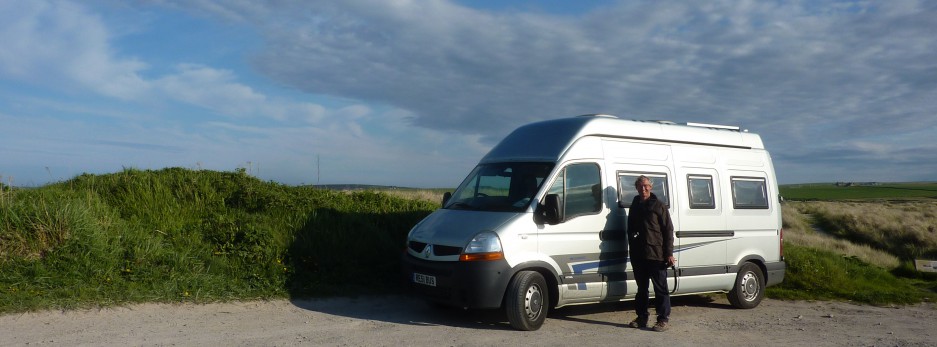
Post 7 Waterfalls, waves and…Waterfalls!

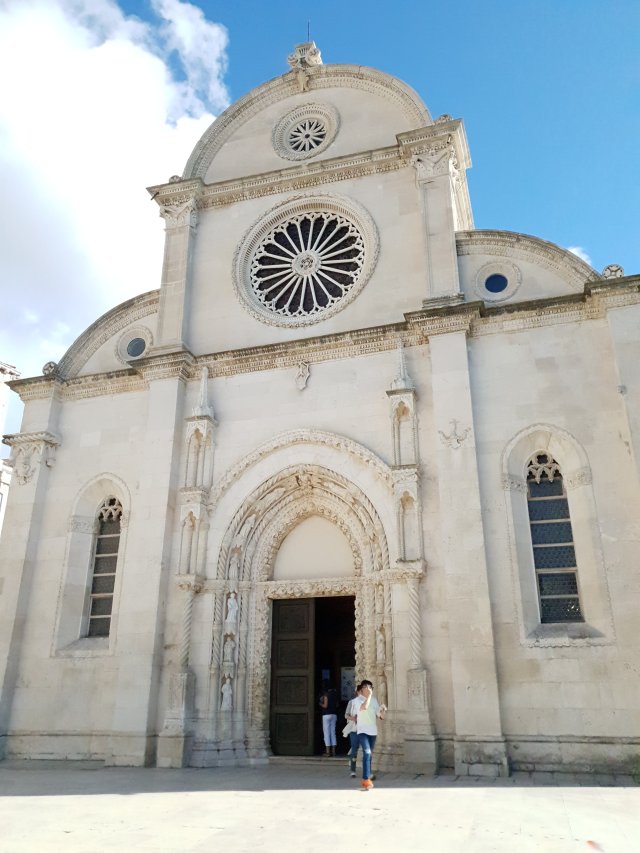
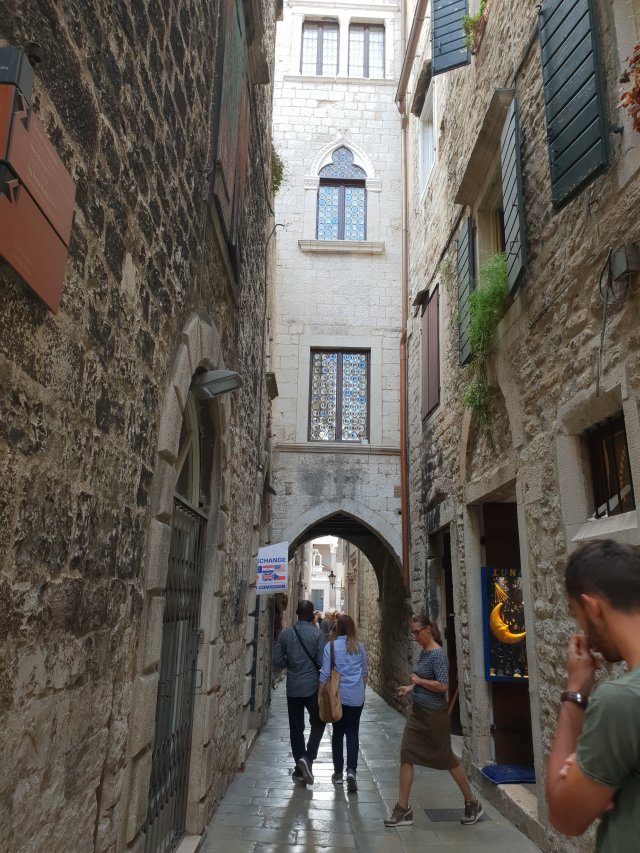
Plus a few other things but I like the alliterative title! Heading north from Trogir, we stopped at the small coastal town of Sibenik. The old town is a warren of Venetian era alleys, stairways and churches.
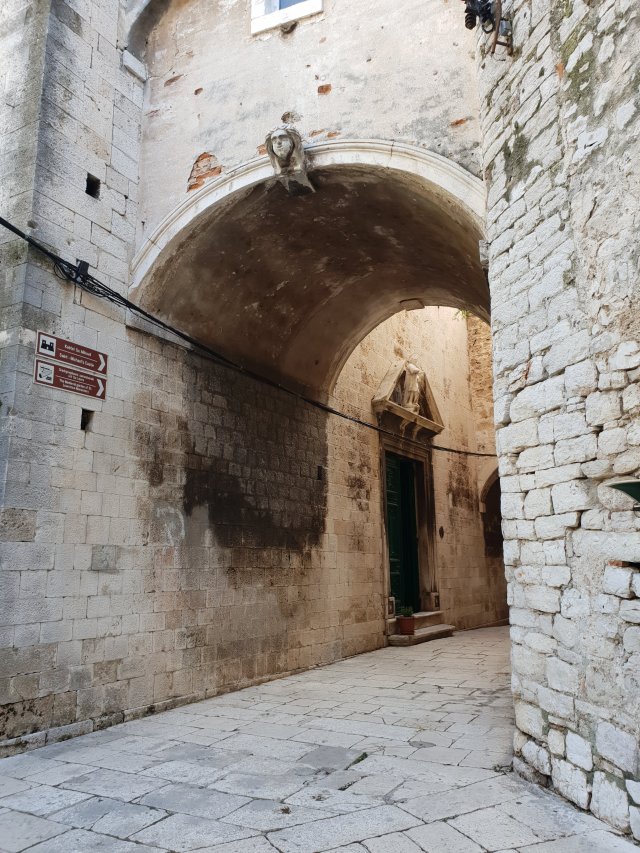
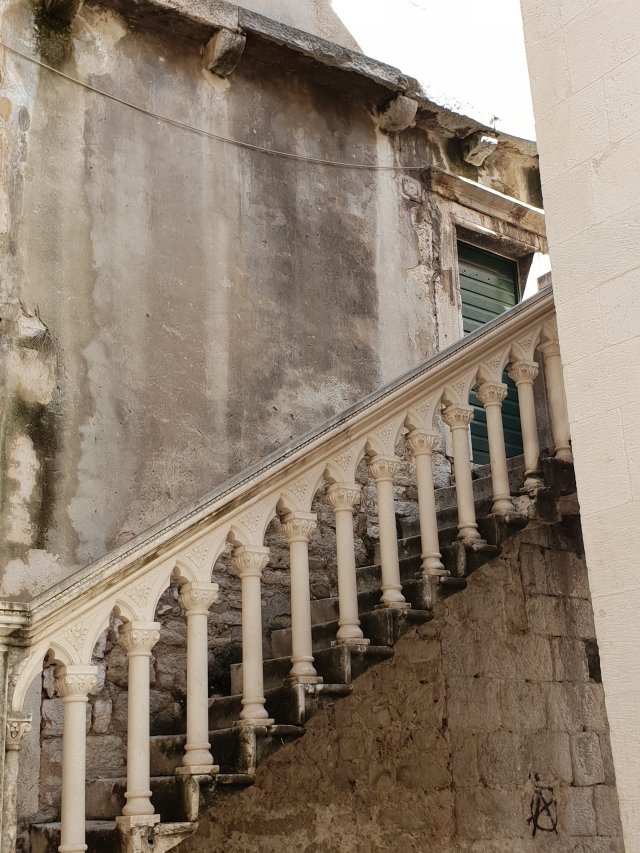
If you could teleport a resident back here from 300 years ago he would probably recognise it immediately. In these towns we love to wander, and it is often the small details that catch my eye. Ancient carvings, or decoration above a doorway, indicating status or family links.
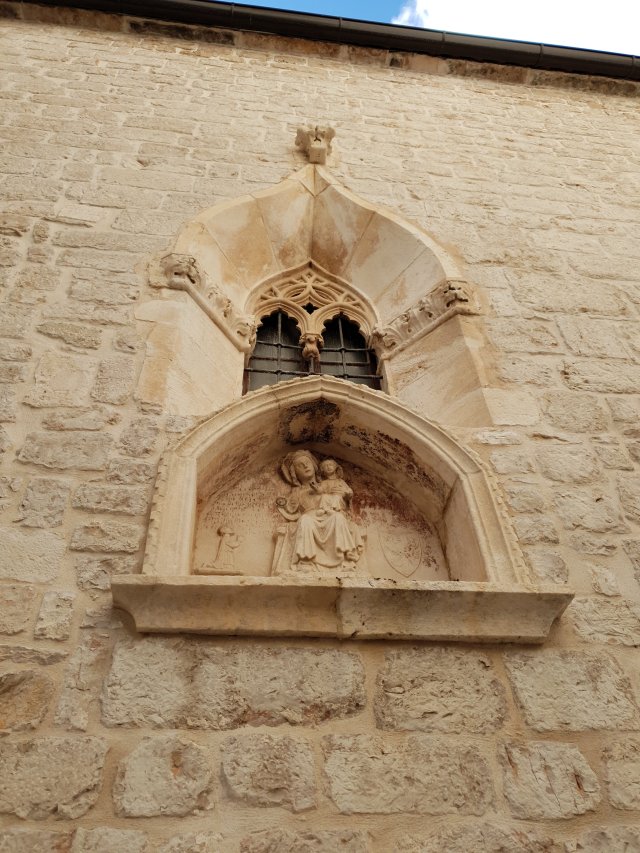
The tiny, kneeling figure is Marko, the town doctor and surgeon, who paid for this window in St Barbara’s church in 1419!
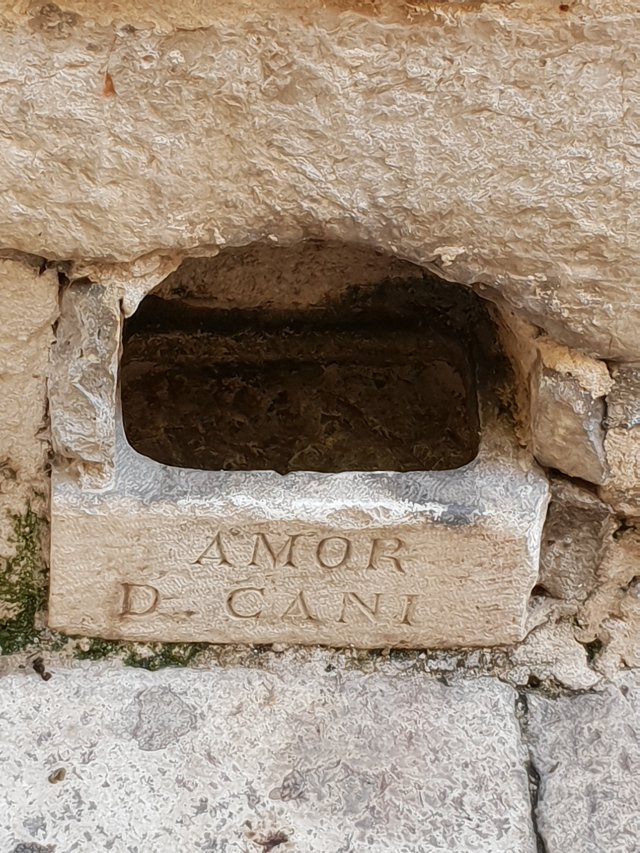
This stone trough at the foot of a wall, was a 14th century water bowl for dogs.

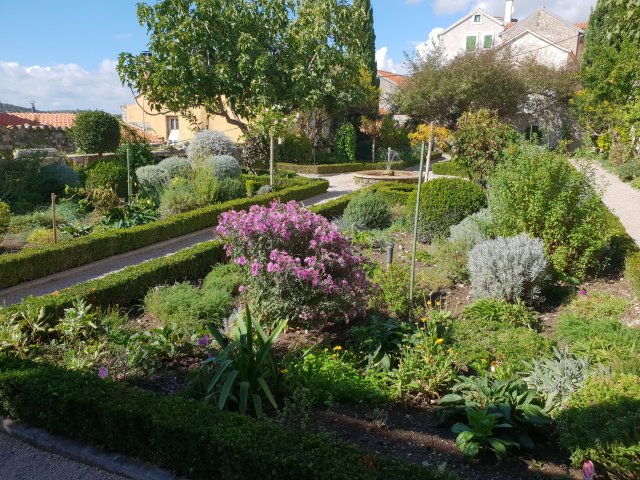
We discovered a 15th century monastery garden with a sweet cafe on the way up to the fortress.
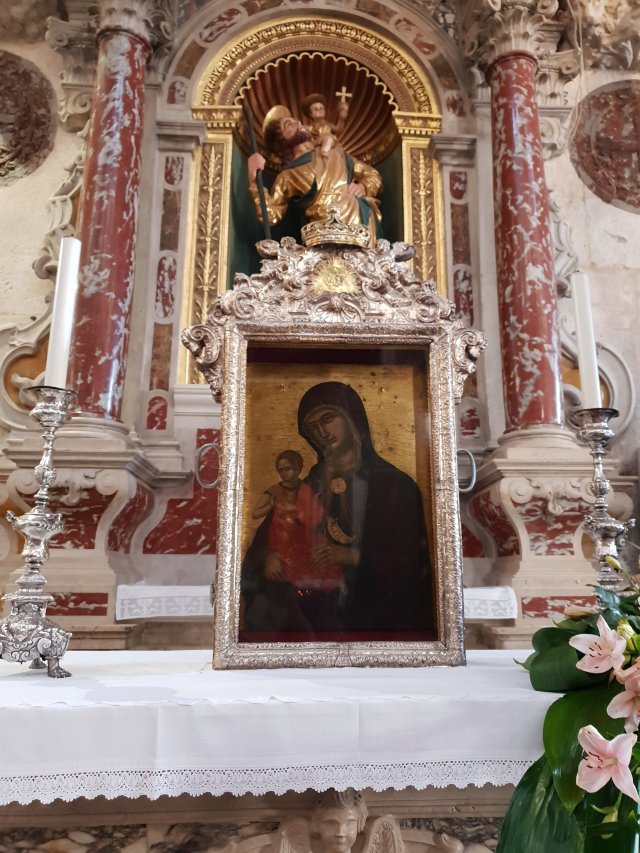
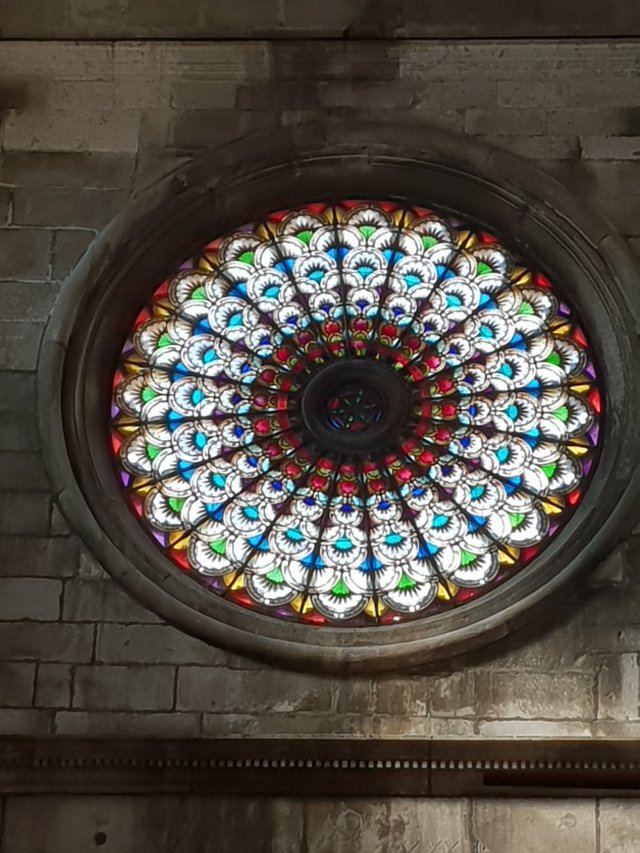
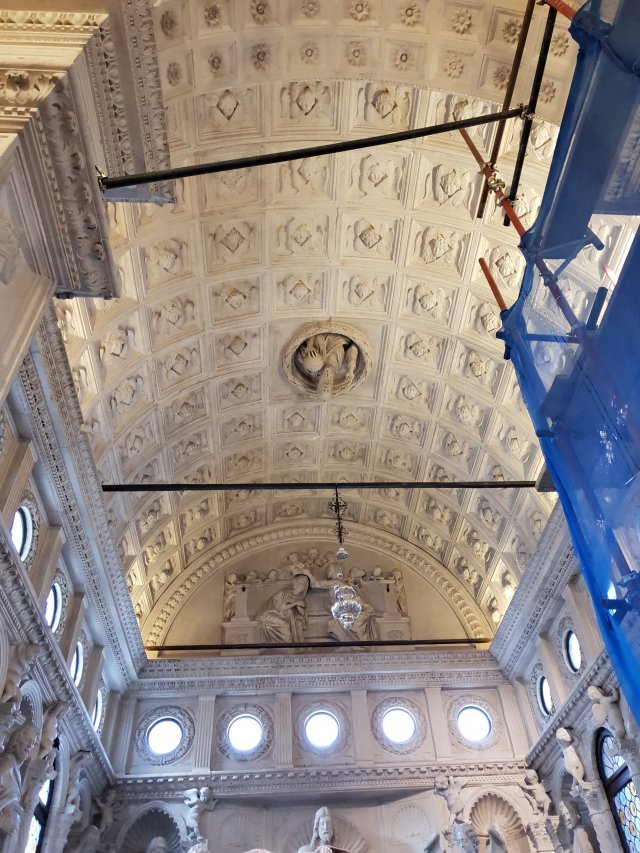
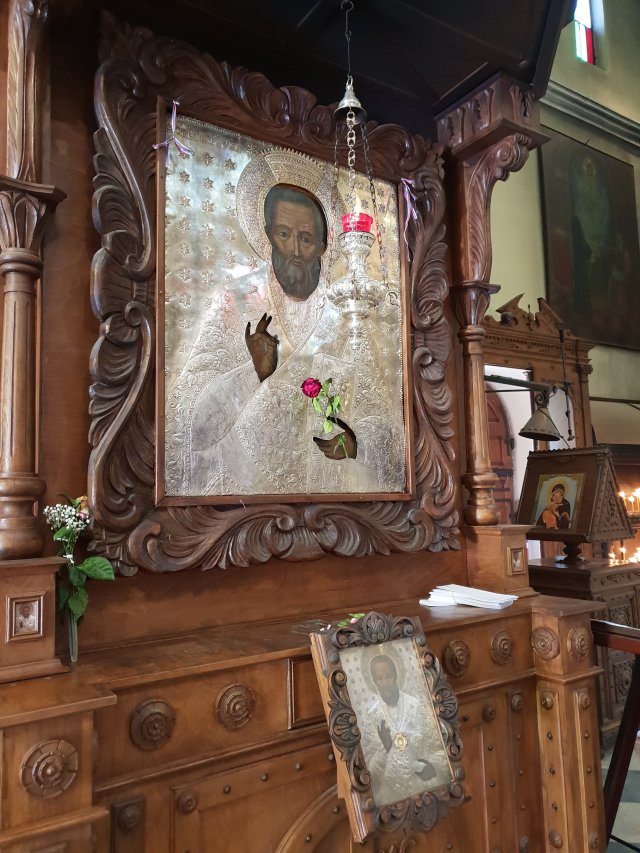
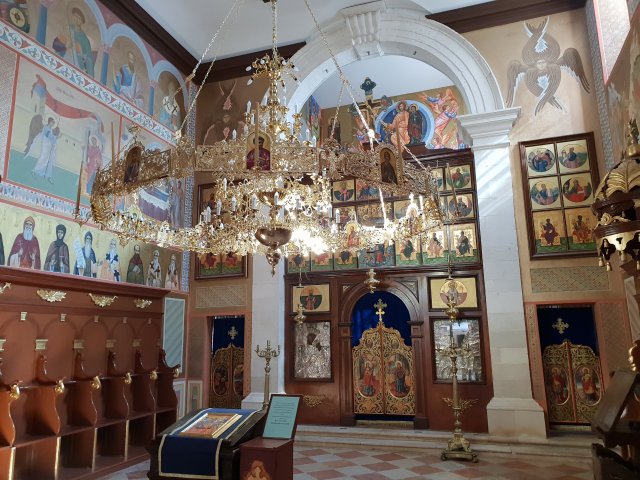
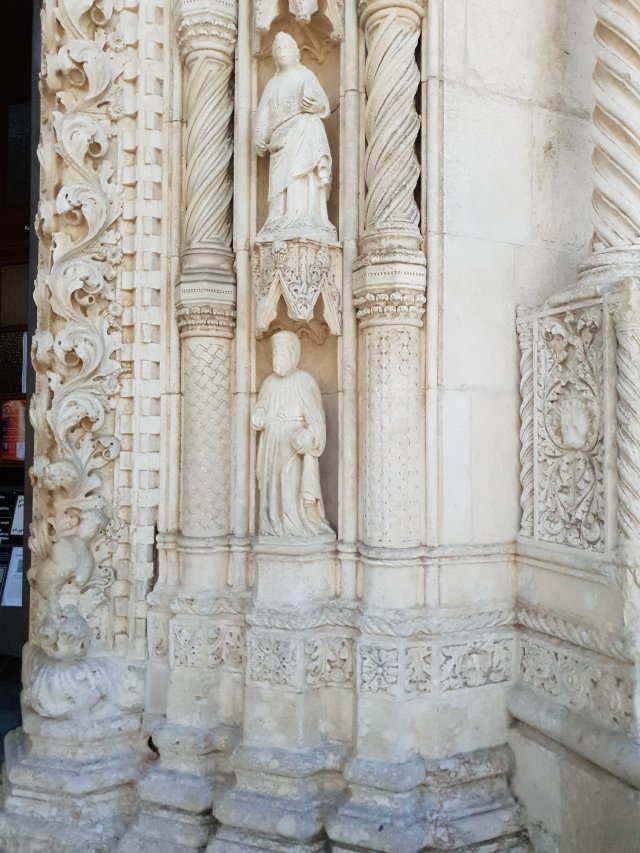
The churches were lovely, especially the eastern orthodox church, and the richly decorated, 13th/14th century cathedral.
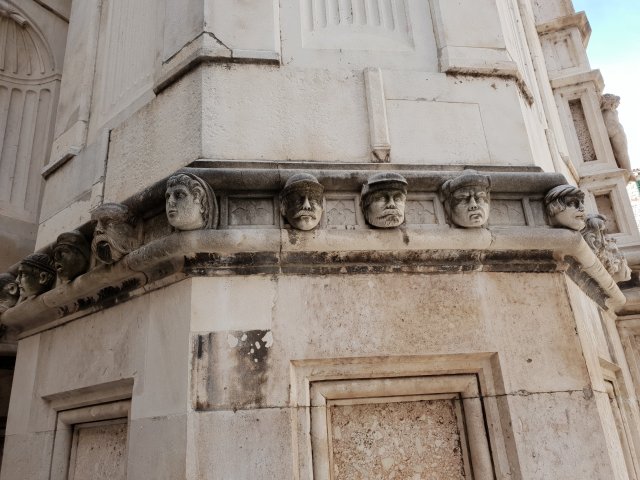
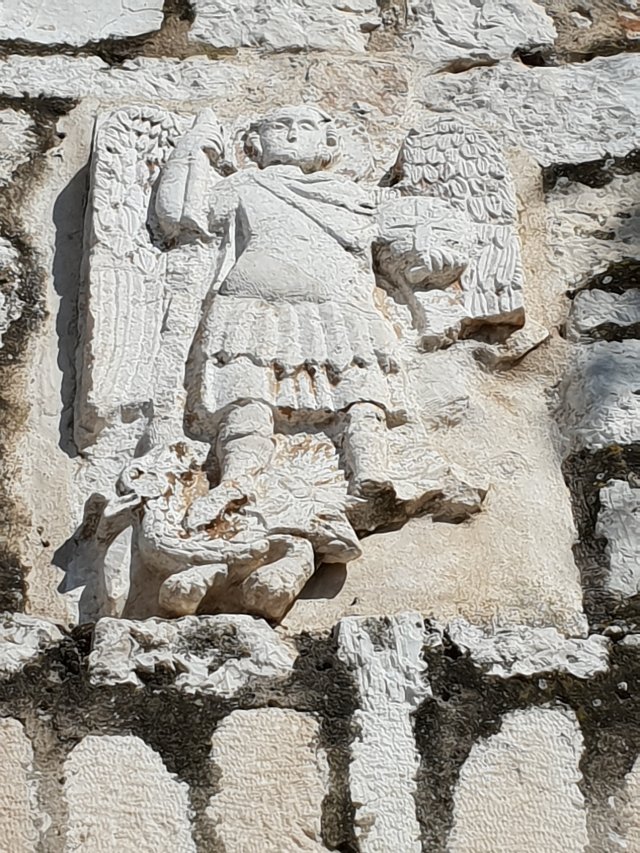
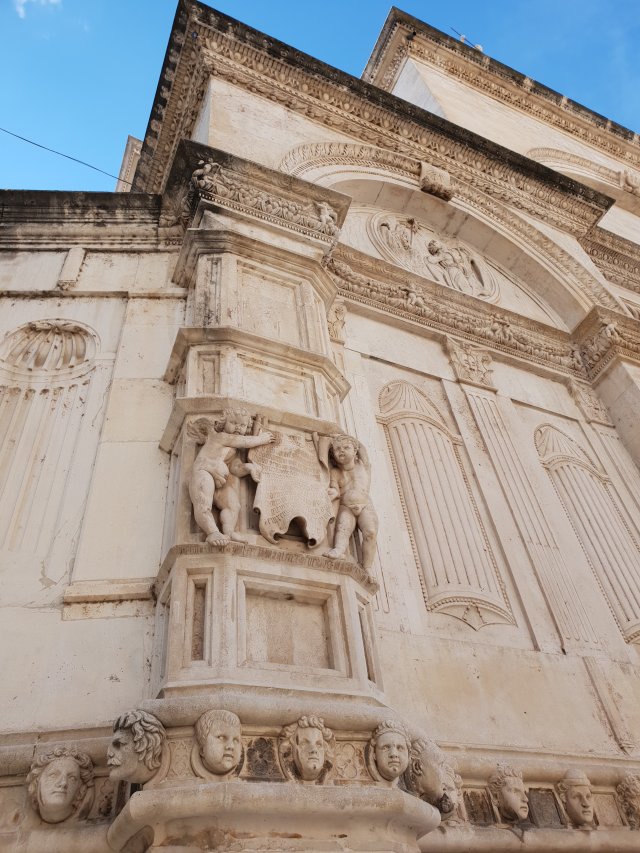
These carved heads date back to the 15th century! Some look so modern!
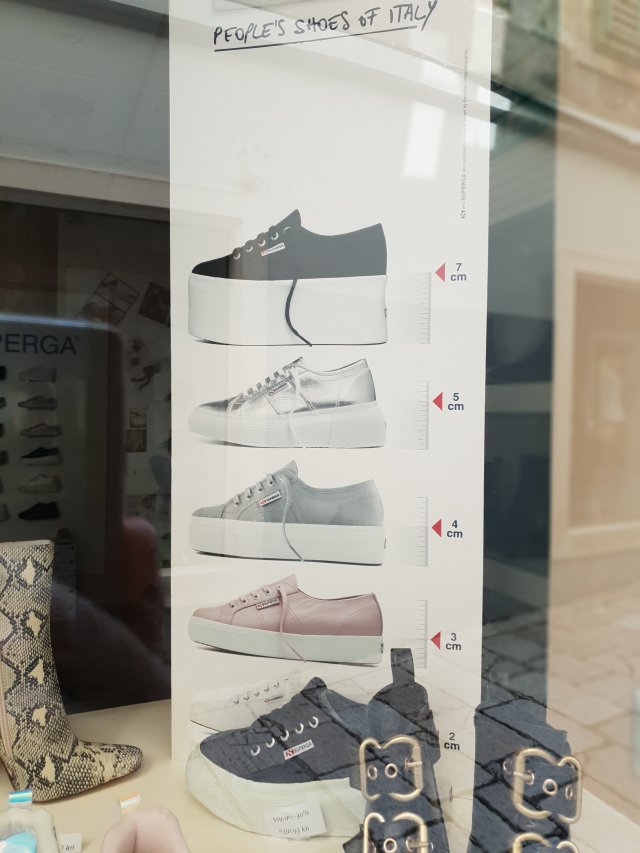
A good, free museum too, and a shoe shop with latest Italian solutions for the shorter lady..
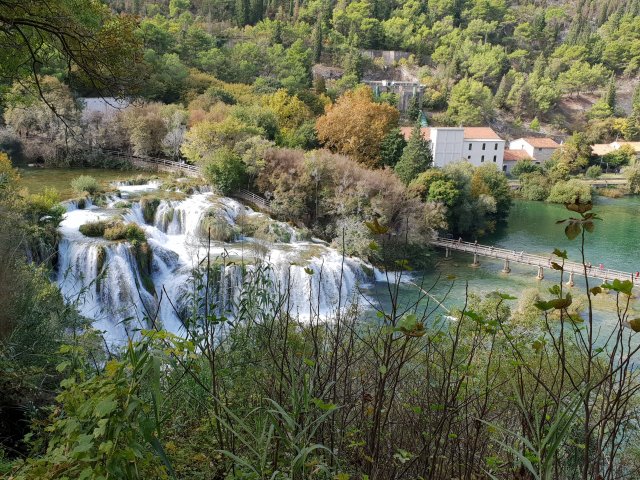
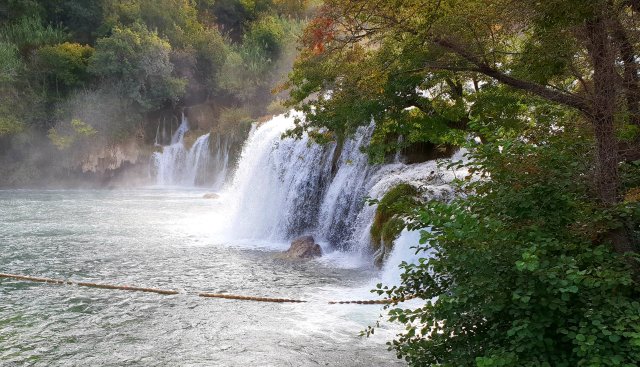
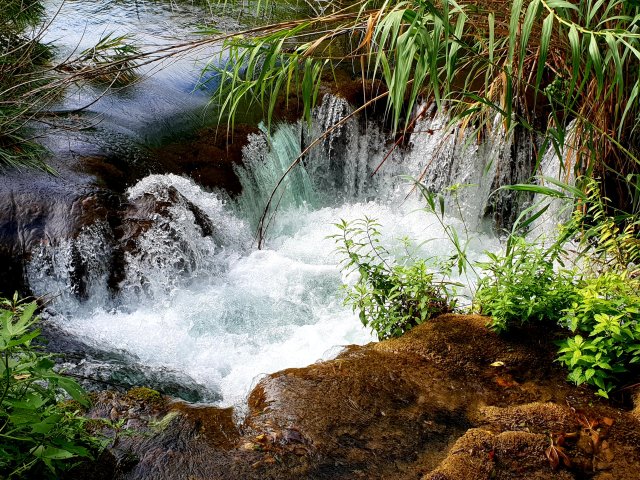
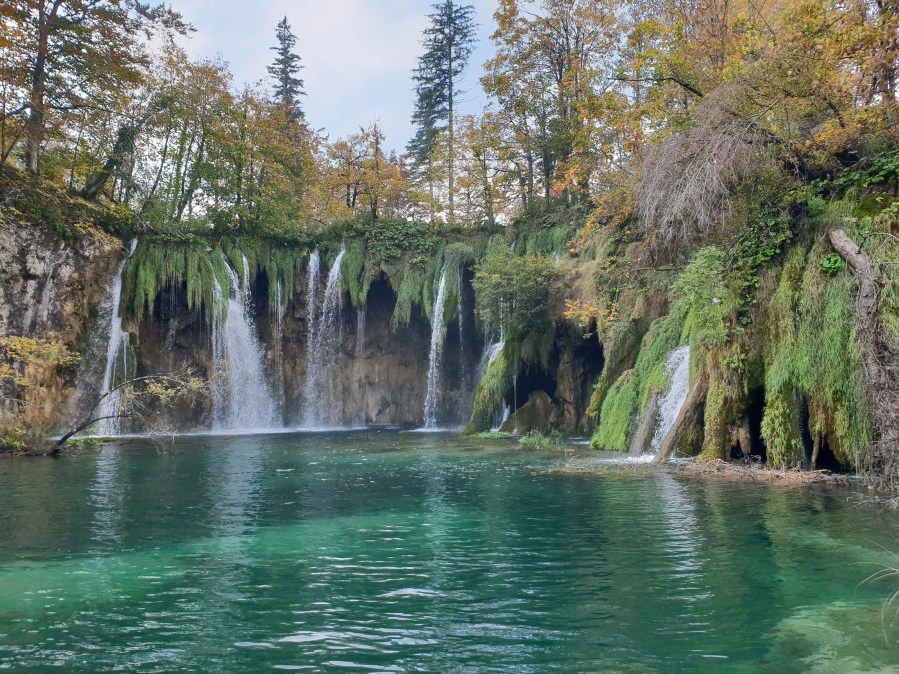
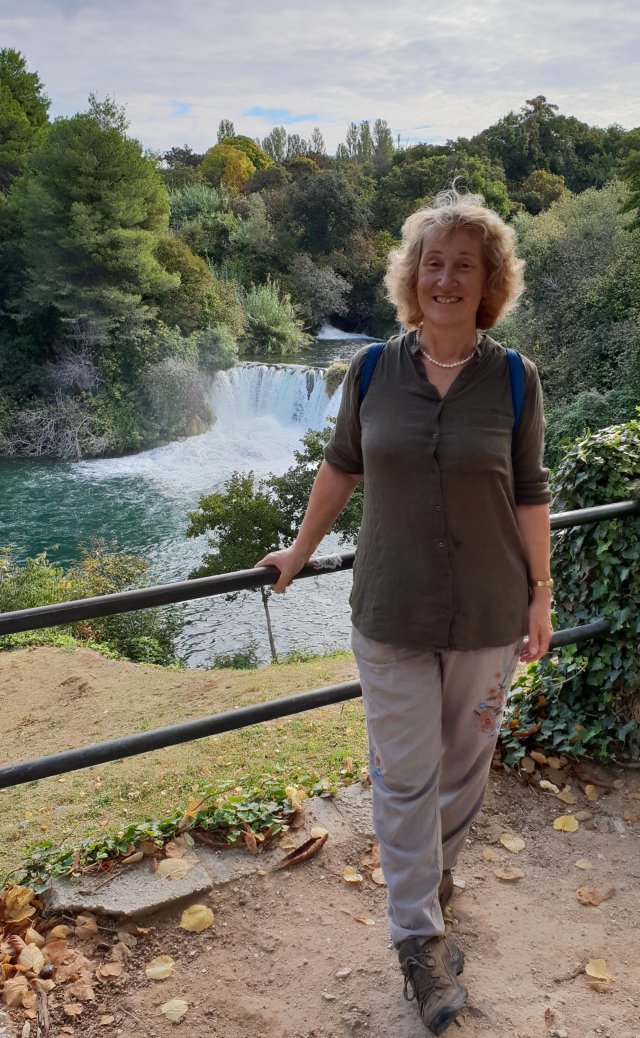
Then we drove back to Skradin, to the sweet autocamp where we stayed a week ago. They remembered us! We were duly presented with a pomegranate because we came back!! An evening walk through the nice village, also revealed some battle scarred buildings at one end of town, as yet unrestored. Our reason for being here is to get an early boat up the river to see the Krka waterfalls before the crowds. We managed it, had a superlong walk, and the pictures speak for themselves.
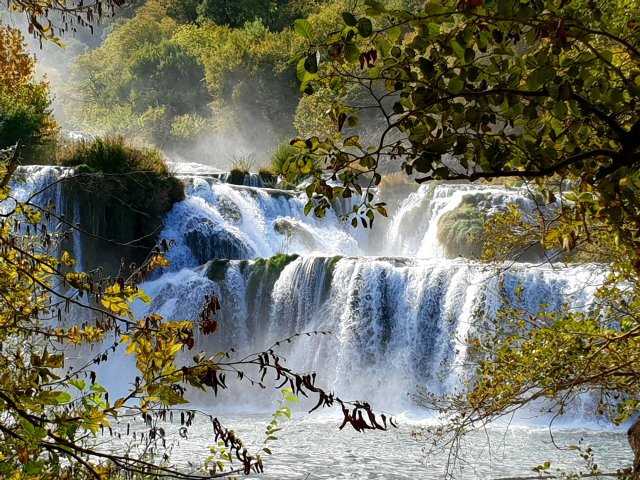
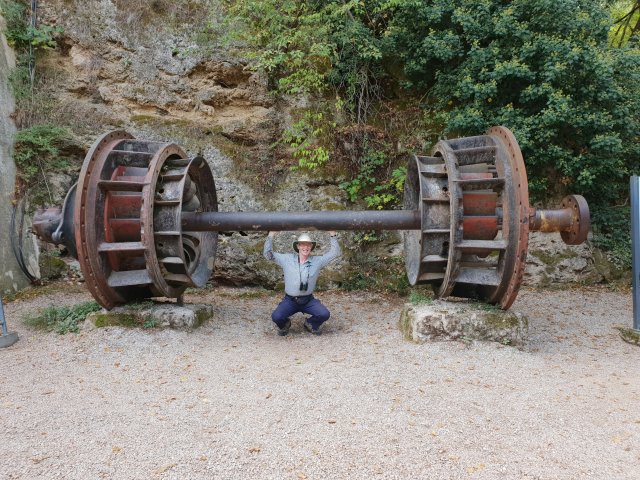
A very early Hydroelectric plant was set up here, under the influence of famed local electrical genius Nikola Tesla, and nearby Sibenik had the first electric street lighting in Europe powered by AC (alternating current).

Chris took the opportunity to do some dead weight lift practice!
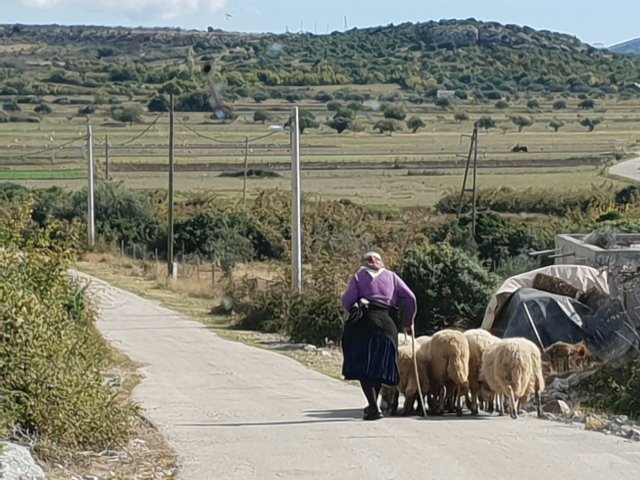
Next we drove to Lake Vrana, the largest natural lake in Croatia, encountering a croatian style traffic jam!
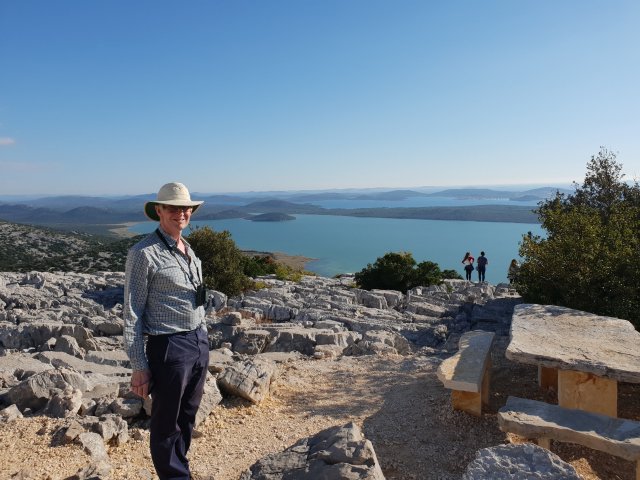
In winter, 100,000 coot call it home. Today, pygmy cormorant, and a stray spoonbill were our best spots. Next, Boris had an adventure, climbing the twisty lane up Mount Kamenjak, for incredible views over the coast and islands.

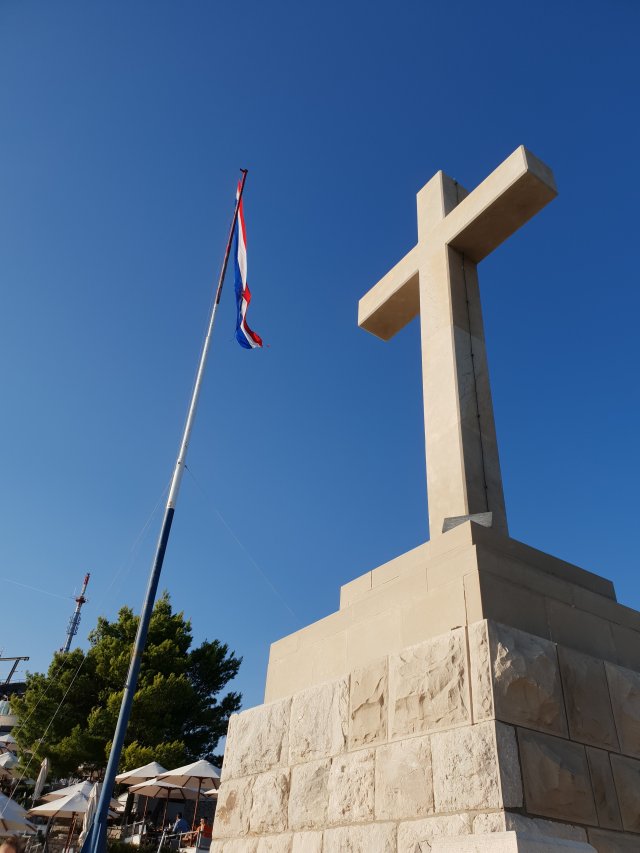
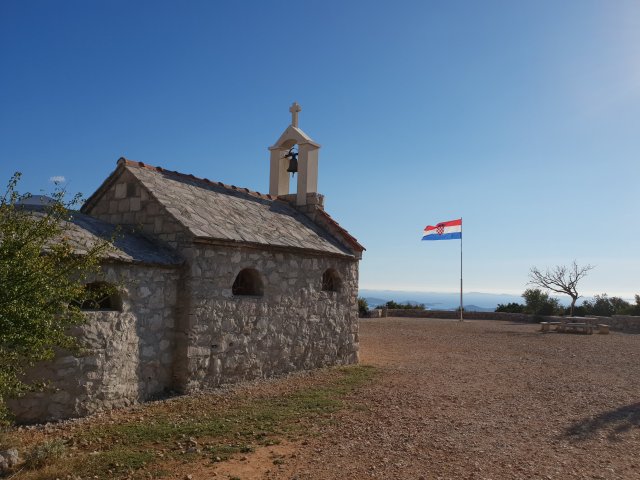
Mixed emotions here. A small chapel commemorates local people who were massacred here in various conflicts, while outside, the flag flew proudly to commemorate Croatian independence day.
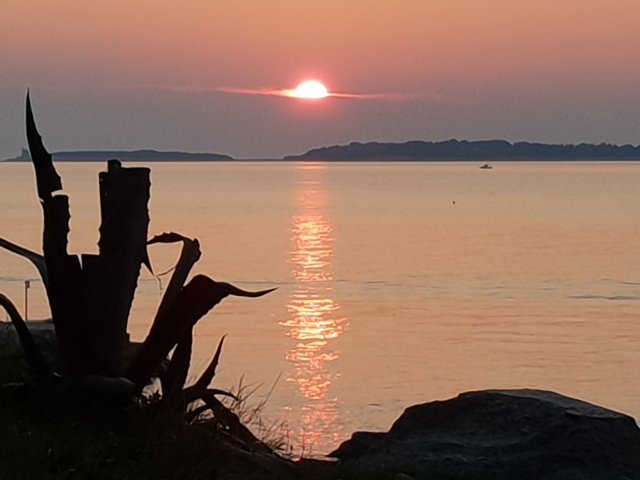
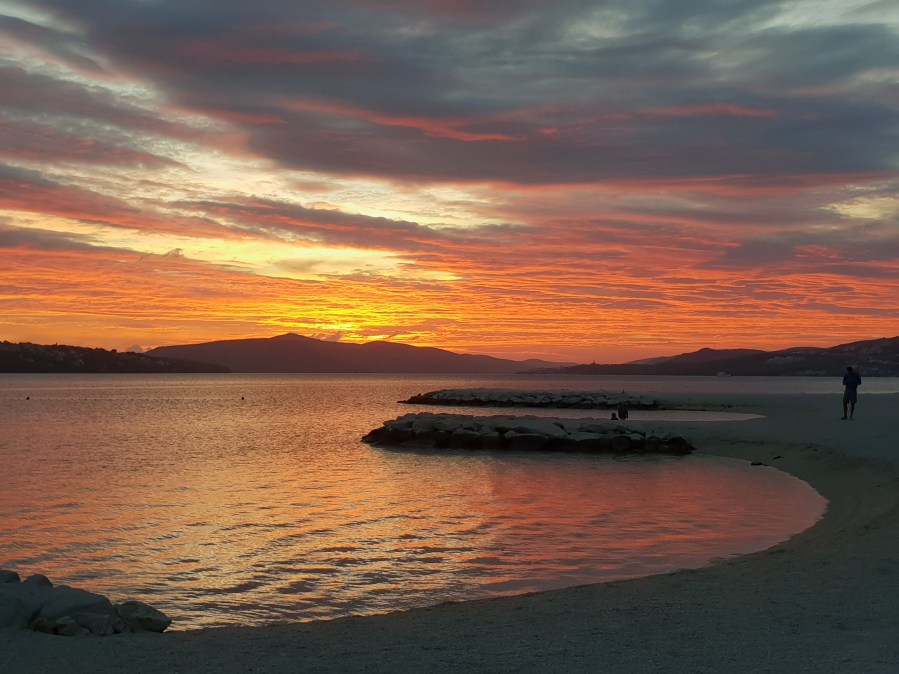
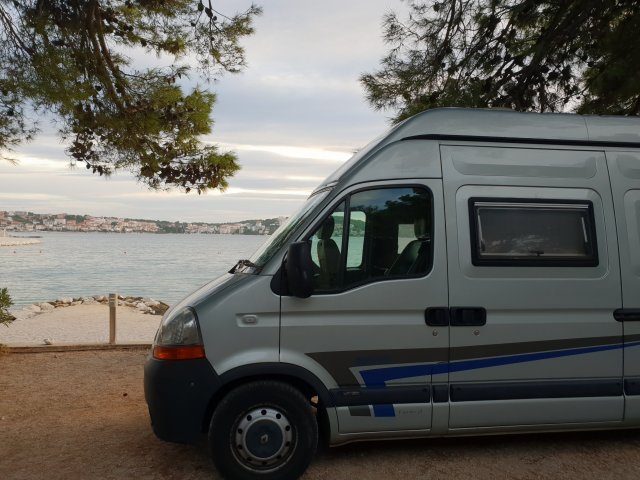
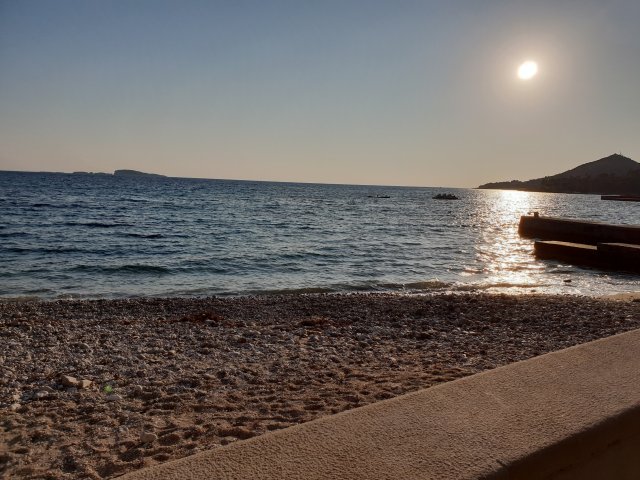
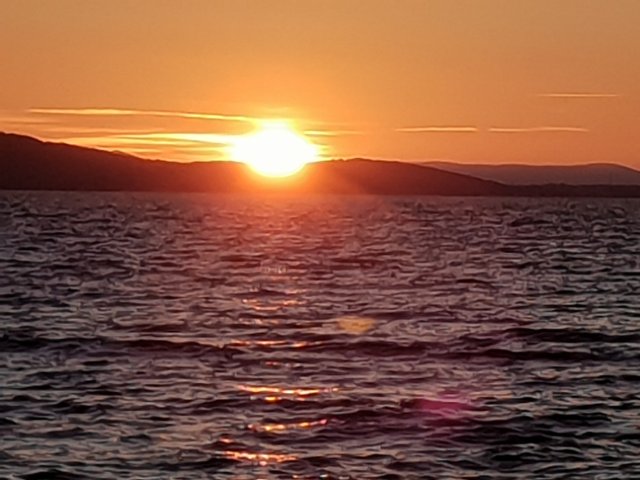
The season is ending here, and many campsites are closing. Wild camping is illegal, but some people do it, using the great app Park4night. We had to resort to this at Zadar, using a former campsite on the waters edge. In fact we had a great sunset, and a peaceful night with the waves lapping a few feet from Boris!
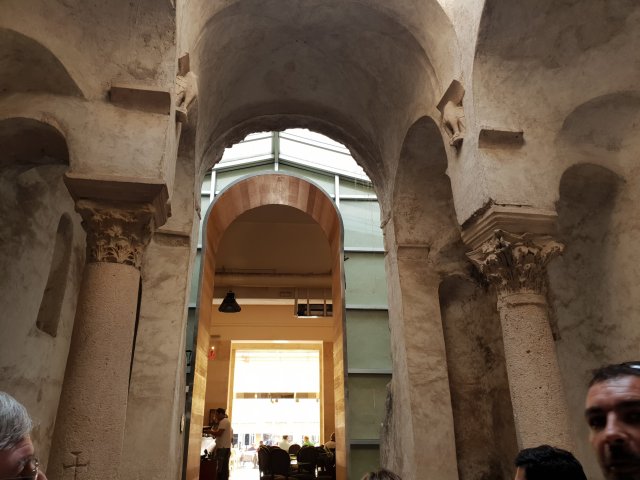
Next day a visit to Zadar, an ancient trading port which had been colonised by Greeks, romans, slavs, Venetians, Hungarans, Austrians. It was heavily attacked in the recent war due to having 5 military bases. Now those same building house schools, university buildings and clinics! One modern restaurant facade hid an early christian church, which in turn had reused roman columns!
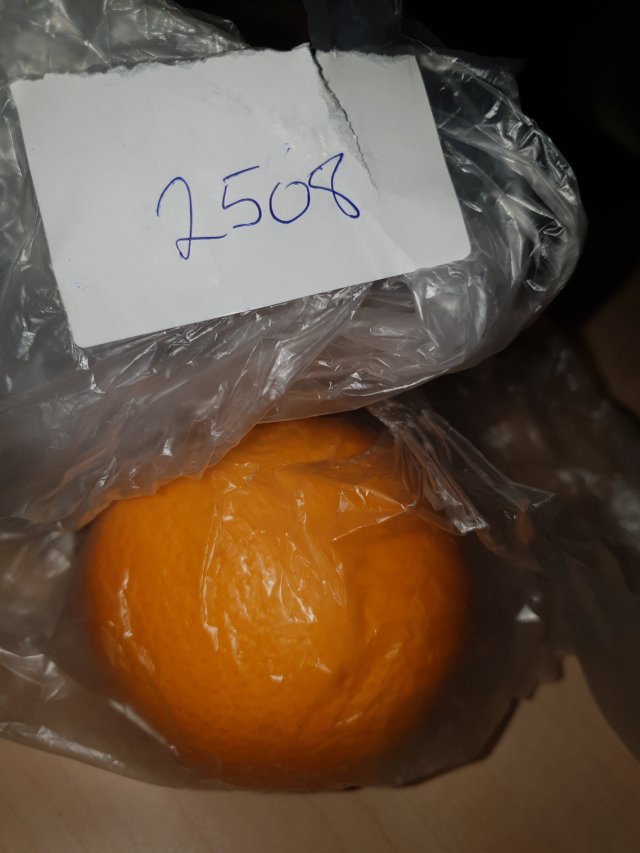
We did some shopping in a very modern supermarket, with an unmodern system for service. I had put 1 cucumber, 1 pepper, 4 tomatoes, 2 apples, 2 bananas, a courgette, an orange and some spring onions in my basket. Suddenly, 2 women came running towards me shouting. Firstly, every item had to go into a plastic bag. Separate bags. I protested at the use of plastic but was firmly told off! Then, one woman ran back and forth to the counters shouting a code number for each item. The other wrote it on a scrap of sticky paper and stuck it on the bag. This then was input at the till. But the lady at the till couldn’t read all the numbers… so she had to call the women over.. who ran back to the veg counter and shouted the number …aaaagh!!
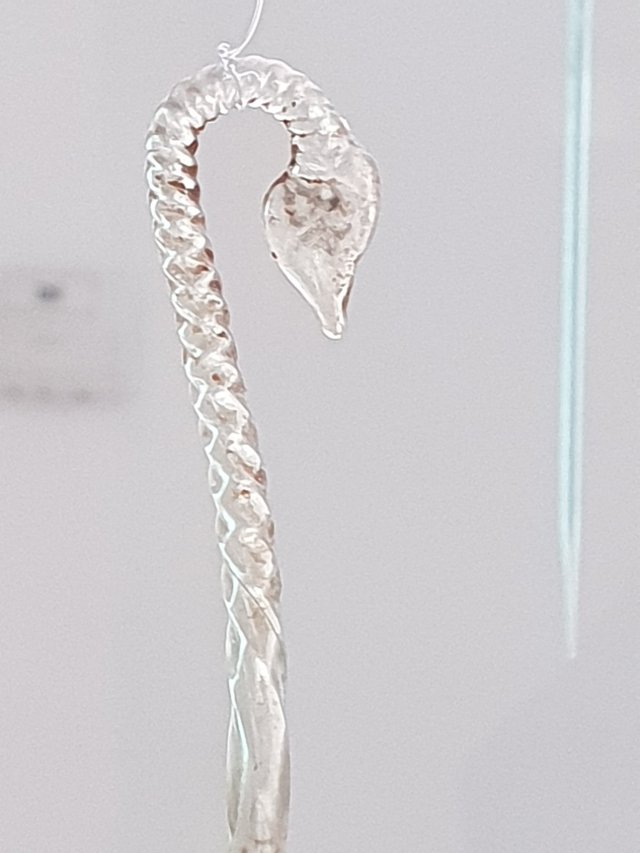
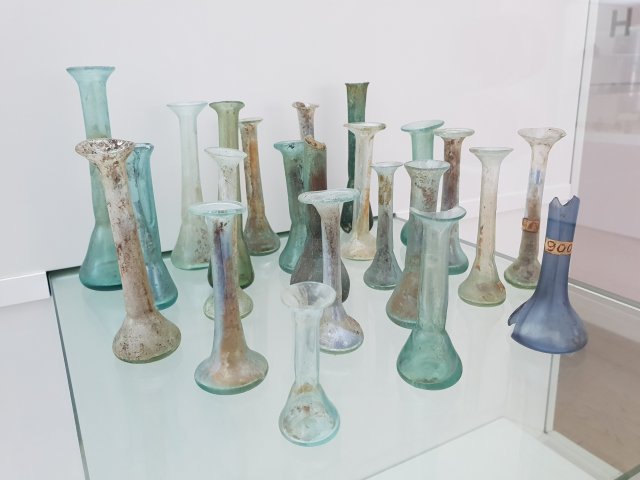
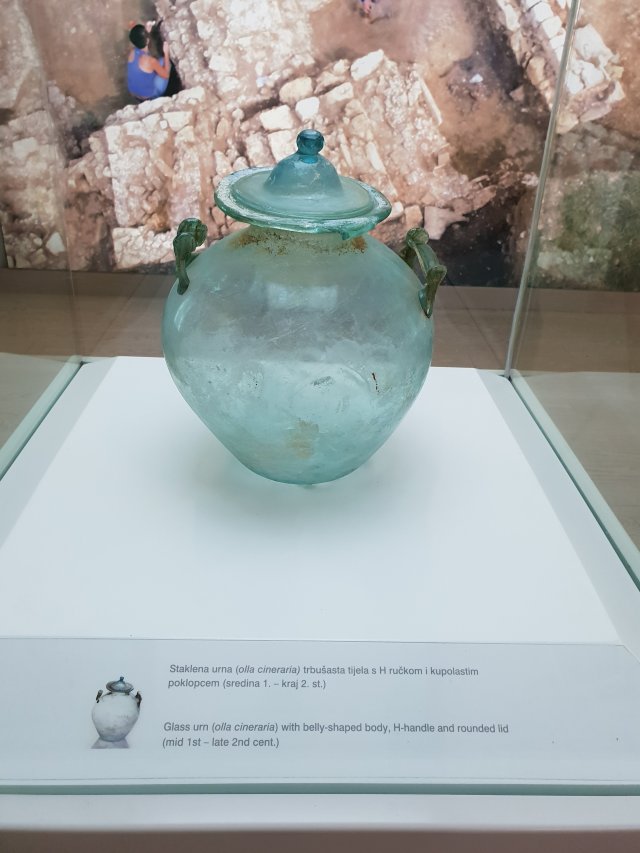
Highlights of Zadar were the remains of the roman forum, and a lovely ancient glass museum. All the locally found glass was between 1800 and 2000 years old! Some undamaged, yet so delicate and ornate.
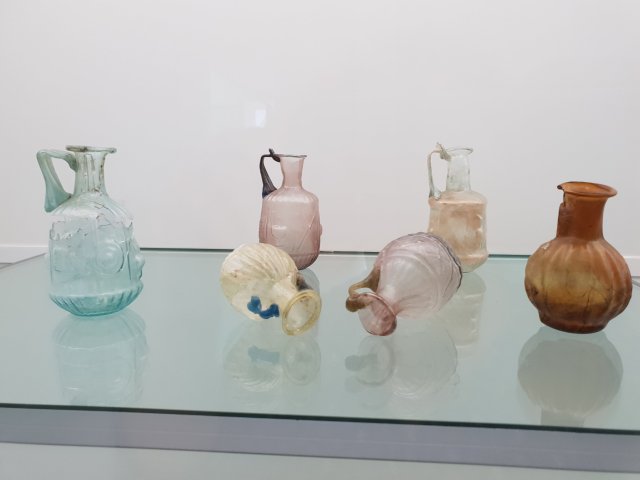
A stunning glass ‘pin’ from 3rd century AD.
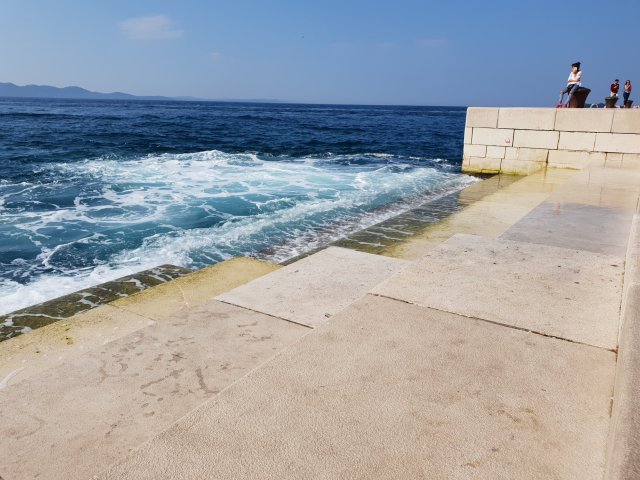
Lastly, the lovely feature of Zadar was it’s new promenade, ending at the sea organ. Huge pipes have been laid on the sea bed. As the waves move in and out they play haunting tunes which constantly alter. Quite mesmerising to sit here and listen.
Next a drive inland, where autumn has arrived! We are heading to Plititze, and another huge waterfall system. We stay at the charming Kamp Bear…becauae bears and wolves live in this region. We are greeted with homemade Schnapps by the owner! Wow..quite a kick.

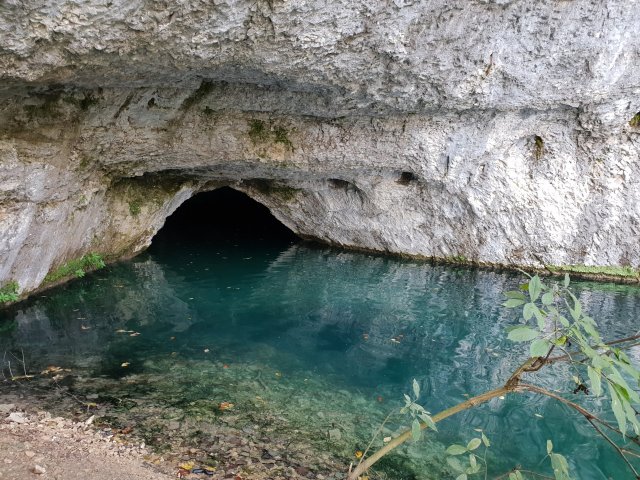
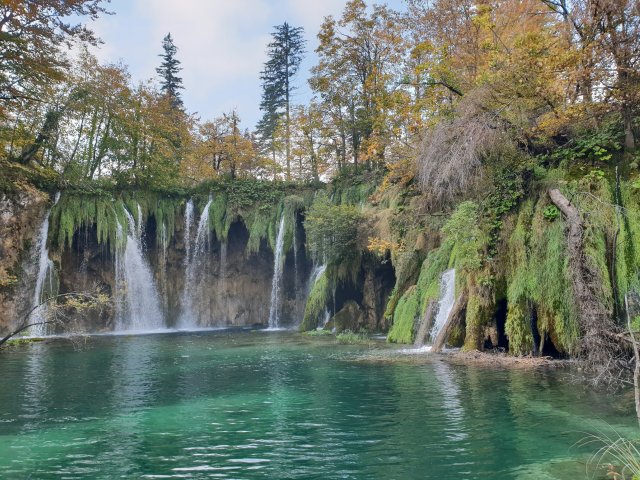
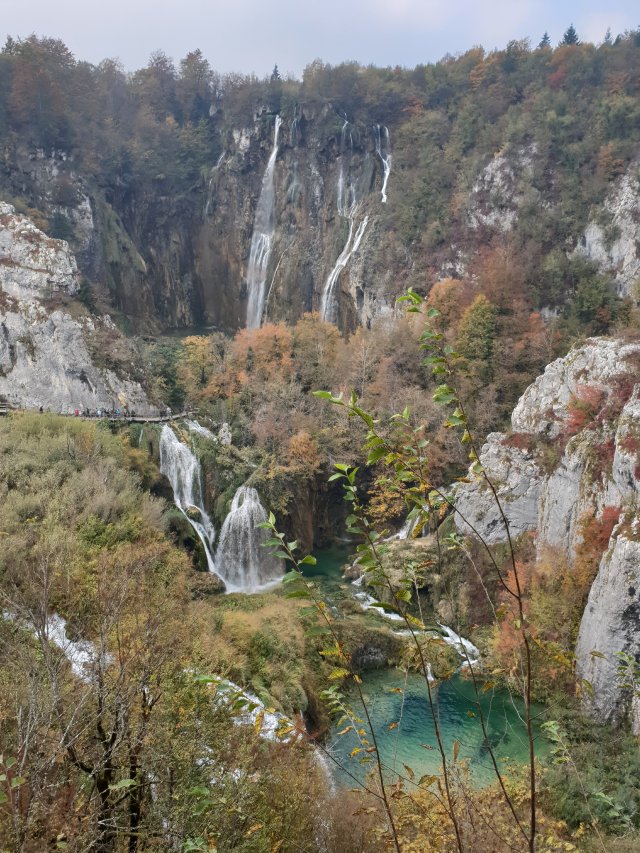
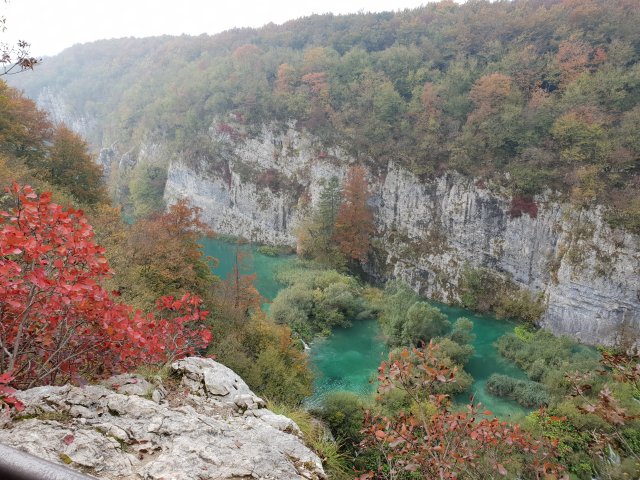
Again, an early start to beat the many tour buses that come here on day trips. It was busy in October… July and August would be hell. We were walking by 8.30 and had much of the first section to ourselves. It is a huge area of 16 lakes with waterfalls cascading down. We took route H which visits most of the lakes, and includes a boat ride down the longest lake. 6 miles in total, all beautiful.
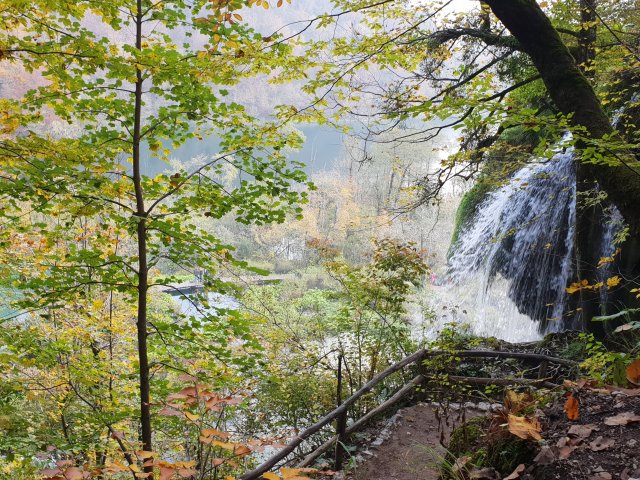
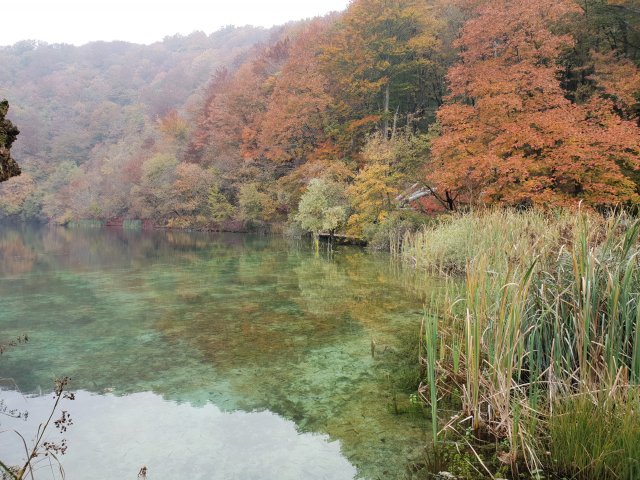
Spot the people to get the scale!
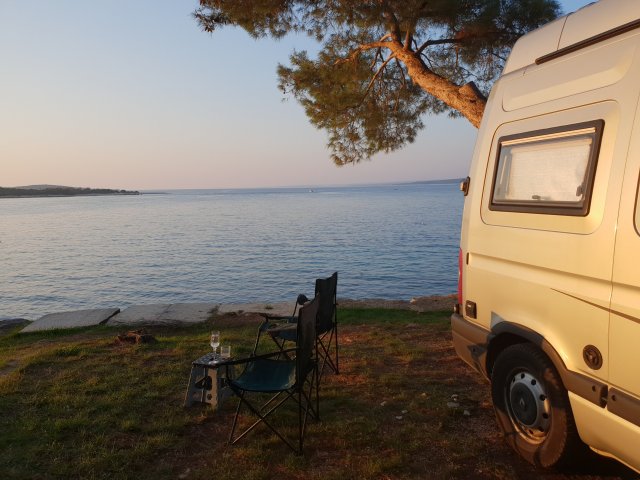
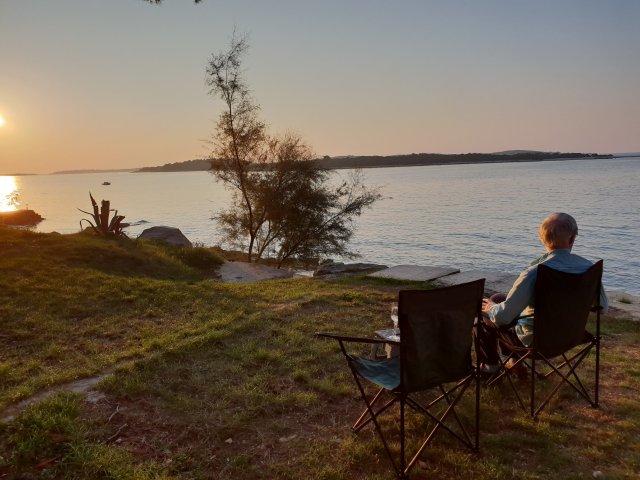
Finally back to the coast to our final part of Croatia, the Istrian peninsula. Again, Boris’ wheels are nearly in the sea. Night night!
Post 6 Heading North… Korcula, Split and Trogir.

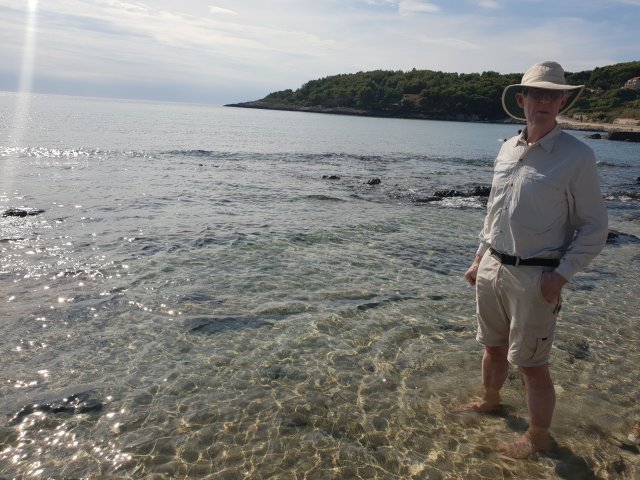
So now we start heading north again, continuing to explore Croatia as we go. (In Chris’ case…test the craft beers!) Another car ferry takes us to Korcula island, and we visit the little beach at Lumbarda, where we get out the chairs (a rarity for us), and read, and paddle!

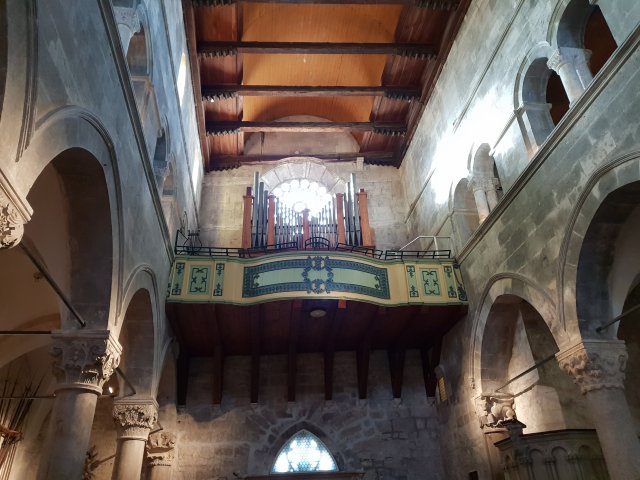
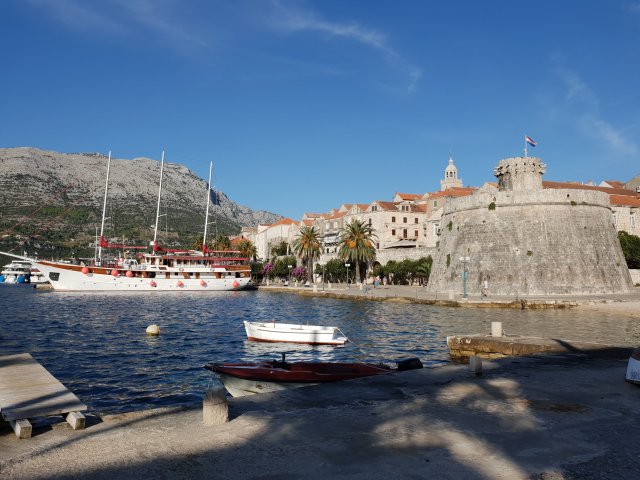
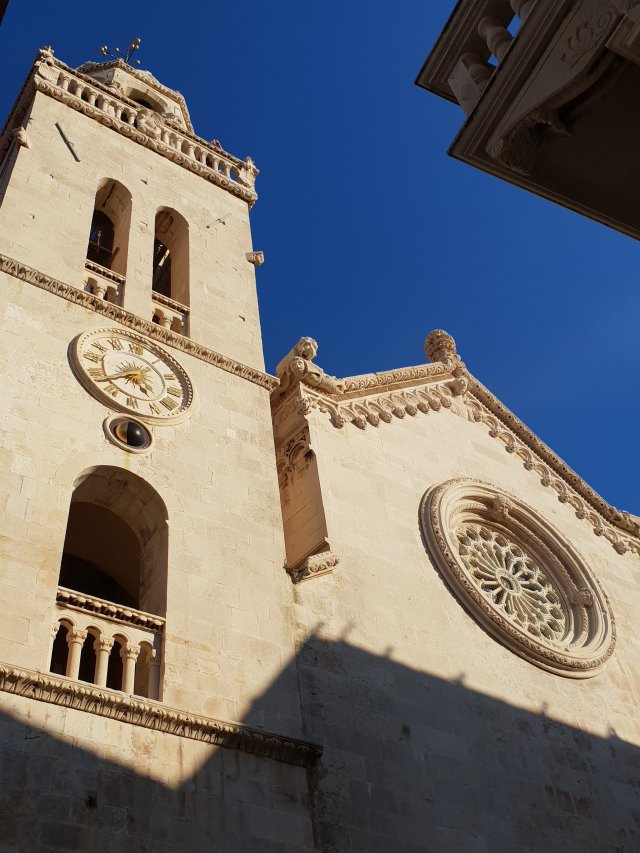
Then to the delightful town of Korcula, a classic mediaeval hill town. Limestone walls, tiny narrow streets and red tiled roofs by a lovely harbour. We look into any open churches, as they all have their own beauty. Sadly, many have firmly locked doors!

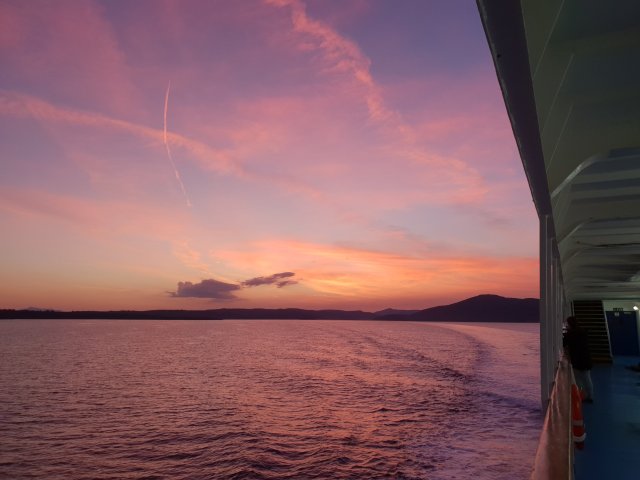
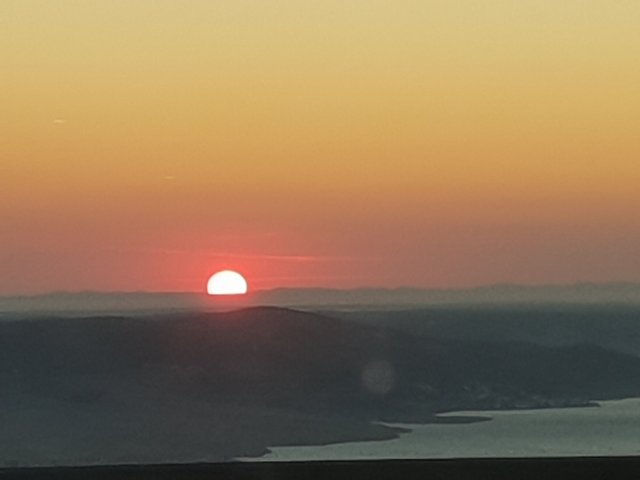
Then a night in an olive grove, before the early ferry to Split, watching the sun rise, as we, and Boris, cruise the Adriatic!!

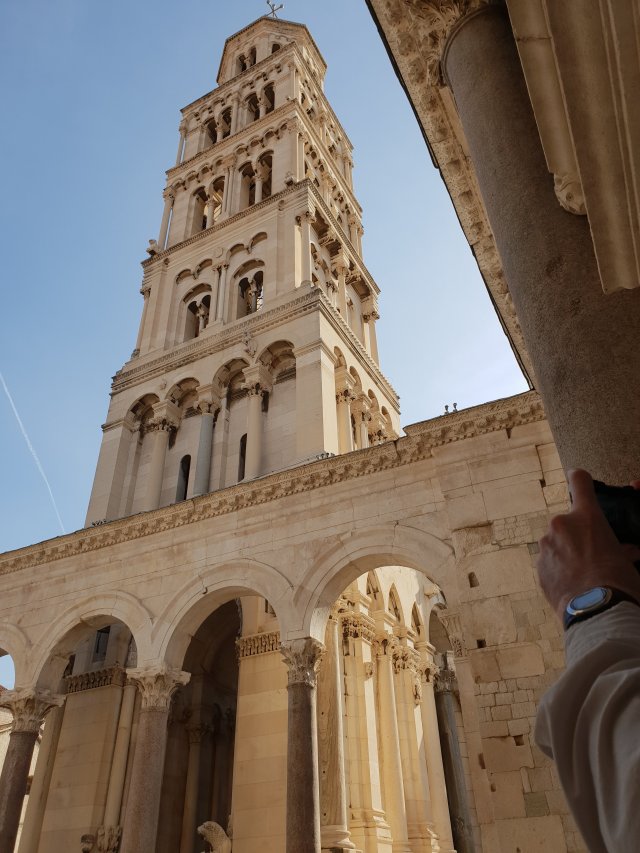
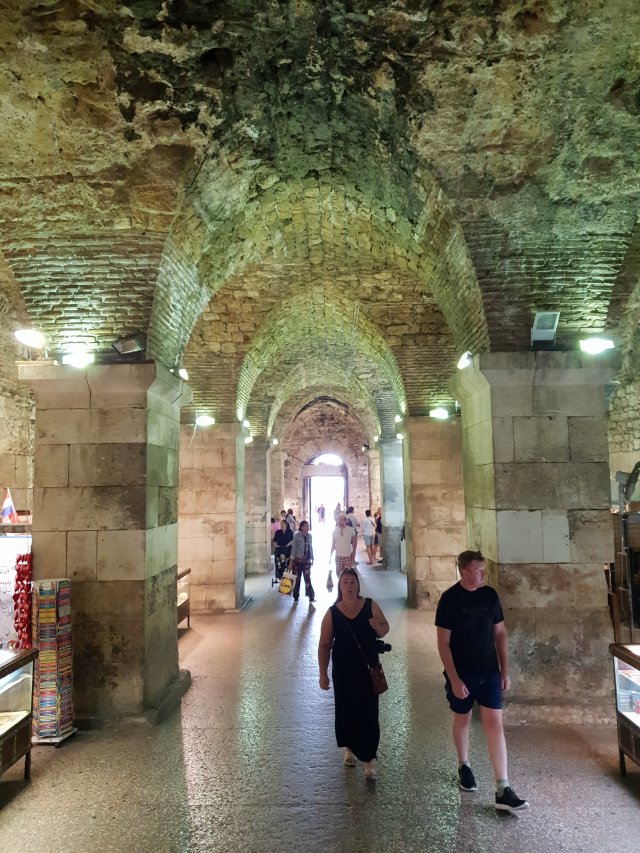
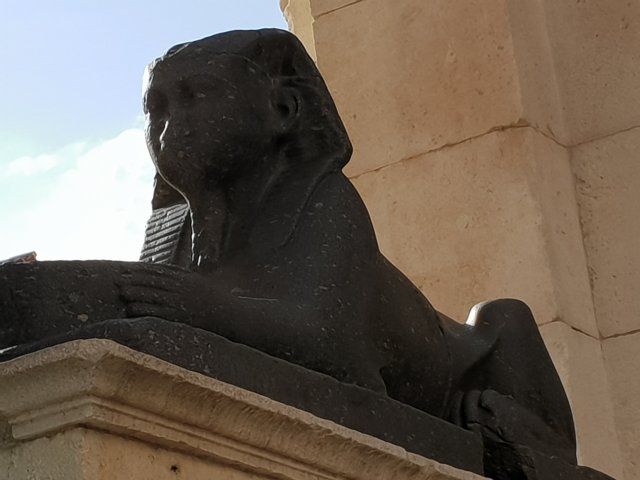
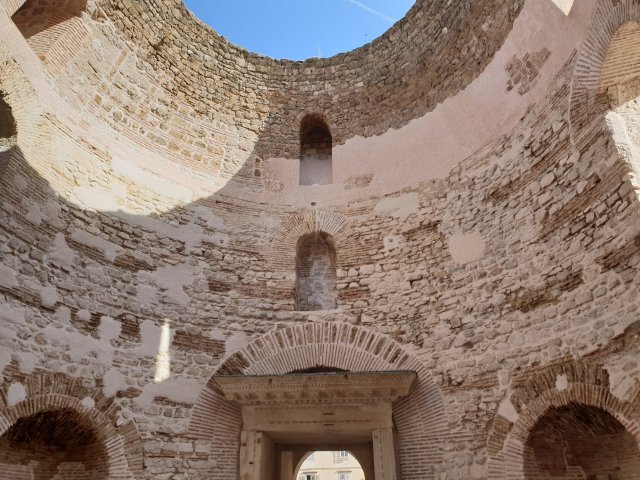
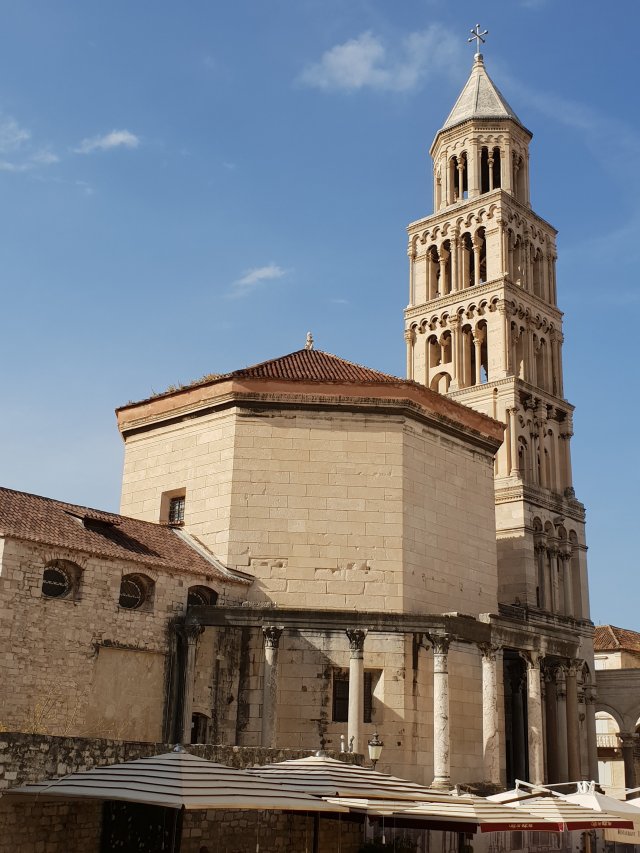
Split is a complete contrast. A bustling city and seaport, with a fascinating centre. The Romans came here, and in 305AD, Emporer Diocletian ordered a vast palace to be built, with an octagonal mausoleum at it’s heart.

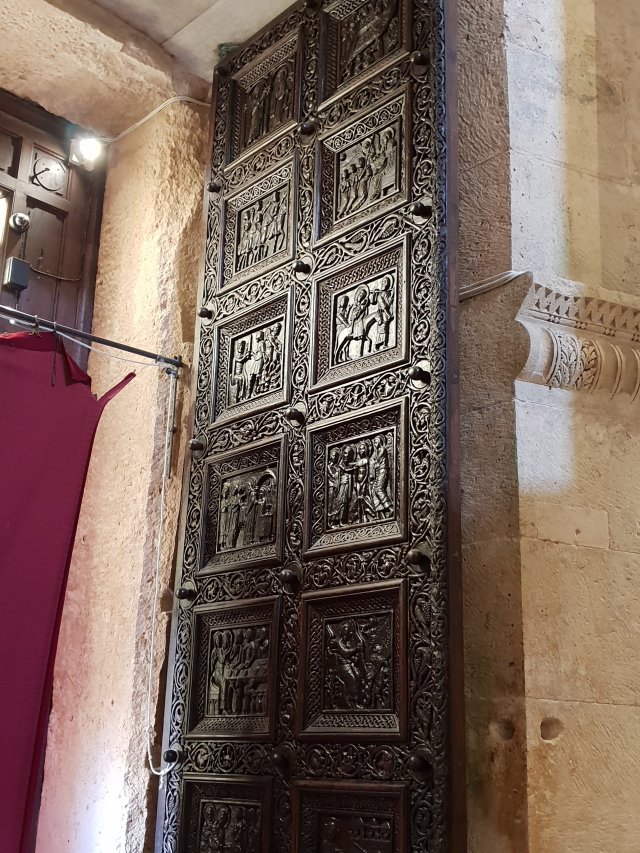
Gorgeous 14th century carved doors.

In 605, freed Christian roman slaves came and revitalised the city as a Christian town. The Venetians and Byzantines added to it, but all keeping the structure of the Roman palace. So we can walk through vaults, see buildings and artefacts that are 1700 years old, bound up with baroque architecture, or a modern museum.

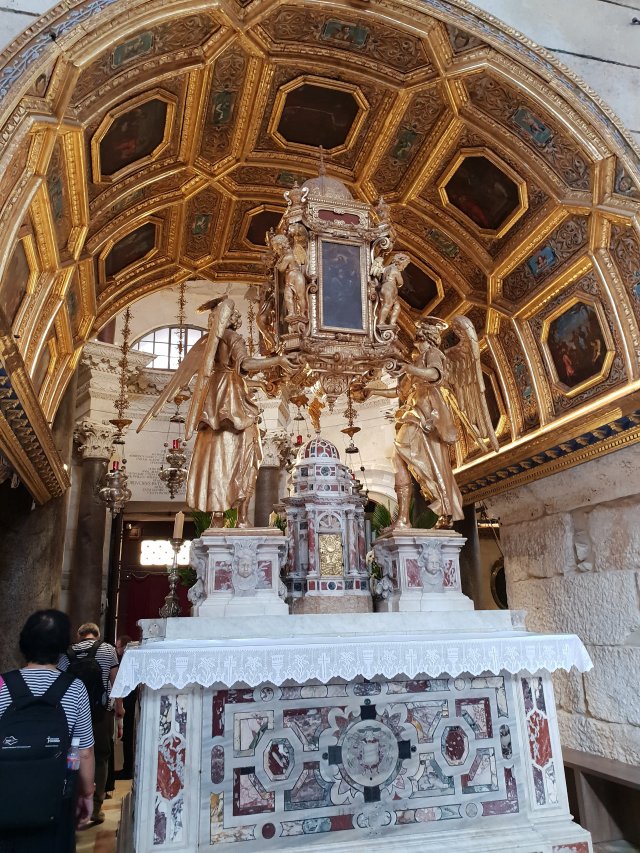
The Cathedral is inside the octagonal mausoleum.

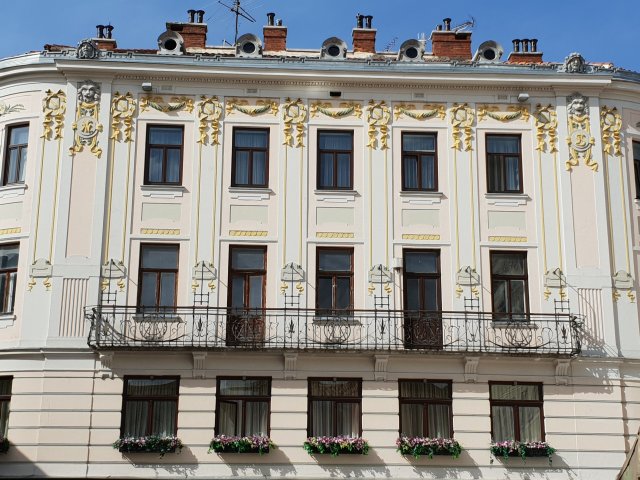
Suddenly an art nouveau building will pop up, another reminder of the centuries of new life breathed into this city.

Next onto Trogir, a Venetian town, used as Qarth in the Game of Thrones filming recently. A stunning town.

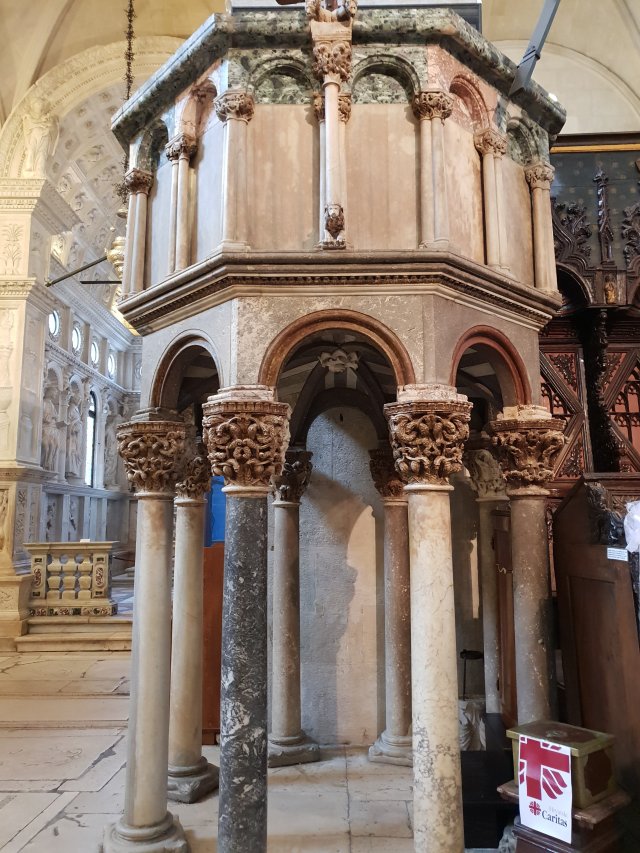
14th century marble pulpit.

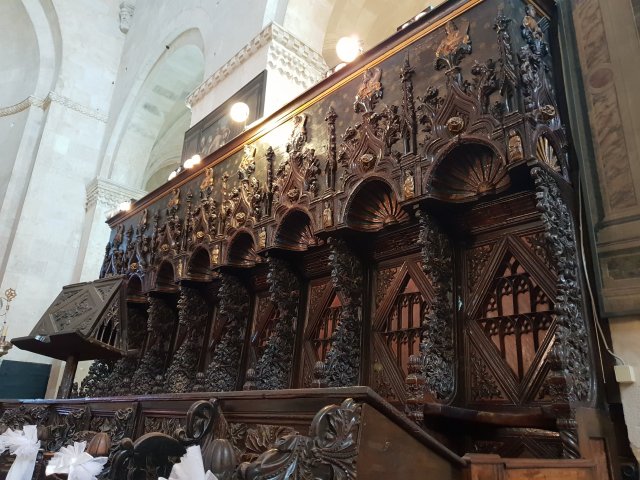
14th century wood carving.

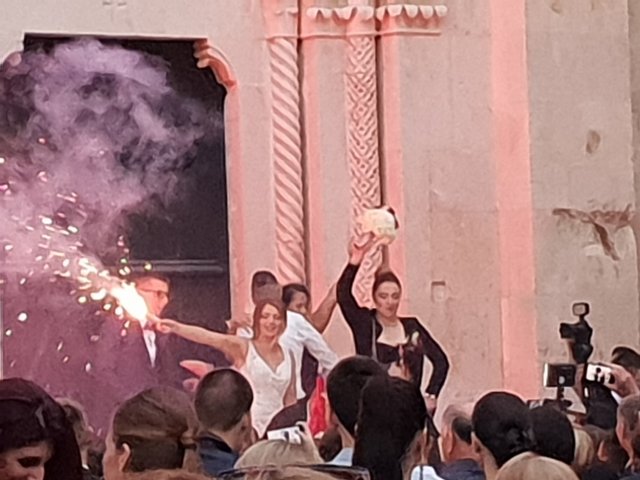
Golden limestone walls, a fortress and numerous beautiful churches and Palazzos. Here we saw several Weddings. Immediately after the church services, everyone poured into the square. Traditional music was played. Everyone sang , Croatian flags were waved and fireworks let off!

There were tiny churches everywhere, and the town square had a beautiful Loggia, which would have been the town meeting place.

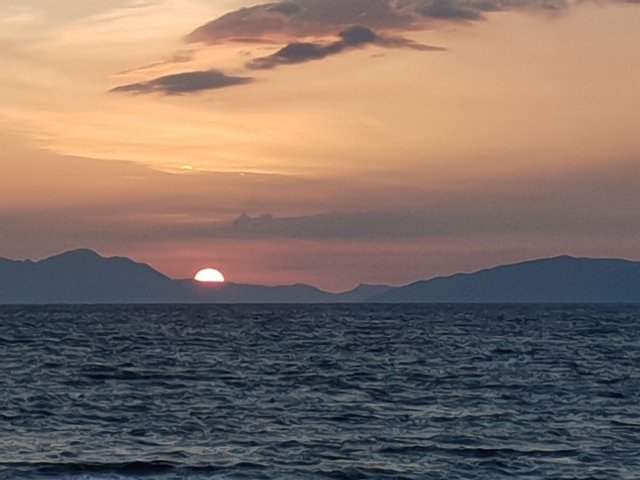
Camping Rozak is lovely. We are right by the beach, and the evening sunset was breathtaking.

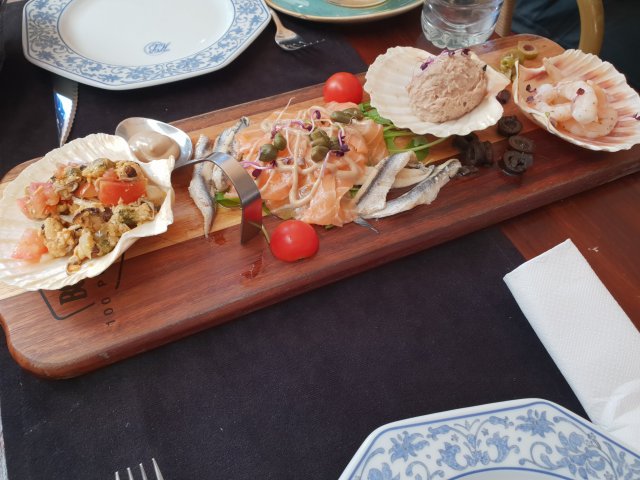
However, thunderstorms overnight, and a rainy morning presented the perfect opportunity for housekeeping! Laundry, and changing the bedlinen must be done. We even caught up with admin, and played some games! Back into Trogir, for a super dinner, tucked in a quaint courtyard. The fish is excellent, especially the Carpacccio of Swordfish!

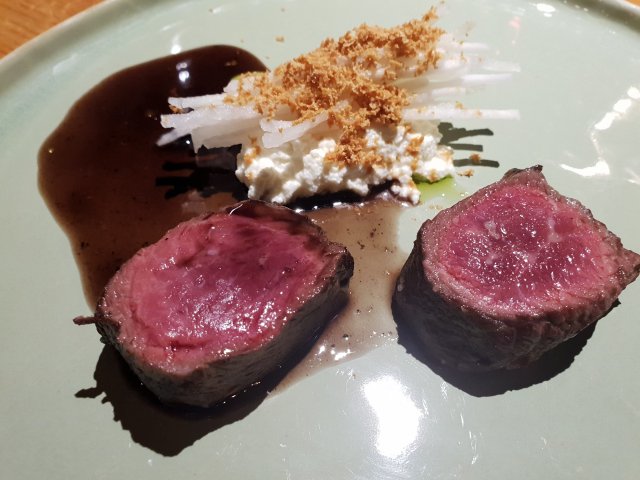
Chris had a local meat dish, braised in red wine with mountain herbs. Yum!

Post 5 A tale of two countries. Bosnia and Hertzgovina, and Montenegro.

Our motor insurance would not cover us to drive in either Bosnia and Herzegovina, or Montenegro. So we used 2 excellent tour companies based in Dubrovnik, Select Dubrovnik and Amico, to do day tours to each one. We were so glad that we did this.

However it meant we stayed on Camping Kate for 4 nights, and were there in an all night thunderstorm of epic proportions. The rain sounded as if teams of people were chucking buckets of pebbles at the van roof. The thunder was incessant. This is a map of the lightening strikes!

Chris slept through it all! Apparently it is the most rain Dubrovnik has ever had in 24 hours. There were flash floods and we saw small landslips!

We headed for our pick up above the campsite in pouring rain, togged in full waterproofs for our trip to Bosnia and Herzegovina. Within an hour the sun came out! The day started with a visit to the beautiful Kravice waterfalls.

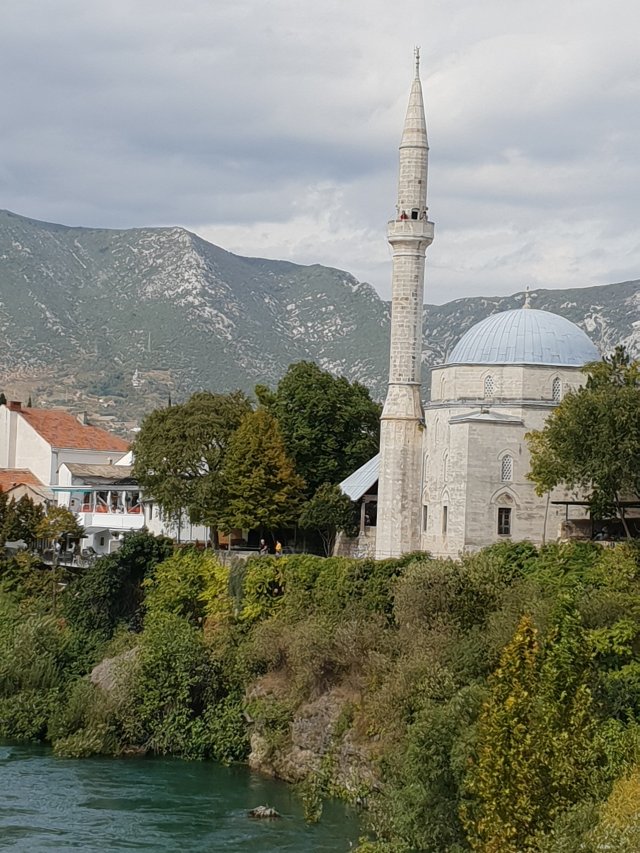
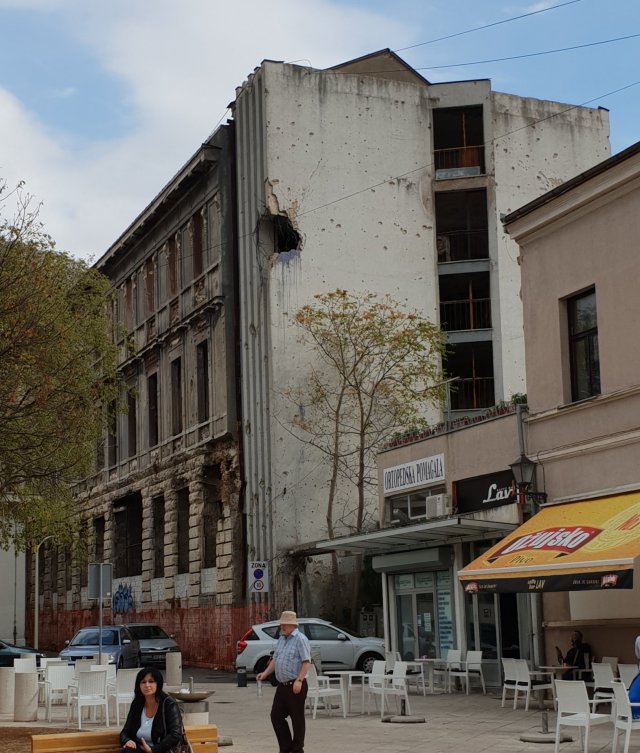
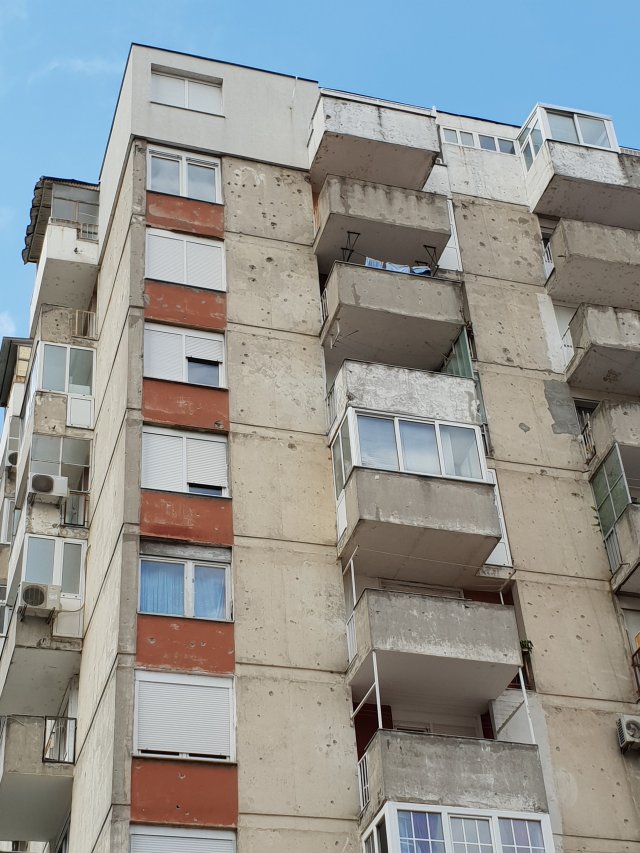
Then onto Mostar, which of course featured heavily in the 1990’s war here. Poor Mostar. Our excellent guide explained that the Bosnian population is the most ethnically divided, with a 3 way split between Serbs, Bosnian Croats and Muslims. Mostar had been a centre for the production of military equipment in former Yugoslavia, so all 3 sides wanted it. So it was shelled from all sides. 80% of its buildings were damaged.

It’s famous bridge, built in 1557, when the area was firmly under Ottoman rule, and became a main connection between the christian and muslim parts of the city. It survived 2 world wars, but was destroyed in 1993. It has been rebuilt by Unesco, who would only provide funds if they used traditional methods, cementing the original, retrieved stones, with egg white, goats hair.

For centuries, men of Mostar would free jump from the bridge to prove their manhood to the ladies of the town. They still do so today for the tourists!

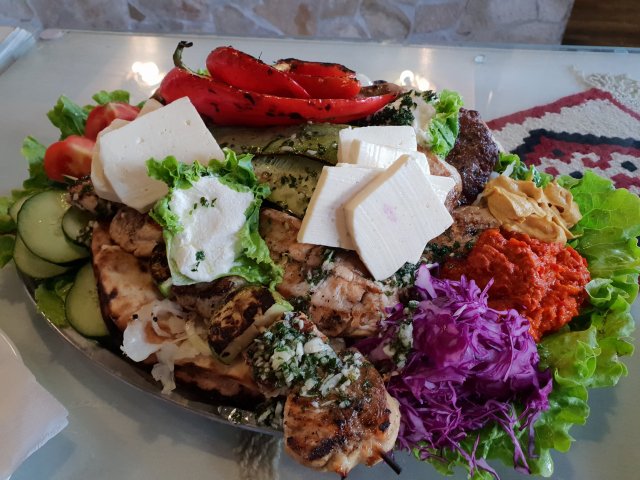
We had an amazing lunch in Restaurant Tima-Irma.

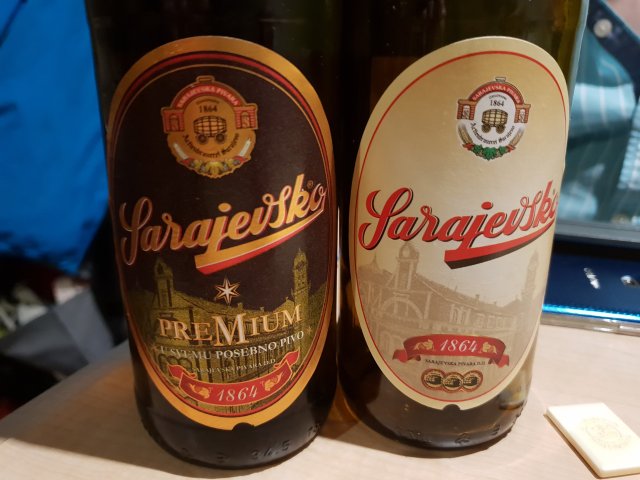
Wages here are very low, so prices are relatively cheap for tourists. We bought some local beers!

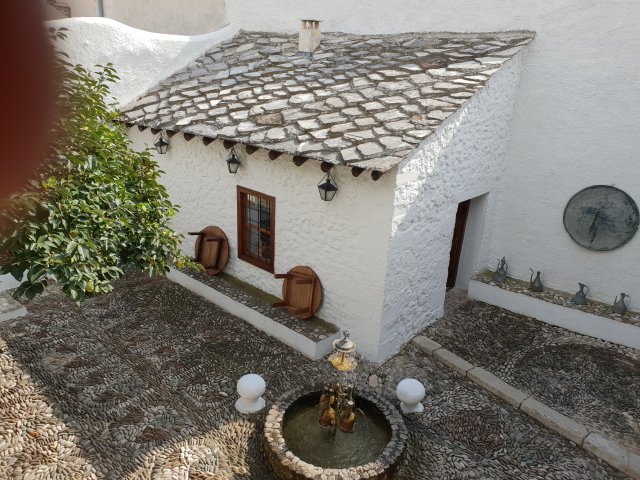
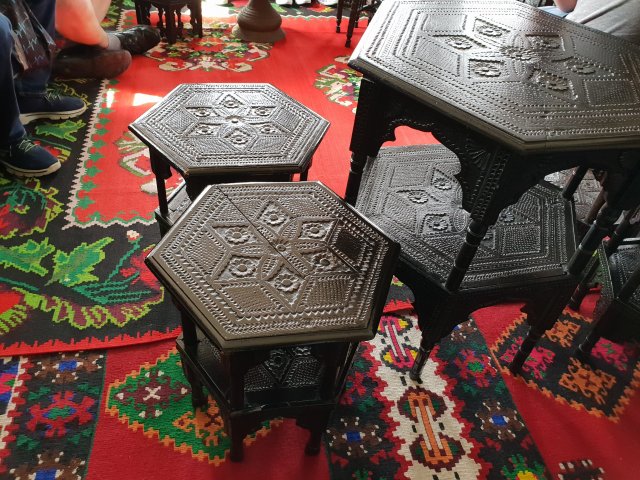
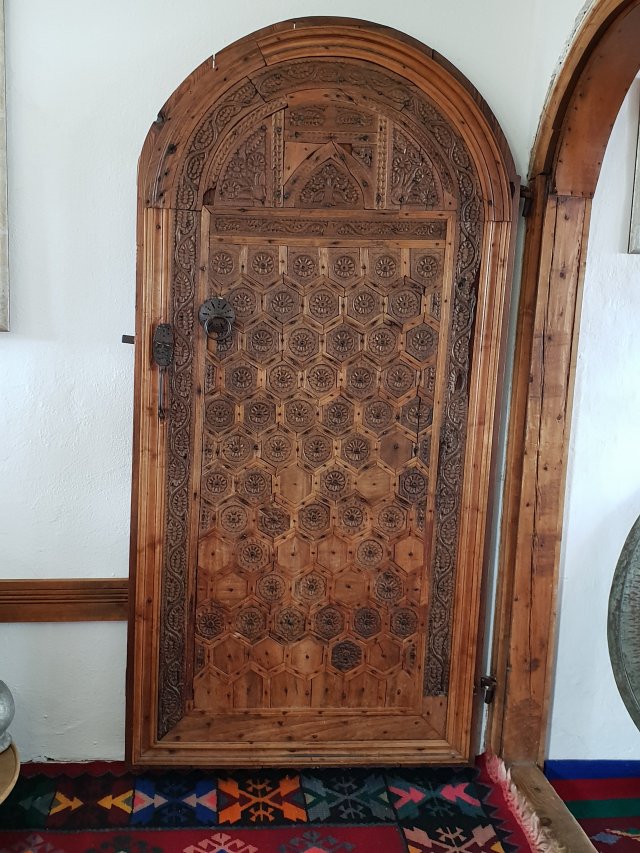
We also visited a lovely turkish house, one of the few remaining.

Many buildings bear the marks of bullets and shells. The saddest part of the day was when our young guide said that the people see no point in rebuilding because their country is a cauldron of conflict, and they will surely be fighting again.

It was important to see, and hear a different perspective on the conflict, and life today.

The next day was sunny, as we caught our early minibus heading south to Montenegro. Strict border controls meant hold ups both ways, but WOW!, was it worth it?!

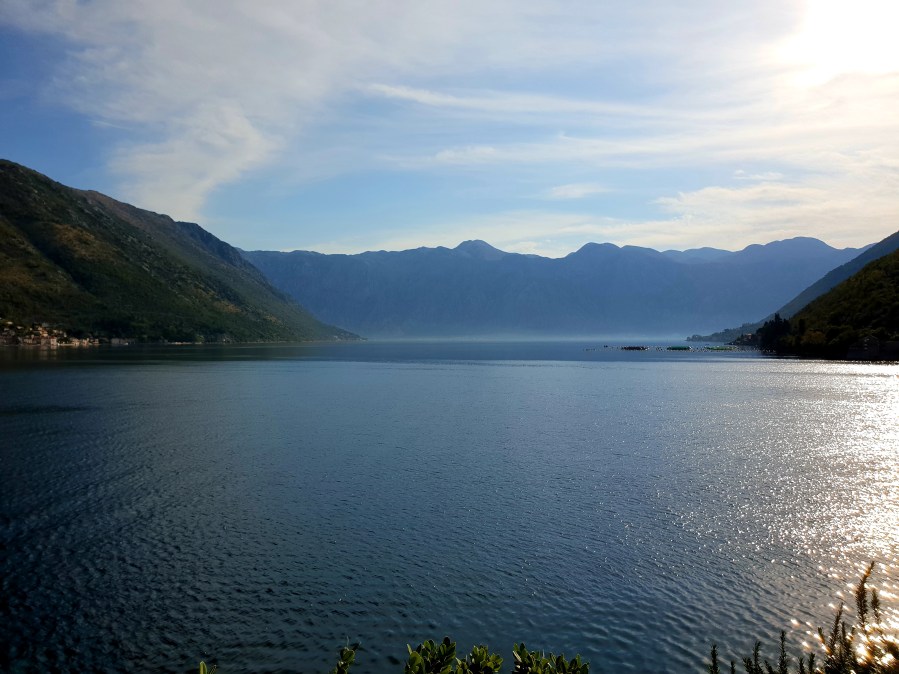
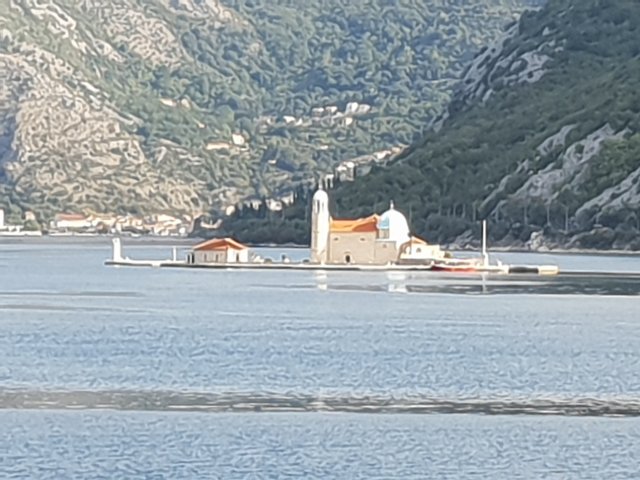
What a stunningly beautiful place. Kotor bay is ringed by high mountains, and a very sheltered inlet, with a narrow entrance, guarded by an island church. More of that later.

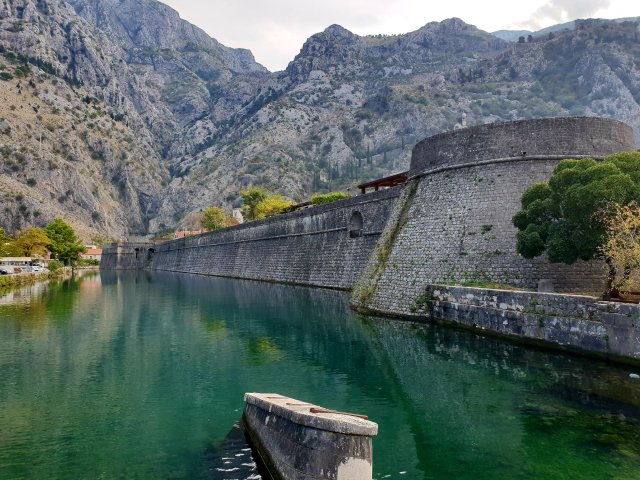
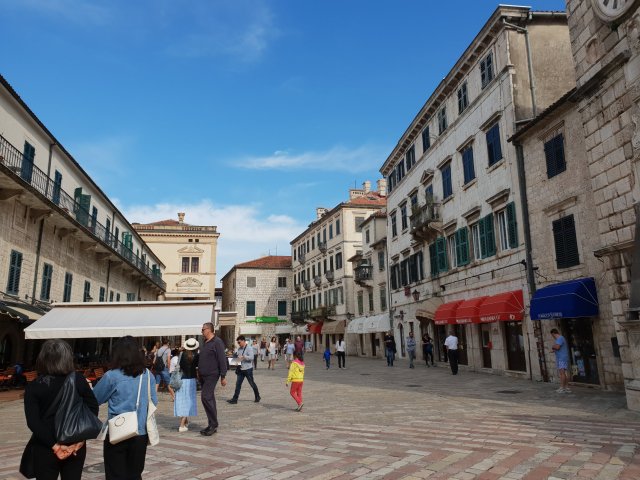
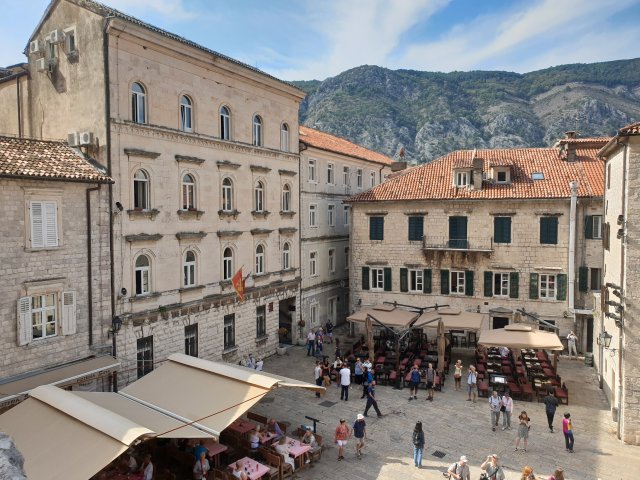
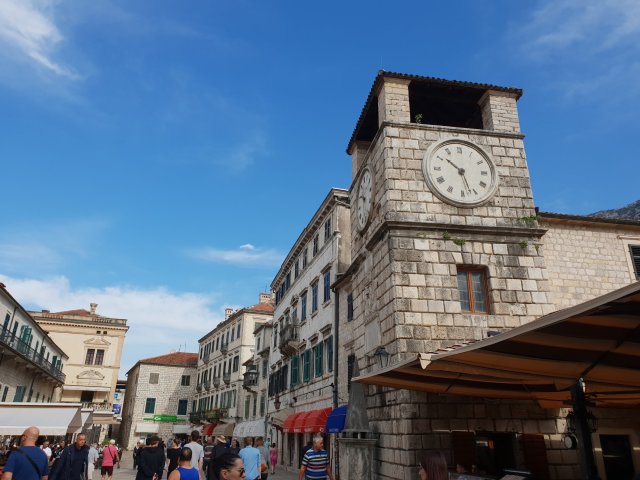
First we visited Kotor. Built while under Venetian rule, with formidable defensive walls, this delightful town contains palazzos and churches dating back 800 years. It is charming, and squeezed in between the mountains and the water.

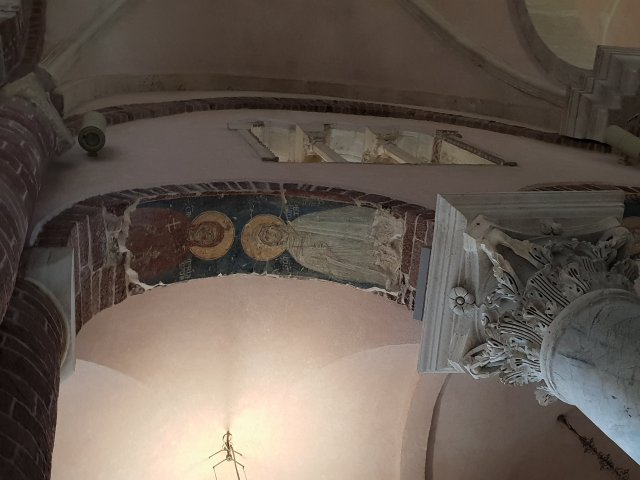
The maritime museum was interesting, and the Cathedral is 852 years old, with fragments of original wall paintings.

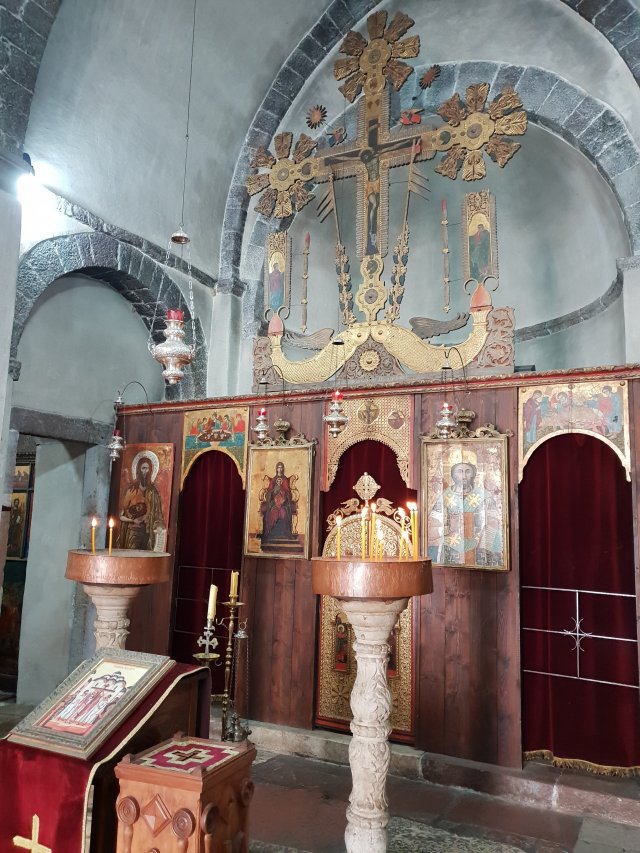
There is also a tiny chapel, which combines both an eastern orthodox, and christian altars.

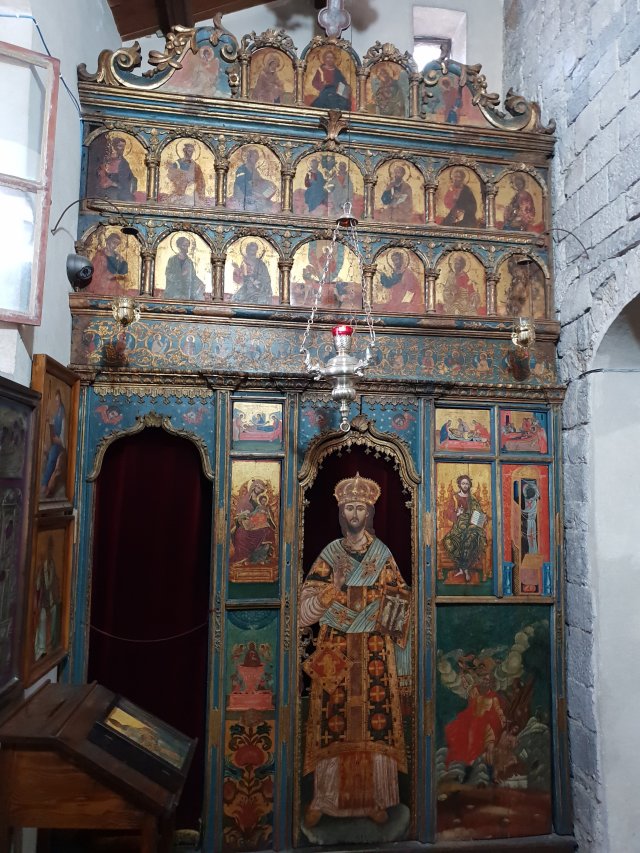
Many of the church decorations are silver, because for many years it was the most valuable of the commodities being traded.

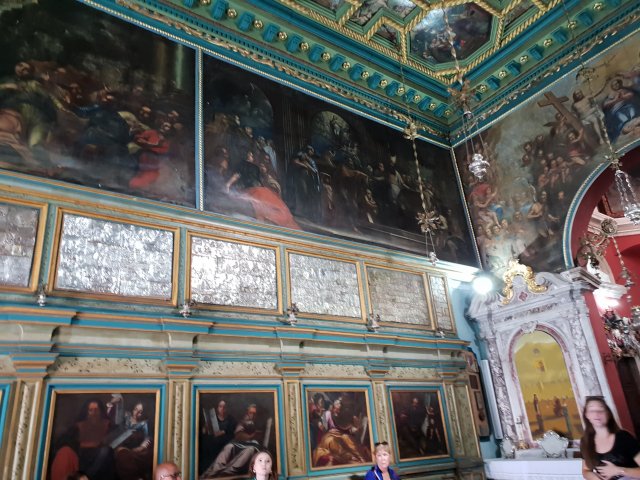
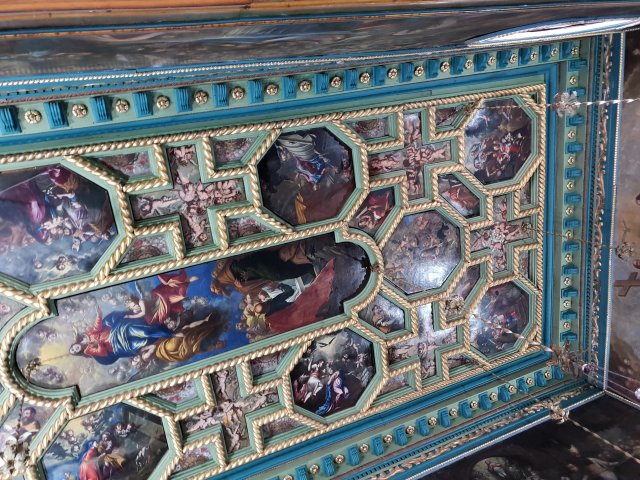
Then a visit to pretty Perast, and a ferry to the tiny island. Legend says that 2 sailors found a picture of Mary on a rock. One was very ill, and against all odds, he recovered. They decided to build a church, but there was no island, so over a period of many years, locals sunk ships around the rocks, until they had footings. They built the church in the 15th century, Our Lady of the Rocks, which is the patron of sailors. The interior was painted by venetian artists, and is breathtaking.

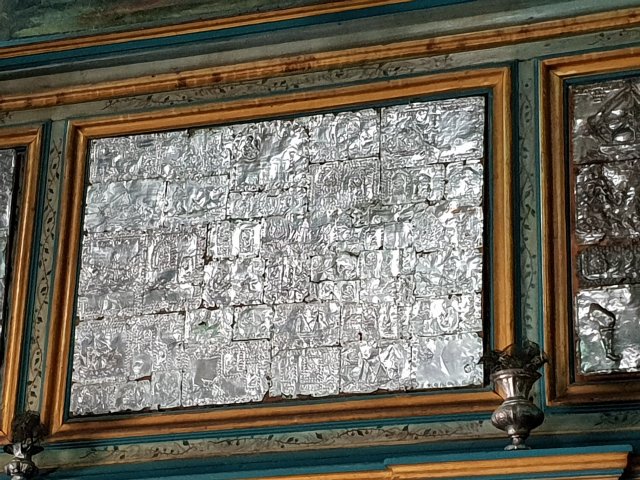
Ships stop to ask for a blessing on their voyage. If their ship is involved in an accident, and they survive, they bring a Thank you to the church. Most common are silver plaques. Over 2000 adorn the walls. Gorgeous!

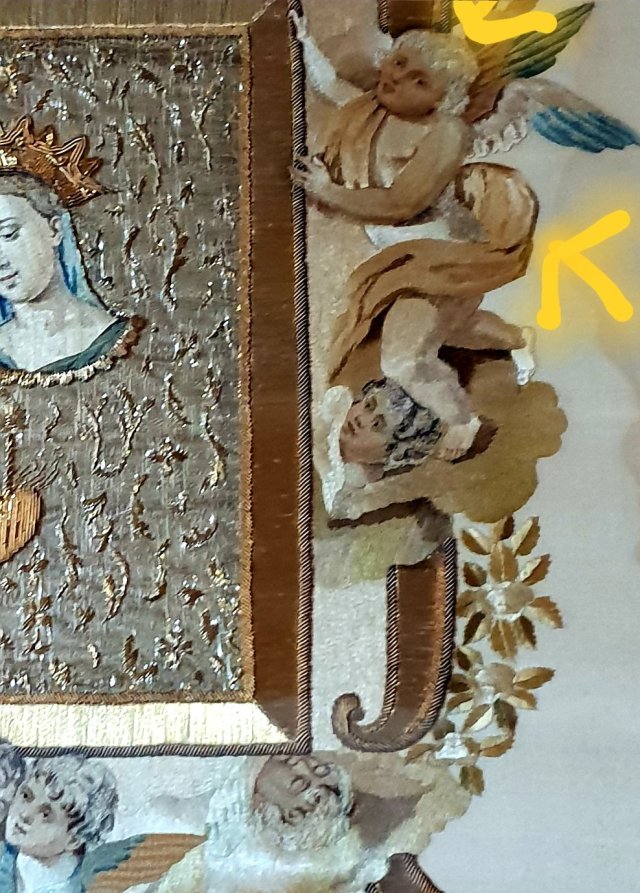
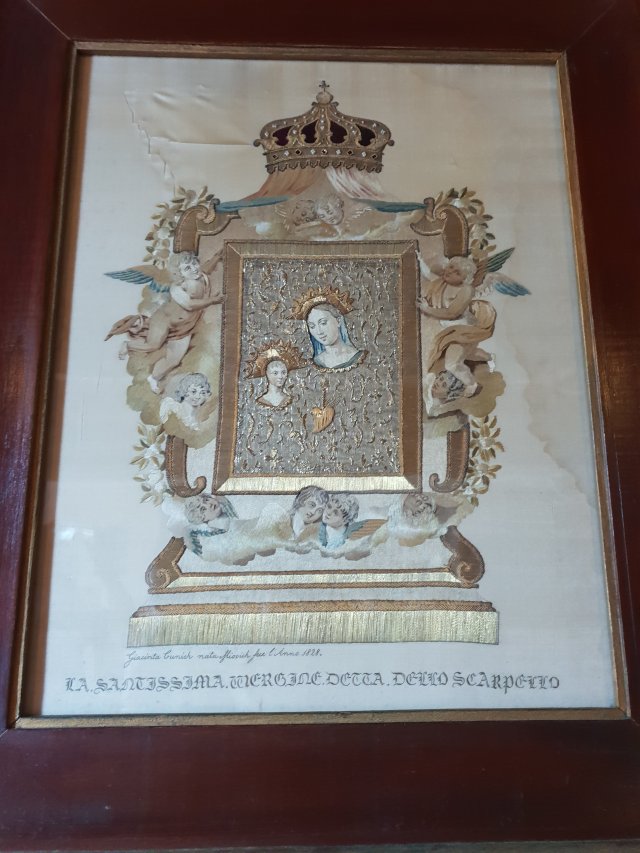
The small museum also contains a tapestry, created by a local wife waiting for her sailor husband to return. She worked on it for 25 years, using minute stitches-700 per square cm! The most remarkable part is that she used her own hair for the heads, and as the years go on, her hair colour changes, until it ends up white!

We loved Montenegro. Really worth a visit!

Post 4 … Dubrovnik – a phoenix risen from the ashes.

We left Ljubljana in the afternoon, and drove nearly 200 miles south. The roads through Slovenia were small, and bordered by verdant scenery, and pretty villages at every turn.

Then, after a few slightly worrying moments with a rather stern border guard, we crossed into Croatia. Within 20 minutes we were on a smooth motorway, but the scenery was much more rugged. Predominantly limestone karst with rugged boulders strewn about, and mountains all around.

As we neared the coast we saw a brilliant sunset, and a strong wind buffeted Boris all the way to a nice camper stop at Skradin.

Off on our way early, we drove 2 hours south to Ploce.

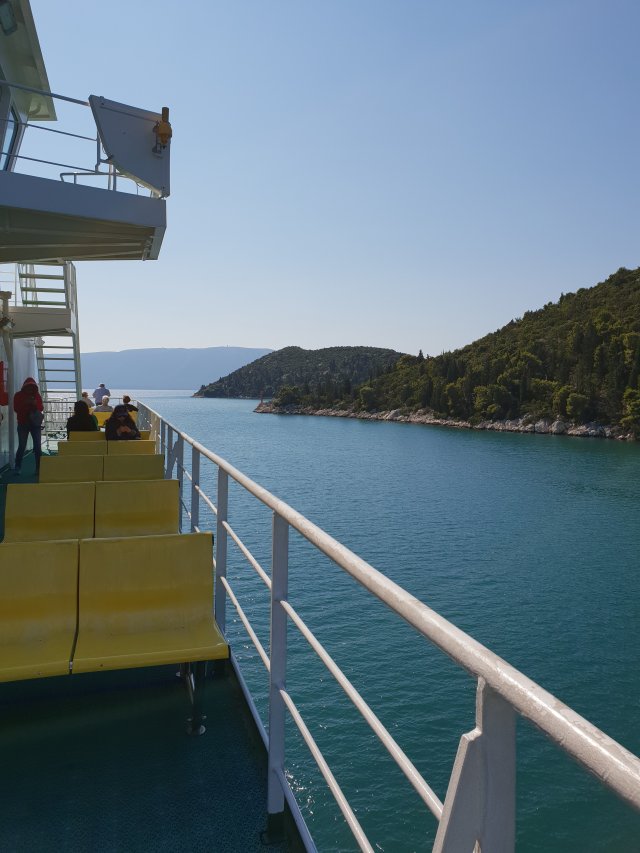
Croatia has 1,770 kms of coastline. Due to a centuries old agreement, Bosnia owns a 9km stretch of coastline in the middle of it! Dubrovnik is the other side, and many car insurance companies, ours included, won’t issue a green card to drive there. So we have to catch a ferry to the adjacent peninsula, and drive south to Dubrovnic that way. Ferry cost £36 for us and Boris, lasted an hour, and we could pretend we were cruising the Adriatic!


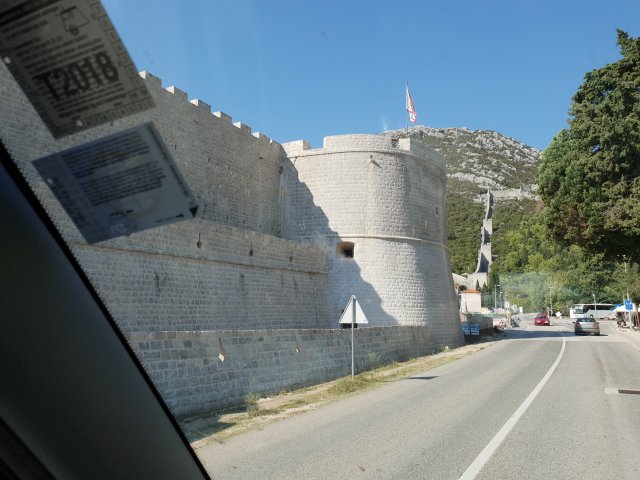
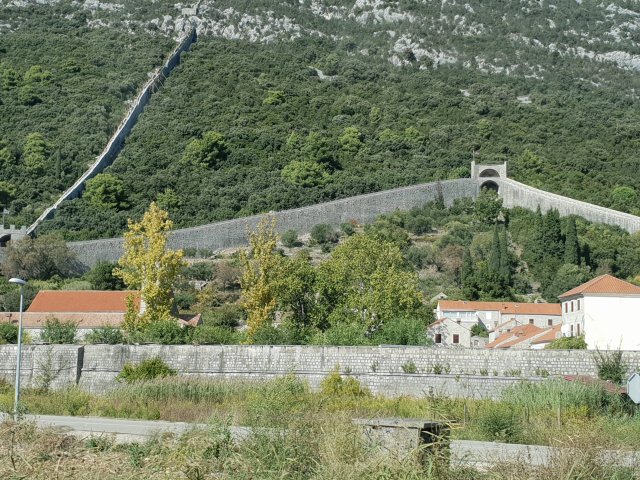
The drive down the peninsula was spectacular, including past the village of Ston, which boasts the 2nd longest wall in the world. It was built in 1358, then over 7km long, to protect the salt basins, a prized commodity.


We arrived at Camping Kate in Mlini, south of Dubrovnic, high above the Adriatic, and very nice for 17 euros per night with our Acsi card! We took the walk down to the lovely waterfront, had a good supper at Konoba asatrea , and then staggered up the very high, very steep hill to Boris.


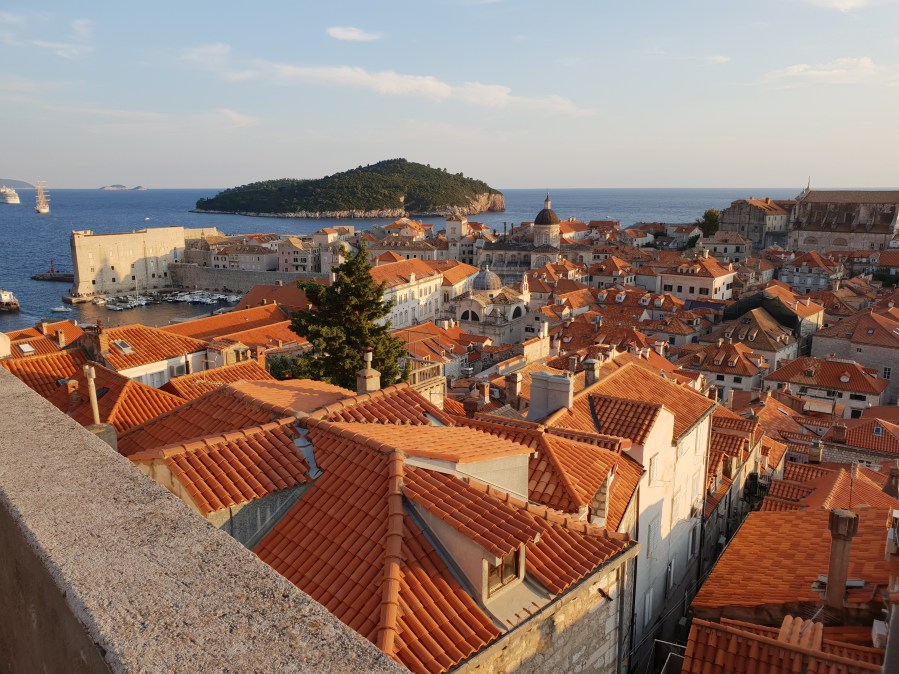
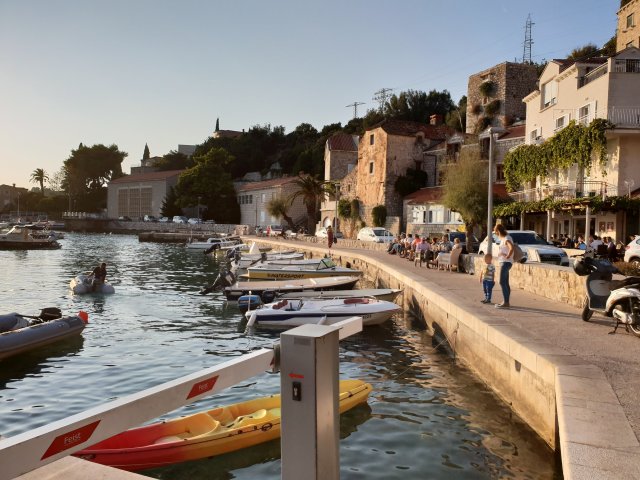
Next morning, a ferryboat took us to Dubrovnik. So exciting. I have wanted to visit here for years, and to approach from the water was extra special.

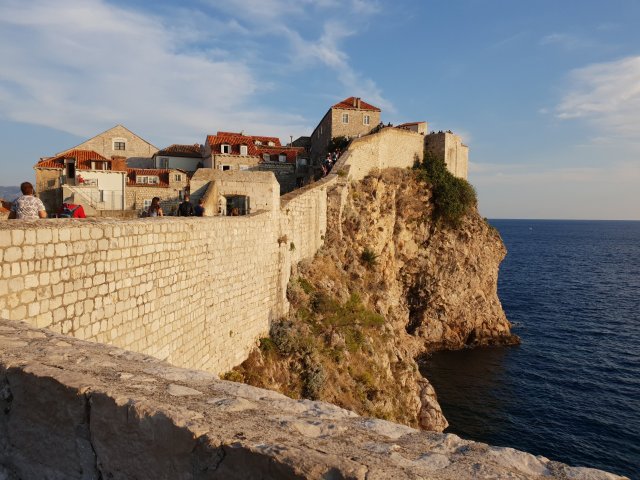
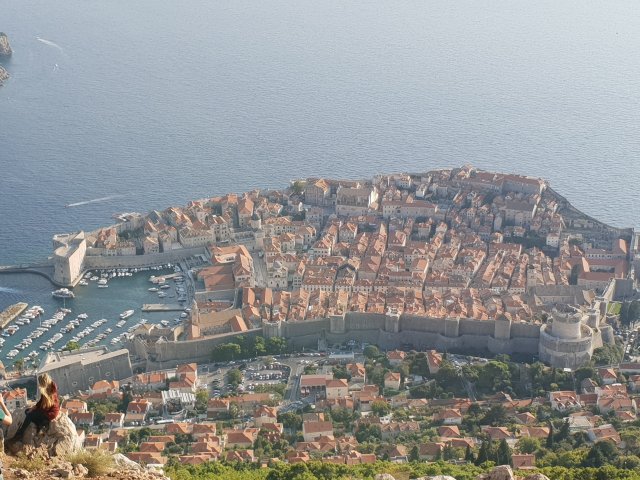
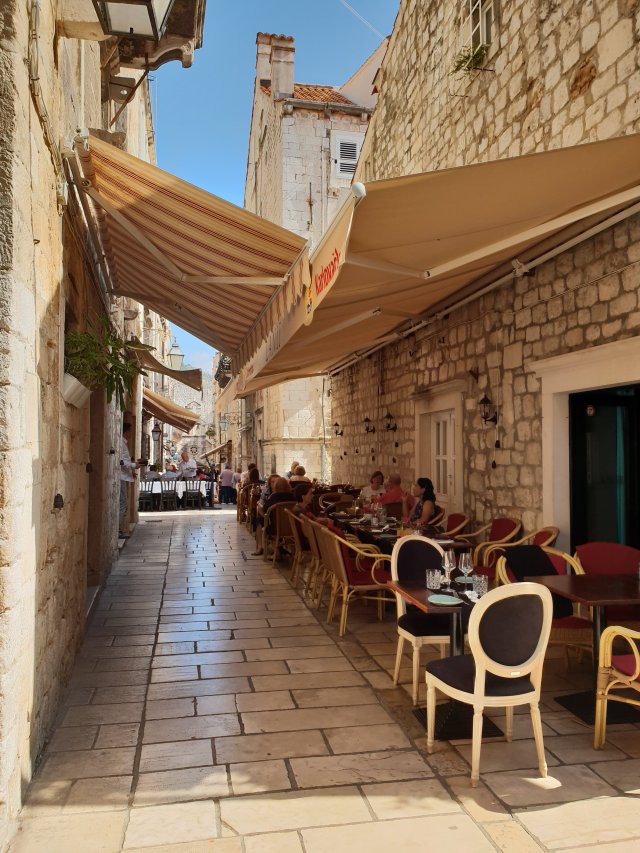
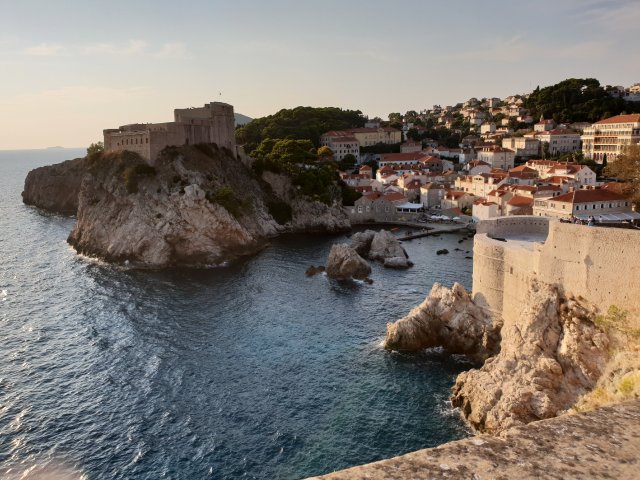
This is an exquisite city. Visually and historically fascinating.We took a walking tour and learned so much. Dubrovnik was always under threat from the 2 great powers in the Middle Ages – Venice to the north, and the Ottoman Empire all around. After they built their amazing defensive walls, no-one ever attacked them again… until the Yugoslav army in 1991.

Map showing the sites of all the bombs which hit the city.
Dubrovnik became fully self governing in 1358, and thrived. It was way ahead of it’s time. A medical service was introduced in 1301, with the first pharmacy, still operating to this day, being opened in 1317. An almshouse opened in 1347, and the first quarantine hospital in the world (Lazarete) was established in 1377. Slave trading was abolished in 1418, and an orphanage opened in 1432. A 20 km (12 mi) water supply system, in stone pipes, was constructed in 1438 by the Neapolitan architect and engineer Onofrio della Cava. He completed the aqueduct with two public fountains.

Still drinkable today !

We took the cable car for stunning views, and walked the entire walls.

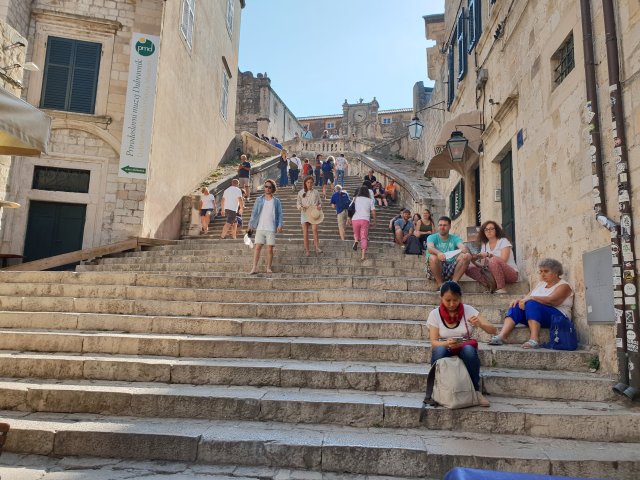
The Game of Thrones references were lost on us, but many scenes were filmed here, including Cersei’s walk of shame down the steps.

Apparently, there is a daily market held below the staircase. During filming, it couldn’t take place. The stallholders refused to move because of loss of earnings, so the film company bought the entire stock on every stall!! Also, there are many shuttered windows in the wall to the right of the staircase. The owners were told they must be kept closed for hours and hours each day for filming. They refused, and negotiated a deal of 100 euros per window, per day to leave them shut!!

This is an amazing city, but it was most moving to hear what they went through in the recent war, and see images of that time.


Now, it is a city of hope, repaired and thriving!

Post 3 Slovenia is gorgeous… it’s official!

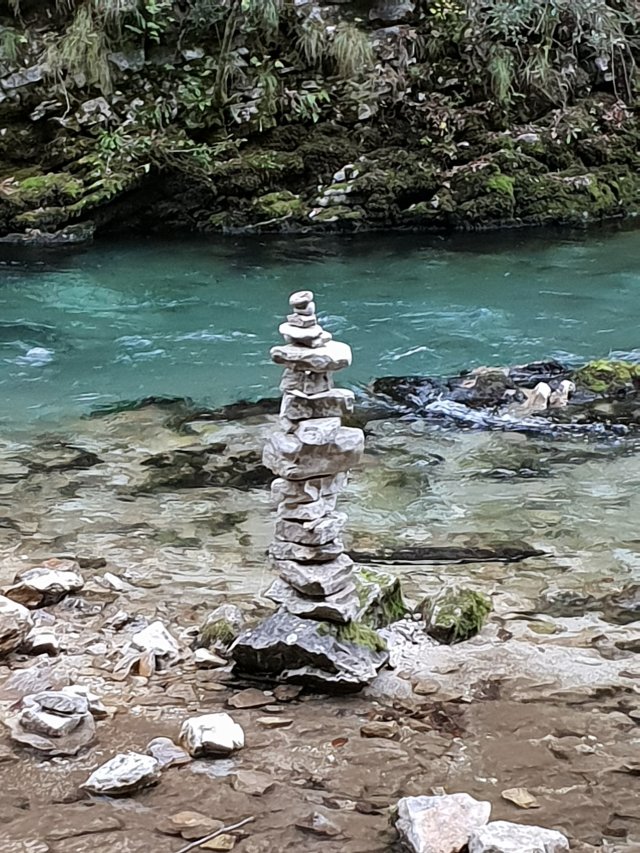
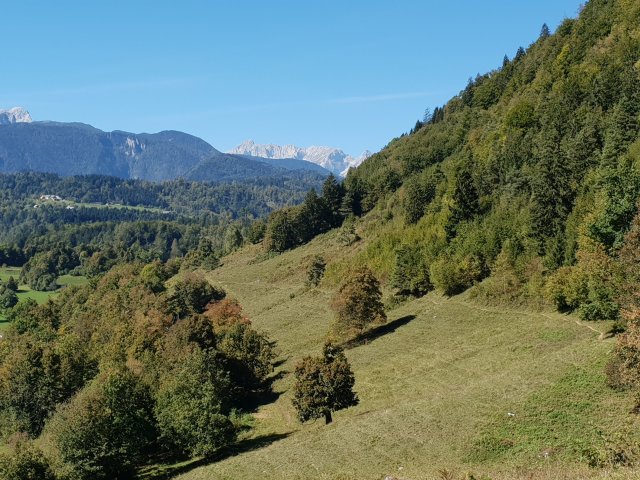
A peaceful night at Camping Bled, and the luxury of excellent showers in very modern, heated washrooms! Then we set off to find the Vintgar Gorge walk. We recommend the circular walk, along the deep cut gorge, climb up through the forst to Katerina, and return along the side of Hom Hill with magnificent alpine views and cows with bells! Gorgeous.

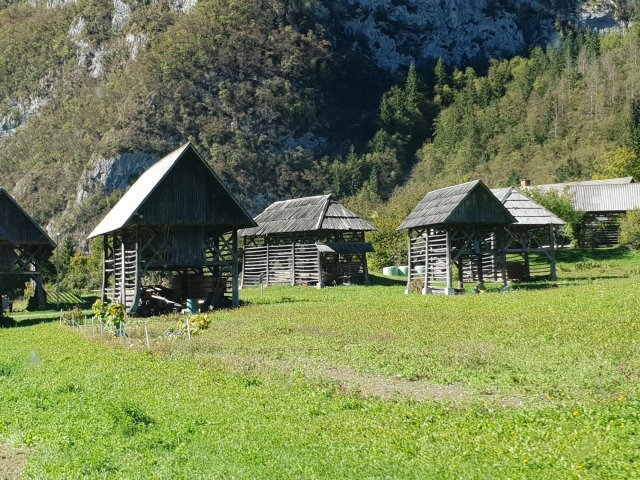
Next we drove for 45 minutes, past local farms which have special racks, used for drying hay.

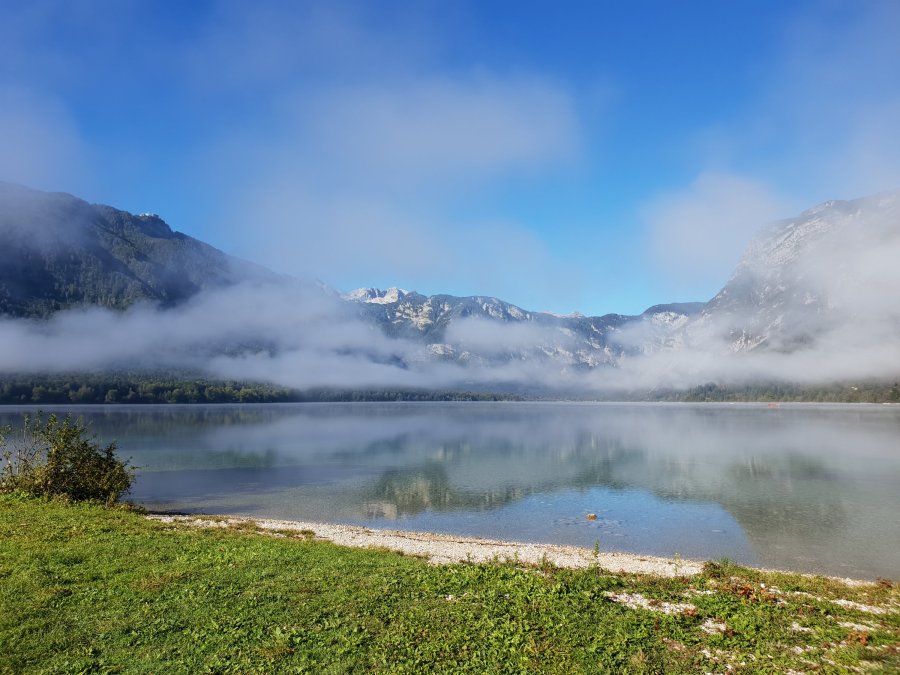
We went to the neighbouring, but more isolated, Lake Bohinj. Wow. This was stunning too. At the far end of the lake is the cable car to the Vogel ski area. We ascended to find Alpine scenery, and some gorgeous walks. A highlight was watching crossbills feeding in trees right next to us.

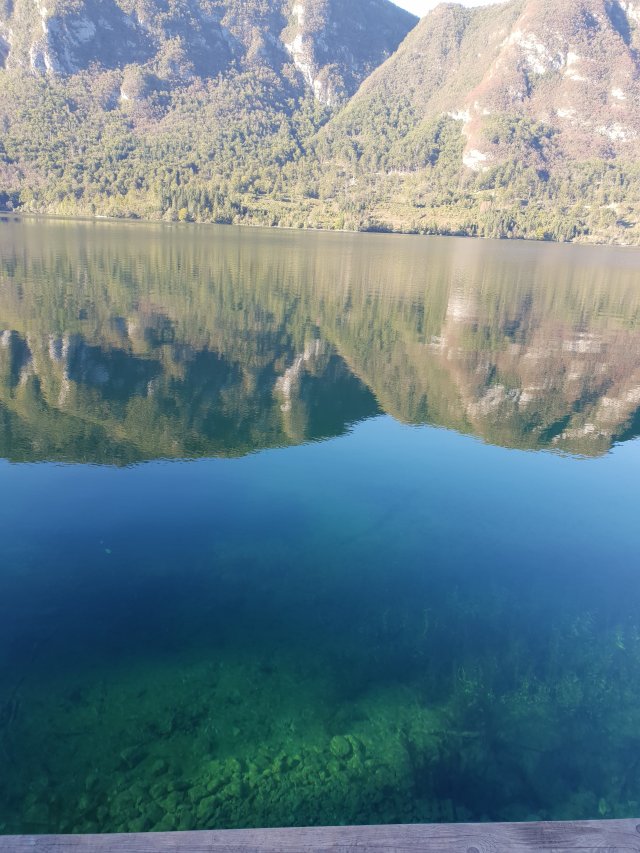
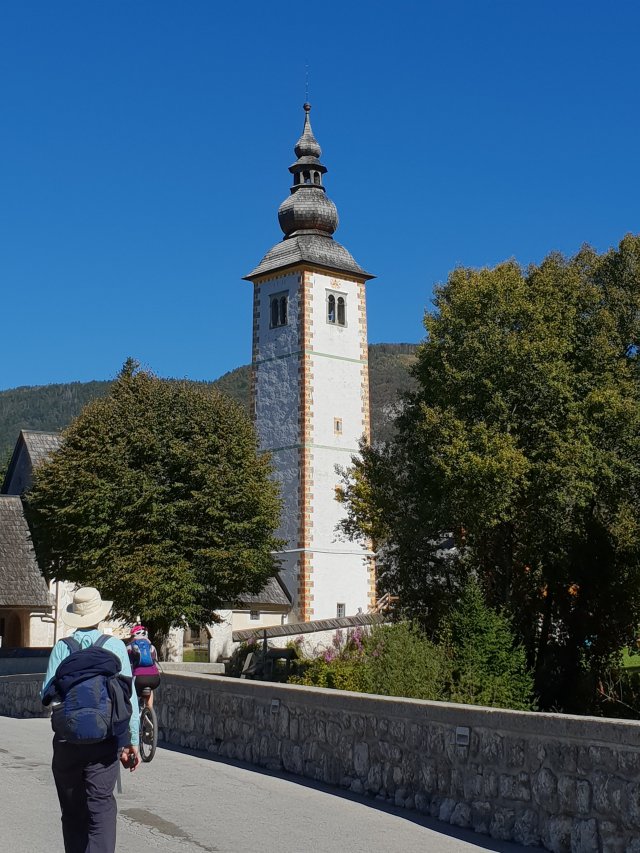
Back down in the cable car, we visited a tiny church of St Christopher, and marvelled at the clarity of the lake water, and the relections.

Then to our campsite, with a super pitch by the river, and a walk to town where Chris continued his healthy eating campaign with a very traditional supper of local sausage, sauerkraut and a delicious mashed potato with onion. This was accompanied by 2 very tasty (and strong) local ales! Slovenia likes craft beers!

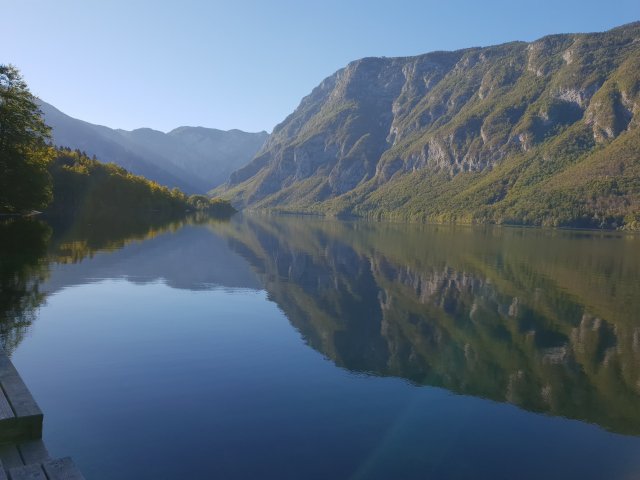
Next day was an early start to walk the length of the lake, watching the mist rise as the sun burned it off. 4 miles at a brisk pace so that we could catch the ferry back. What a super morning.

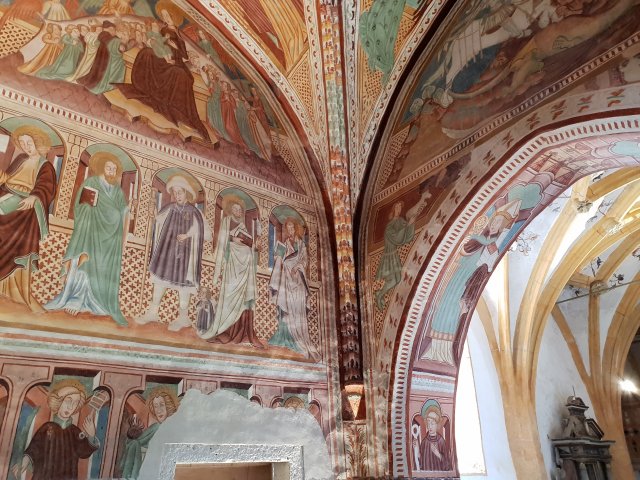
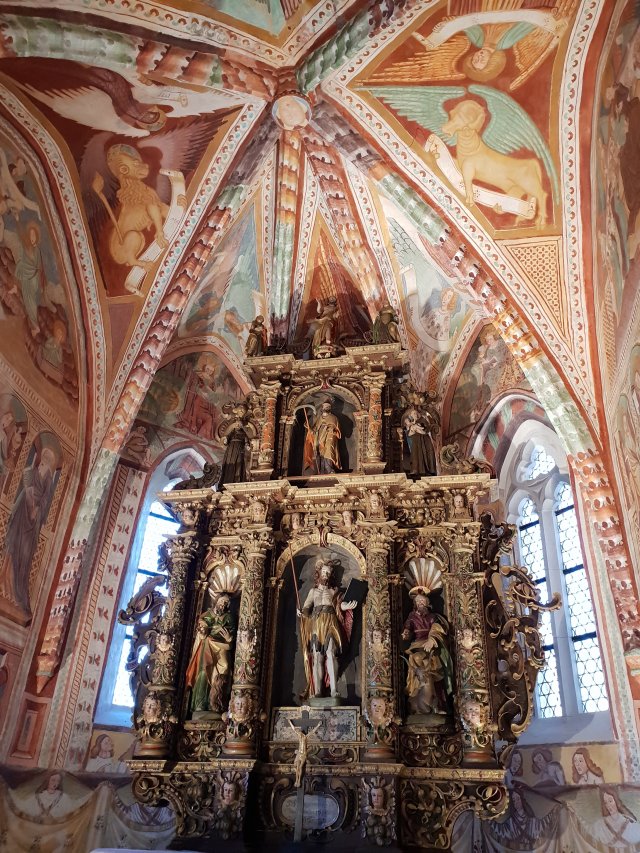
The tiny village church was filled with astonishing paintings, some 600 years old!

A picnic lunch surrounded by glorious scenery, before driving to Ljubljana, the capital.

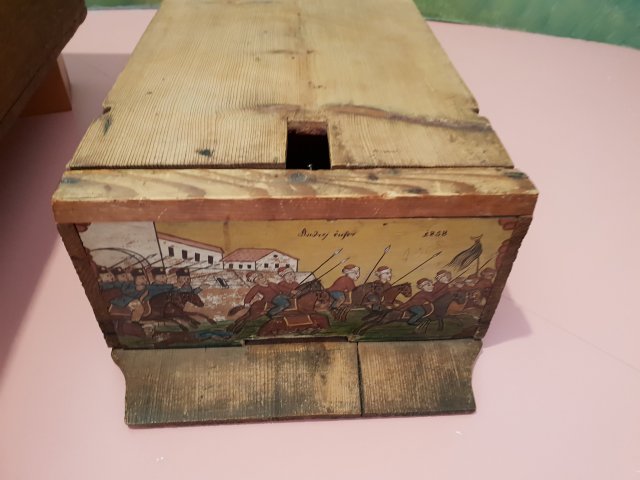
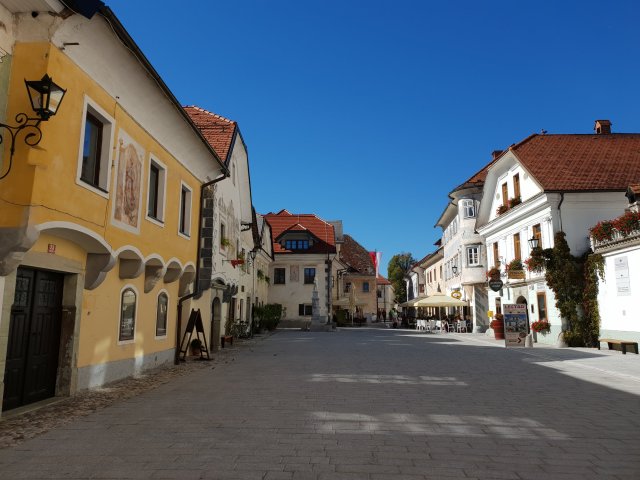
However I had spotted a comment that a village enroute, Radovljica, was worth a look! It was gorgeous, and the highlight was the museum of Apiculture. Beekeeping is a great tradition here, and the old wooden hives are still used. For 200 years, paintings were done on the ends of the hives, depicting religious, historical or comical scenes. They were gorgeous.

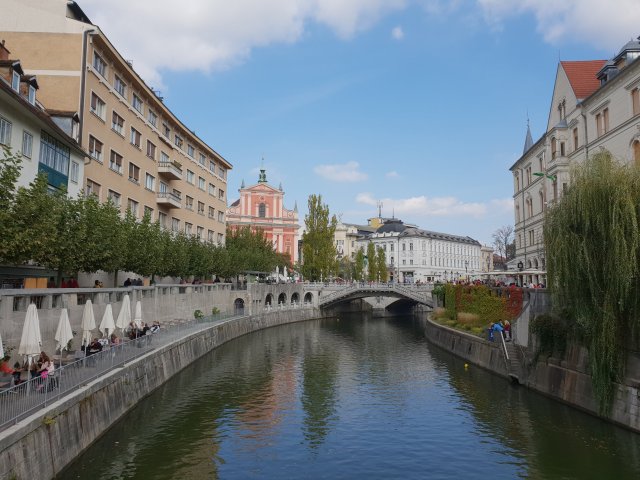
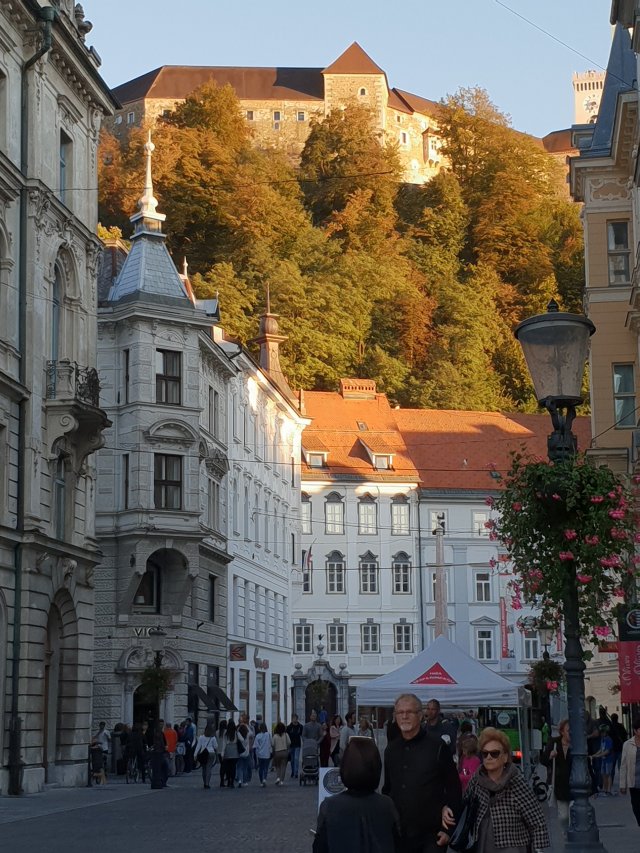
Next onto our camperstop near Ljubljana, where our neighbours were some cute piggies, goats and a kitten! A short bus ride into town, and we strolled through the charming streets of this delightful, miniature capital city, and visited the beautiful cathedral. Slovenia gained it’s independence in 1999, and is fiercely proud of it’s heritage. Slightly worried about the baker though!!! We enjoyed a super meal at Atelje before returning to Boris for another peaceful night.

We caught the first bus back into the city on Saturday morning for an excellent walking tour. The city chose a poet as the name of it’s main square, rather than a military leader or politician, as they value their language, and love over military actions. Nice!

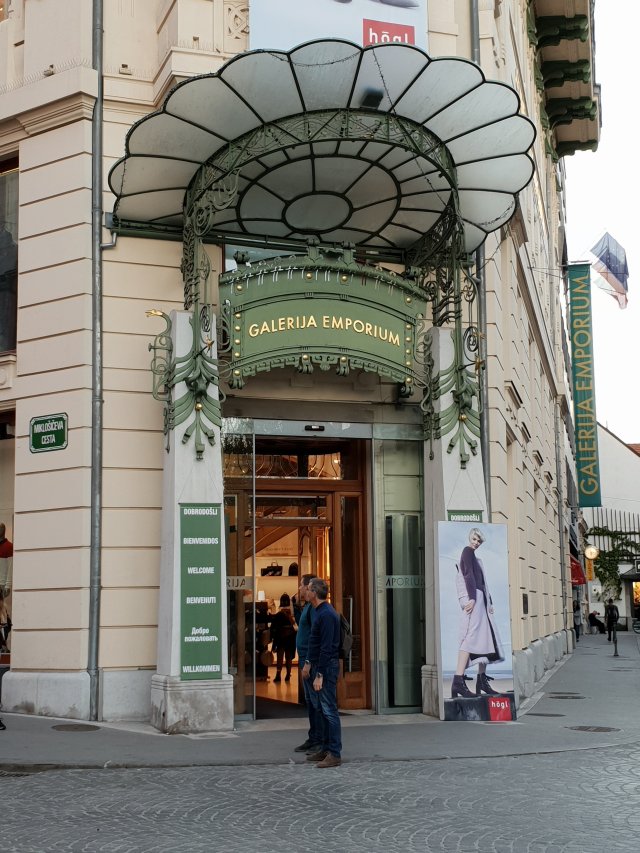
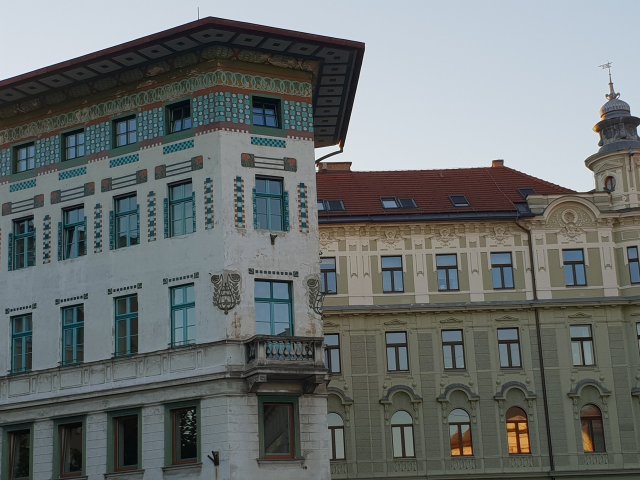
The architecture is delightful. Baroque and Art Nouveau styles are much in evidence.

Much of the town was damaged in the 1895 earthquake, so Art nouveau was the style of the time!

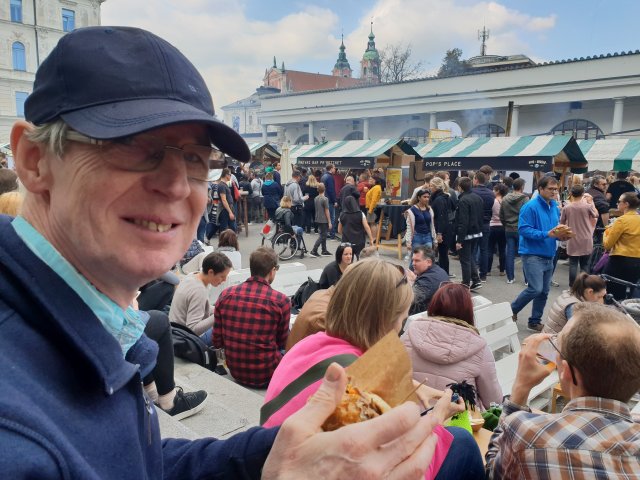
Time to leave. But not before lunch in the square at the Beer and Burger Festival.

We timed our visit well!! No alcohol when driving here, but Chris buys a craft ale for later. The burgers were superb. Organic meat! We love this country.

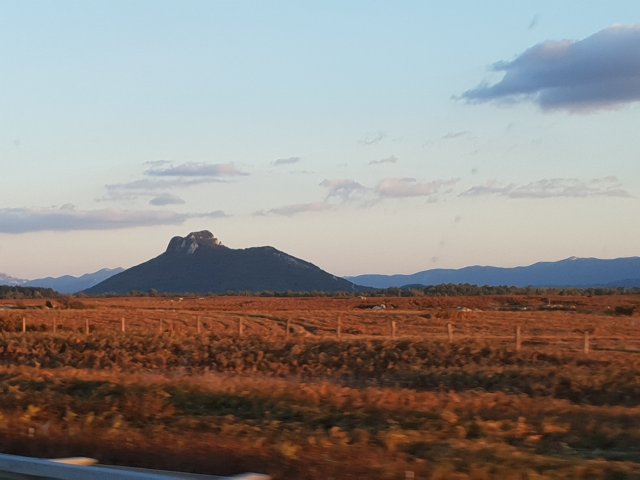
Now a long drive southeast, into Croatia. Slovenian scenery was gorgeous all the way to the border. Croatia quickly became more rugged and wilder, especially as we crossed the mountains and headed towards the coast. We witnessed a gorgeous sunset, and then drove to a tiny campsite in Skradin, where Chris could at last drink his ale!

We are more than halfway to Dubrovnik, our next destination… and that involves a ferry ride for Boris

Post 2 if it is Wednesday it must be Austria…or is it Slovenia?

Our objective on this trip is to travel to Southern Croatia, so Germany and Austria are, on this occasion, serving as interesting stopovers! Our night in Germany was… chilly. So glad I packed the 10.5 tog duvet. It dropped to -2 degrees C in the night, but we were on a site with electric hookup AND an all night electric blanket. Best camping tip I can give anyone!

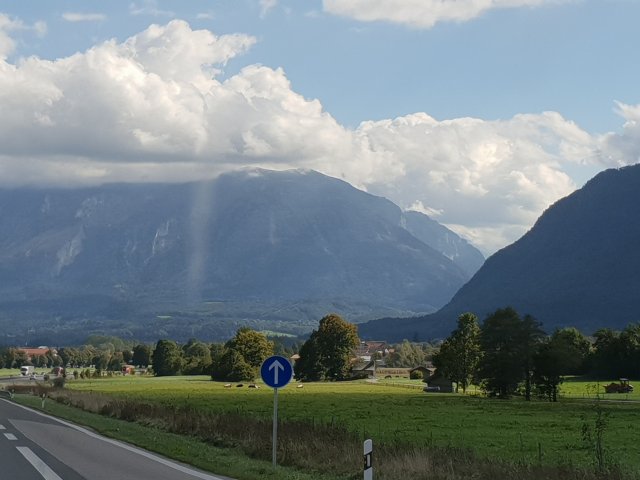
A gloriously clear day for our drive south east, past Munich towards the Austrian border . The Alps gradually appeared, and the scenery became stunning.

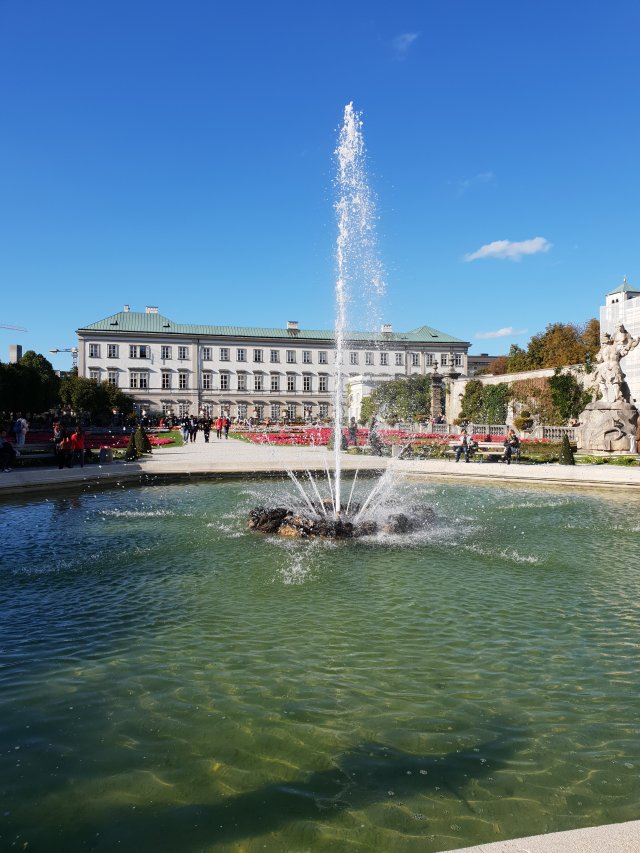
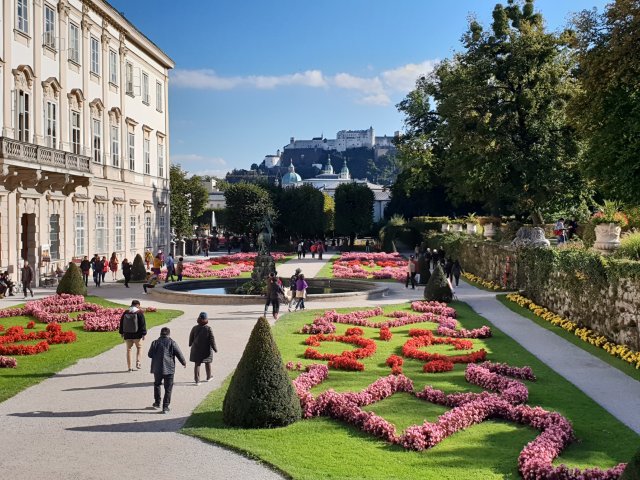
We arrived at Camping Nord Sam, on the outskirts of Salzburg, at 14.30. We had a quick snack, and caught the very convenient bus to the town centre. The Mirabelle gardens around the old palace are beautiful… and where the children in Sound of Music sang Do, Re, Me. (So I am told. I have managed to get this far through life without seeing it!)

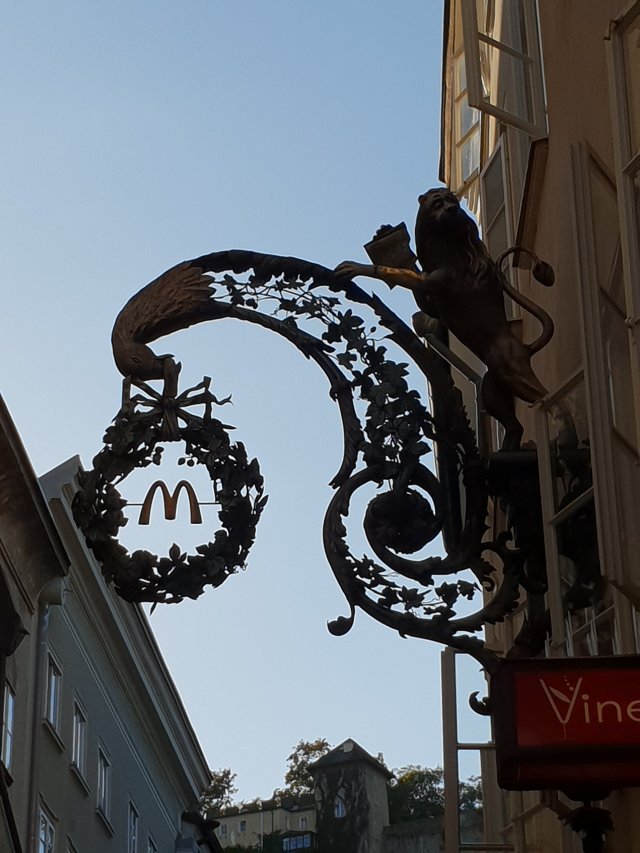
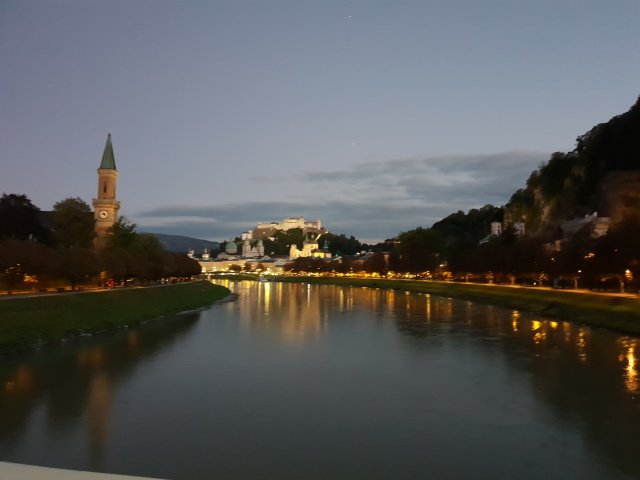
We sadly opted to skip the 4 hour Sound of Music city tour (was it a sing a long tour I wonder?), and did our own walk. Crossing the river to the Aldstadt, the whole city centre is stunning 17th and 18th century architecture, with lovely narrow streets, and ornate metal shop signs. No Golden arches here!

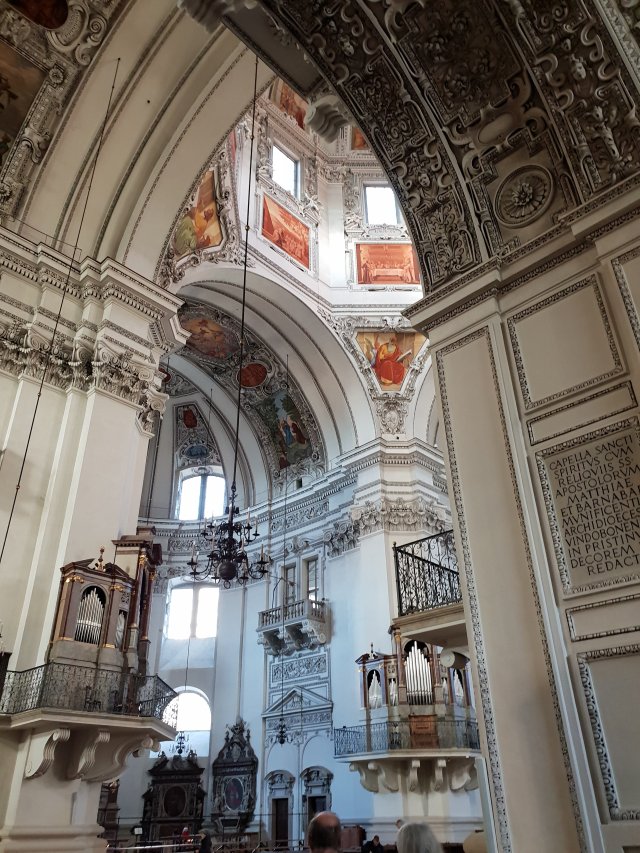
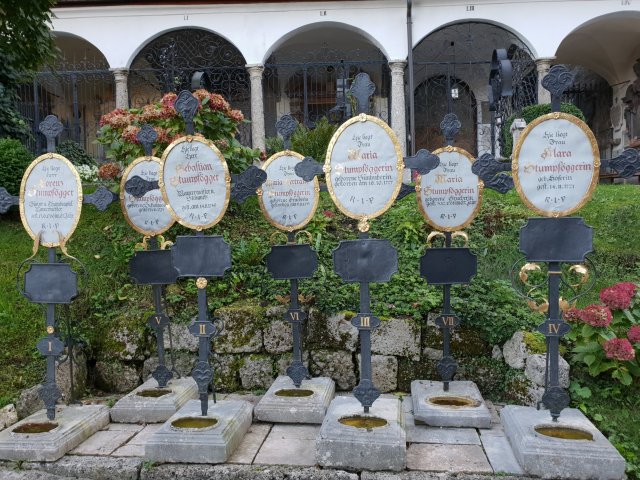
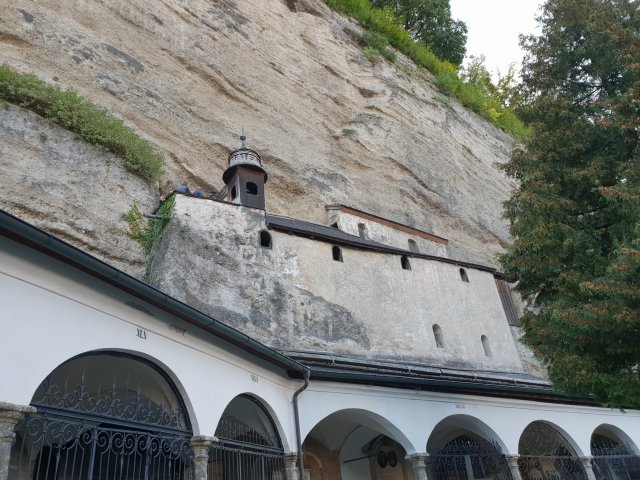
The baroque Cathedral was impressive, but we loved the little chapel and cemetery of St Peter, and the hermitage chapels and catacombs in the cliff face.

Mozart was born and lived in Salzburg, and much is made of this. Mozart chocolates, liqueurs, Umbrellas, aprons, rubber ducks…. you get the idea. No music though!

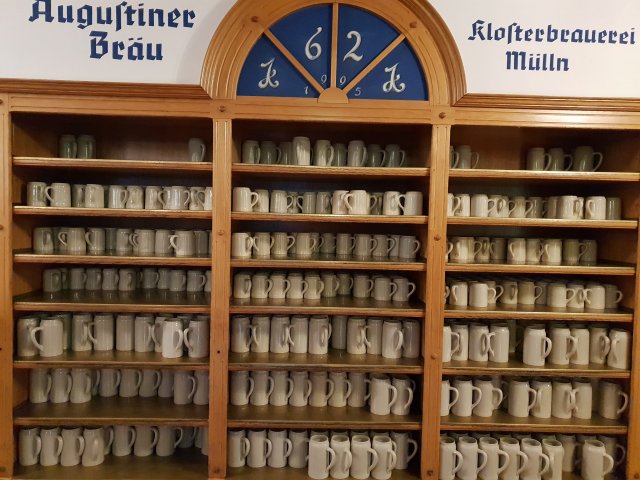
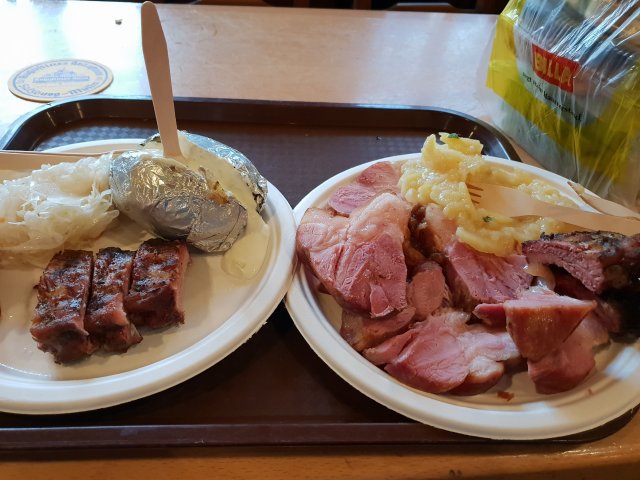
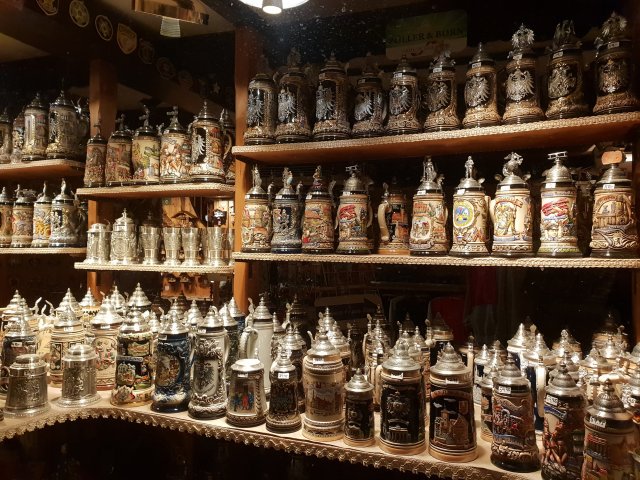
Our final visit was to the Augustinian Brauhaus, a monastery brewery since 1621. A huge, traditional hall has expanded into 4 halls and a terrace holding over 5000 people! You collect your stein, get your beer dispensed…7.2% proof, and then find some yummy, if very meat based, street food at the indoor stalls.

It was a great experience, rounded off with the bus back to Boris and another very chilly night!

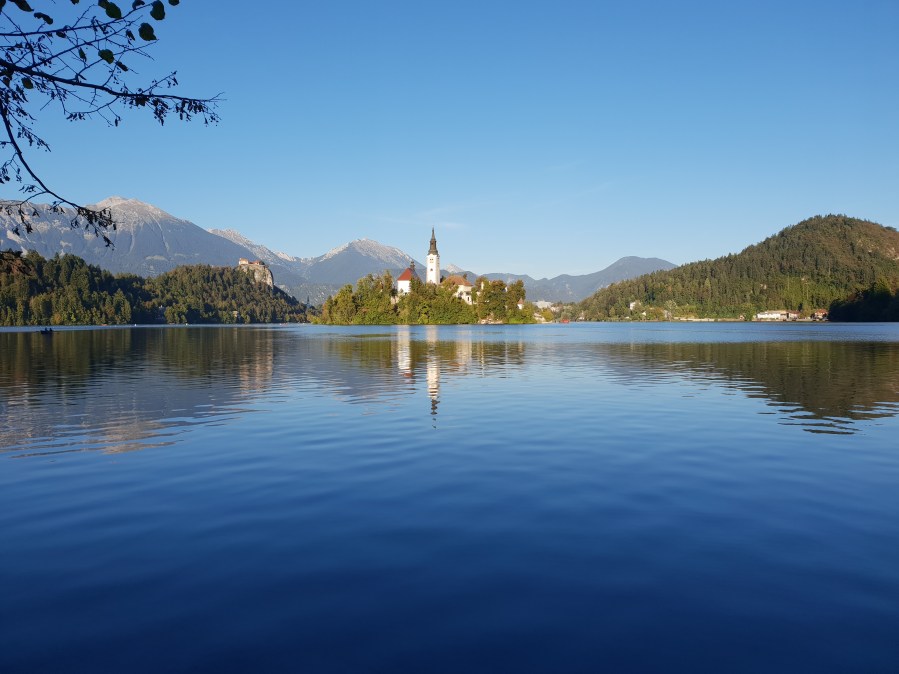
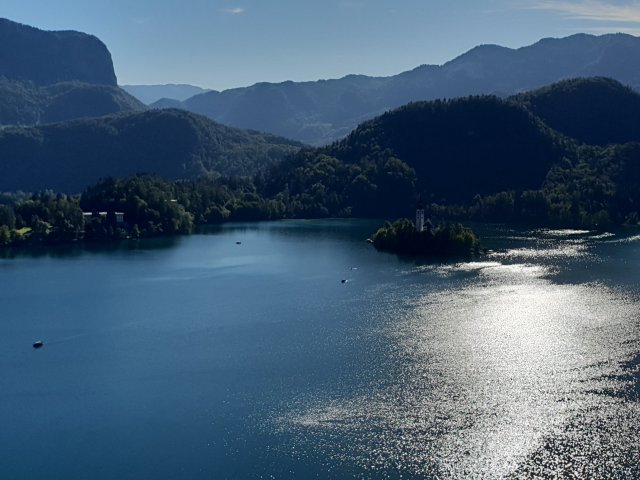
Another bright start and we crossed Austria on route 8. We had bought a vignette for 9 euros to allow us to travel on the motorways. Route 8 had tolls as well, for the 2 huge tunnels which meant we did not have to climb high over the Alps. We were in Slovenia in 2 hours, and 45 minutes later had found Camping Bled, on the shores of magical, glacial Lake Bled.

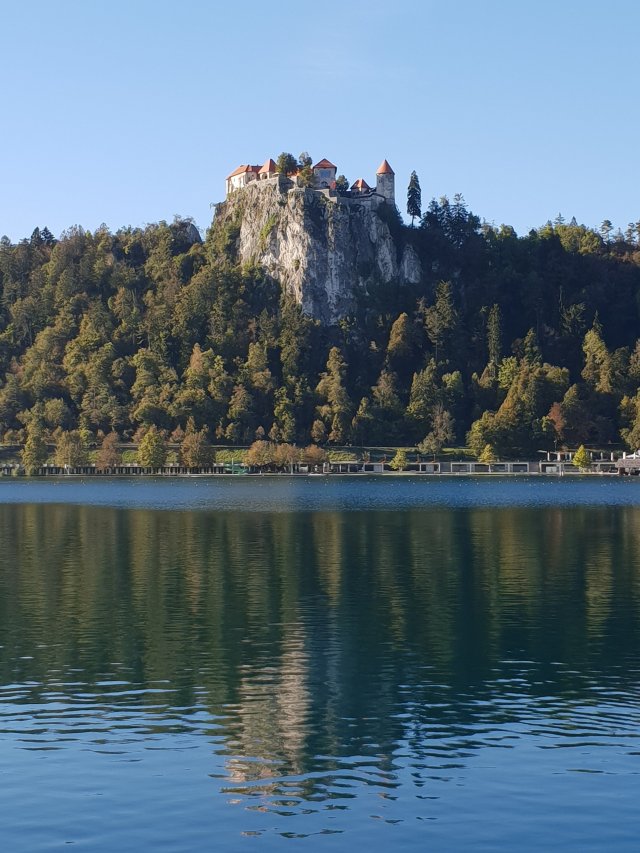
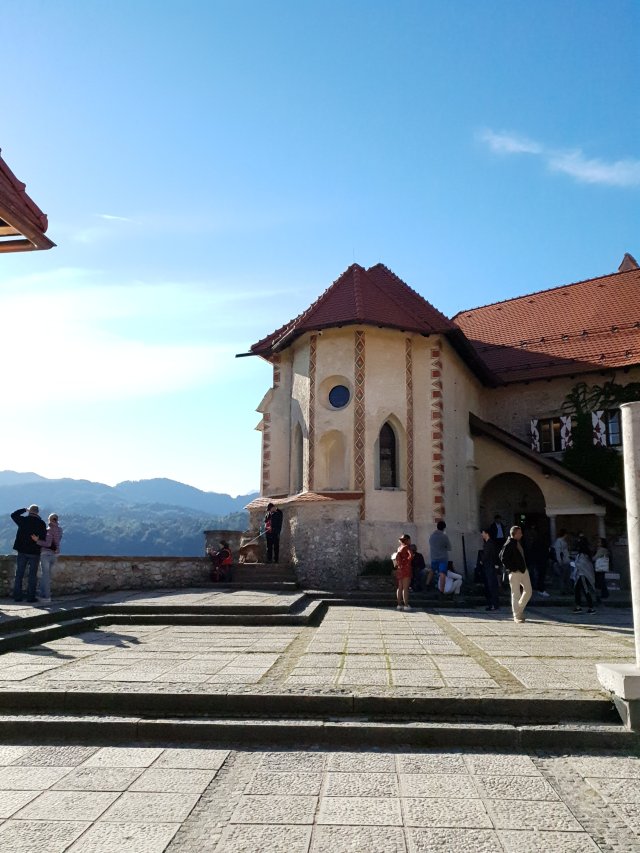
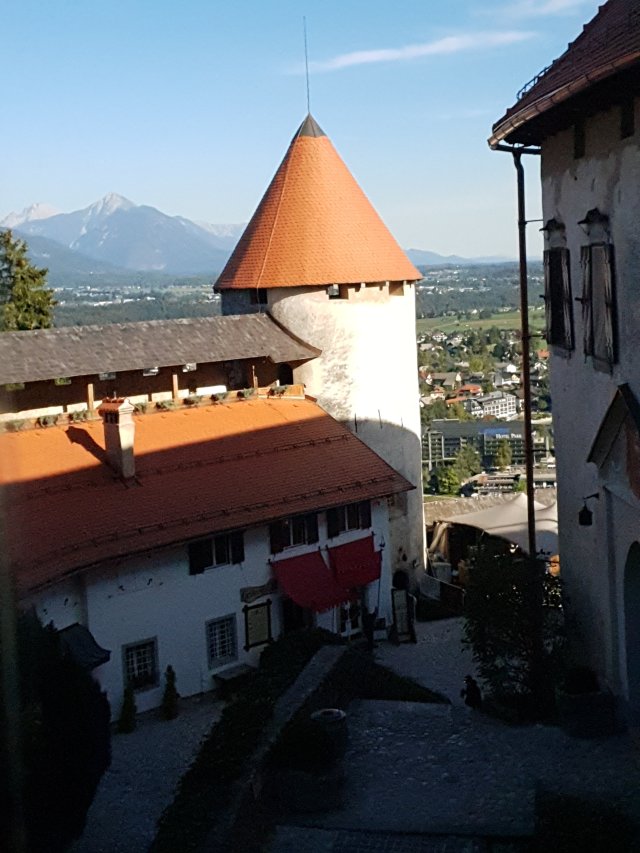
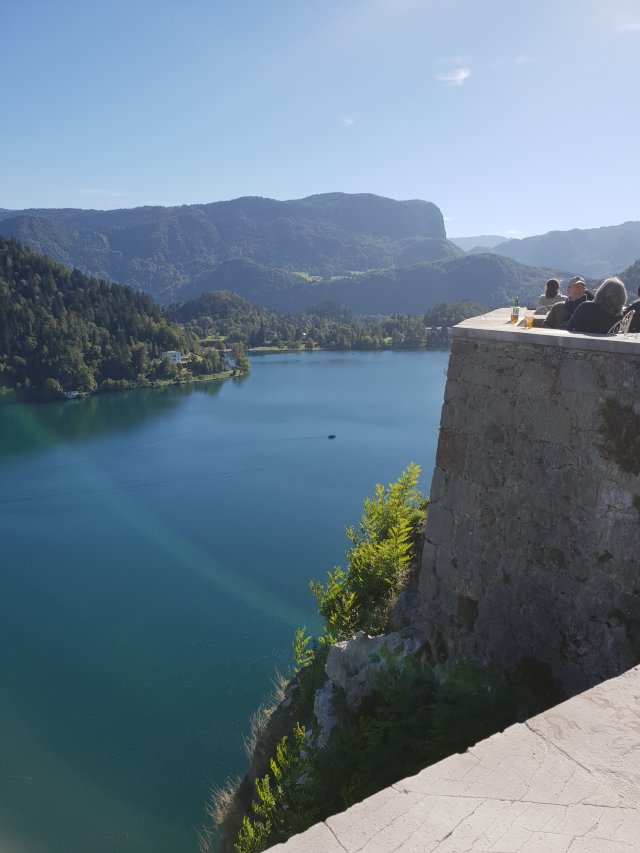
Another quick lunch, then off to walk the 4 miles around the whole lake, plus a long climb up to the impressively perched castle.

Fantastic views and some very interesting historical exhibitions. The castle has never been beseiged in it’s 900 year history. I wonder why.

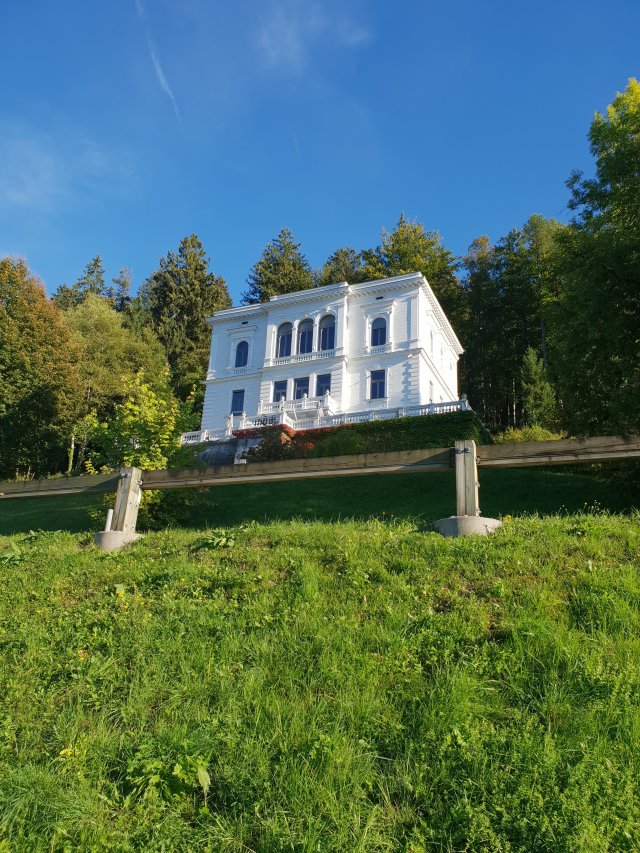
The lakeshore is dotted with beautiful 19th century villas, one of which was taken over as a summer home by President Tito, the communist ruler of the then Yugoslavia.

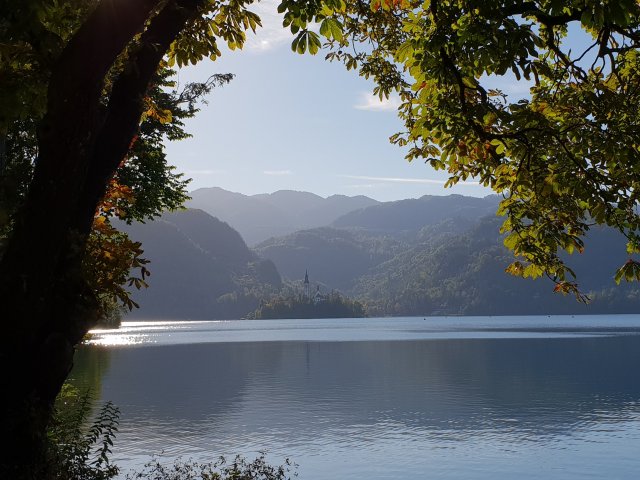
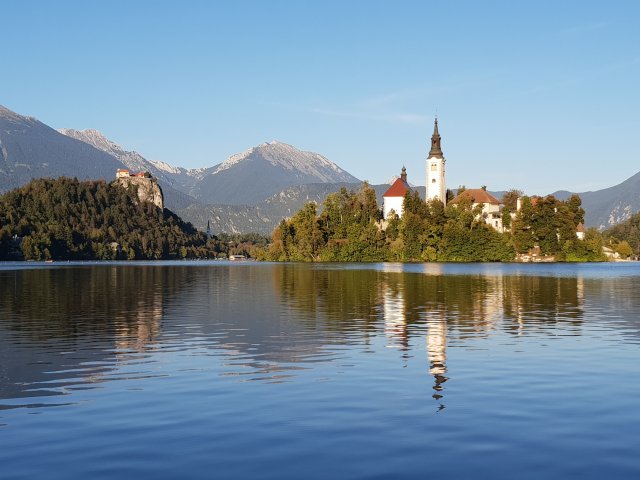
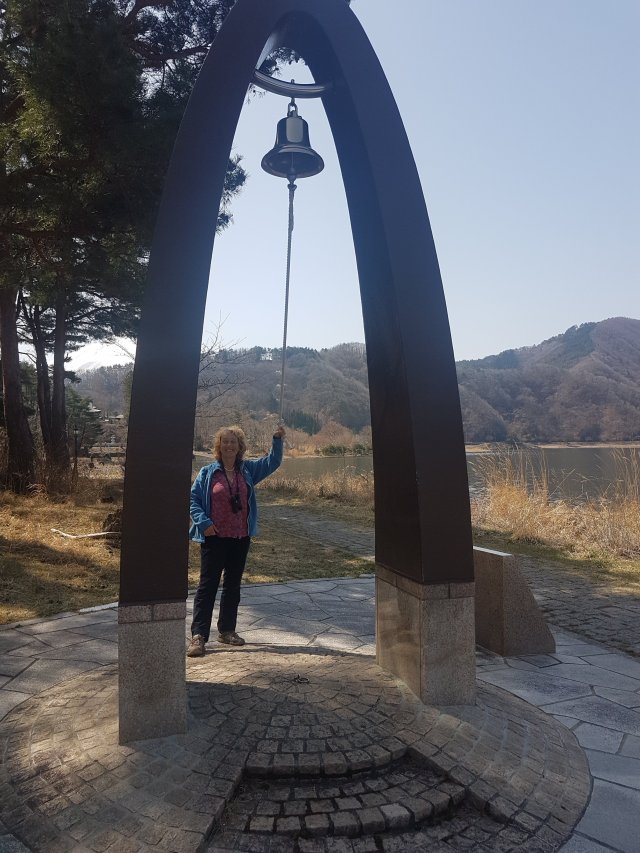
An island in the centre has a lovely church of the assumption. Visitors can ring the church bell to ask for a wish to be granted, so our walk was regularly punctuated by slightly discordant chimes!

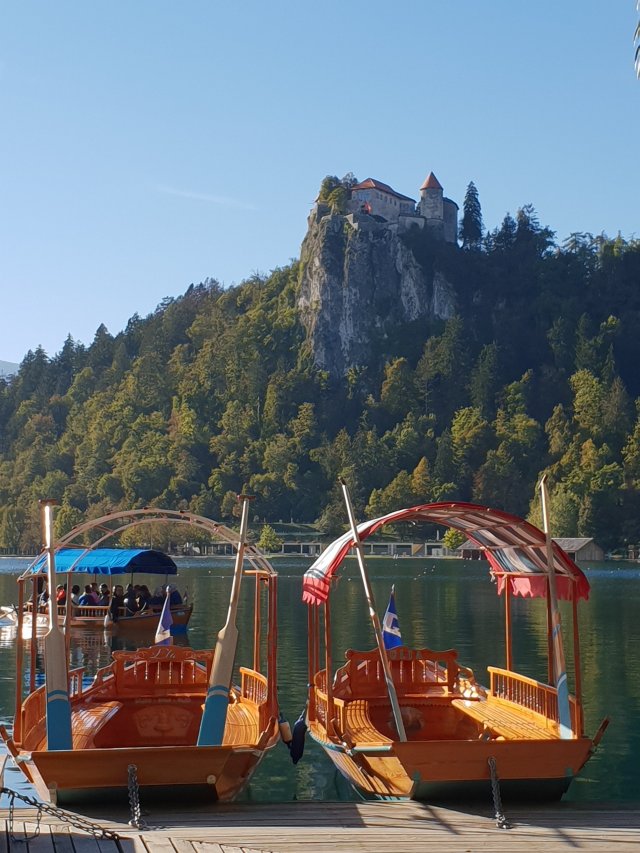
The only way to reach the island was to row yourselves.. maybe tomorrow…. or go in a traditional Pletna boat, propelled by a gondolier with 2 oars!

Great views at every turn on this walk. I am so glad I have a camera phone. A 12 shot reel of film would have been woefully inadequate!!

What an introduction to Slovenia. Magical, and the most photogenic place I have ever been to.

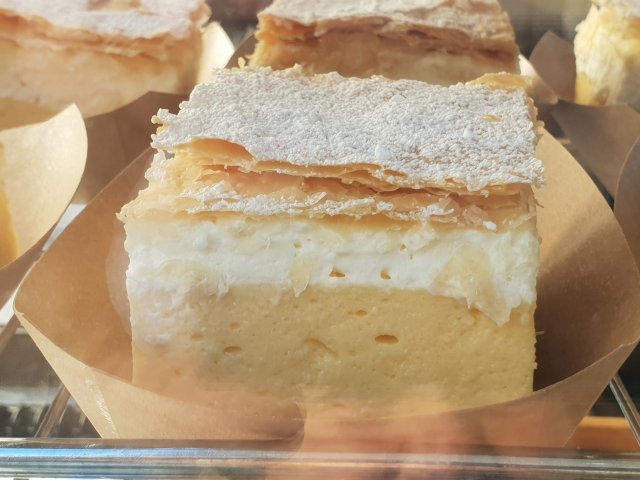
Tomorrow I am determined to eat the local Bled cake… a very very very unhealthy custard and cream slice!

Post 1 Autumn in Europe

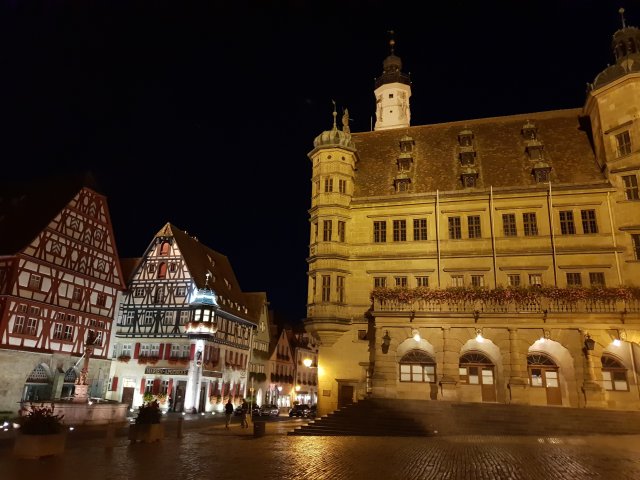
So, our first big Bimble in Boris this year saw us head across to Europe to explore some places completely new to us. After spending a good night on the carpark at the channel tunnel (we know how to live!), we caught the 6.20 shuttle and were on the road at Calais 40 minutes later. Just as well, because our goal was an 8 hour, 477 mile drive to Rothenburg ob der Tauber, on the Romantik strasse in Germany. That dealt with the worst of the driving in one hit.

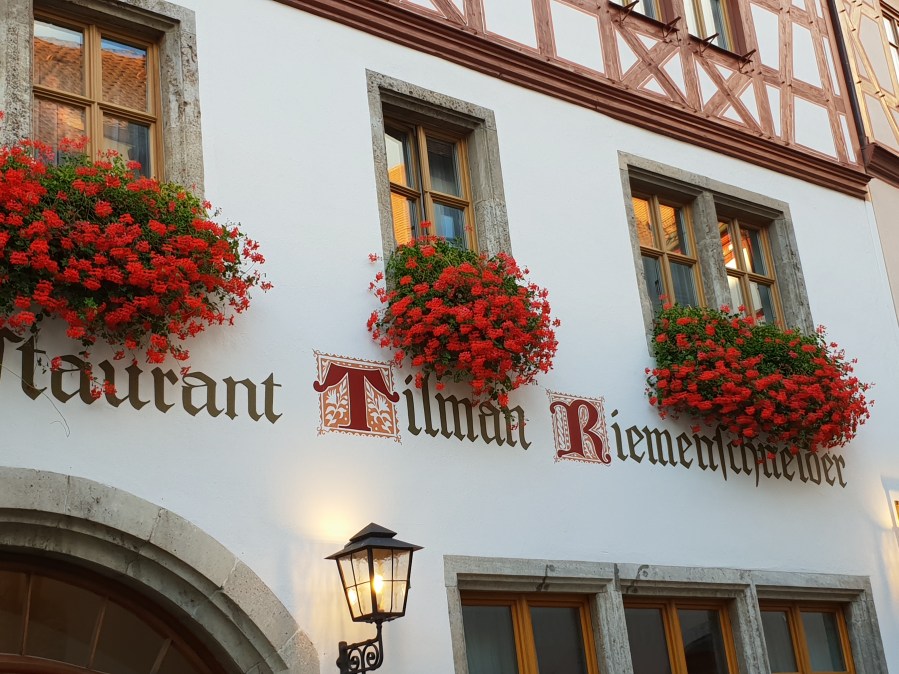
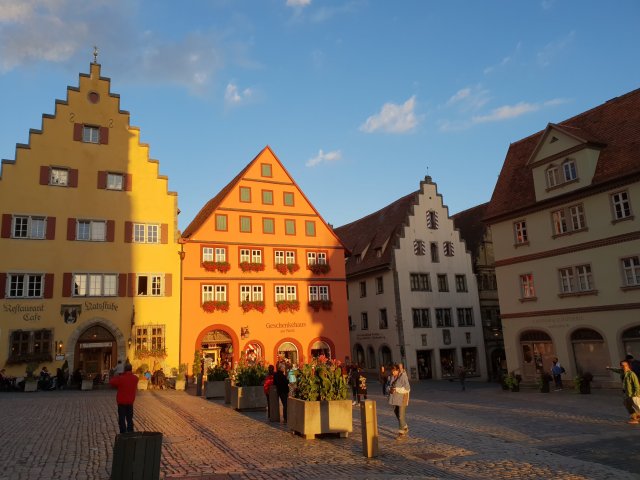
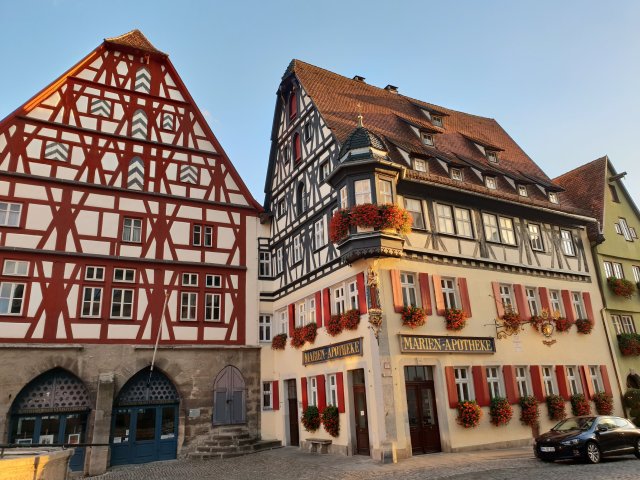
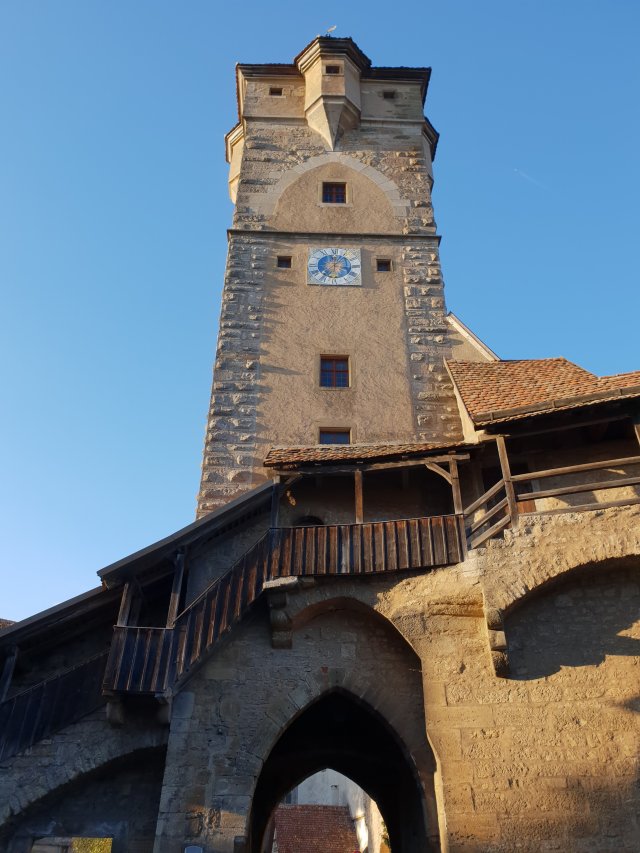
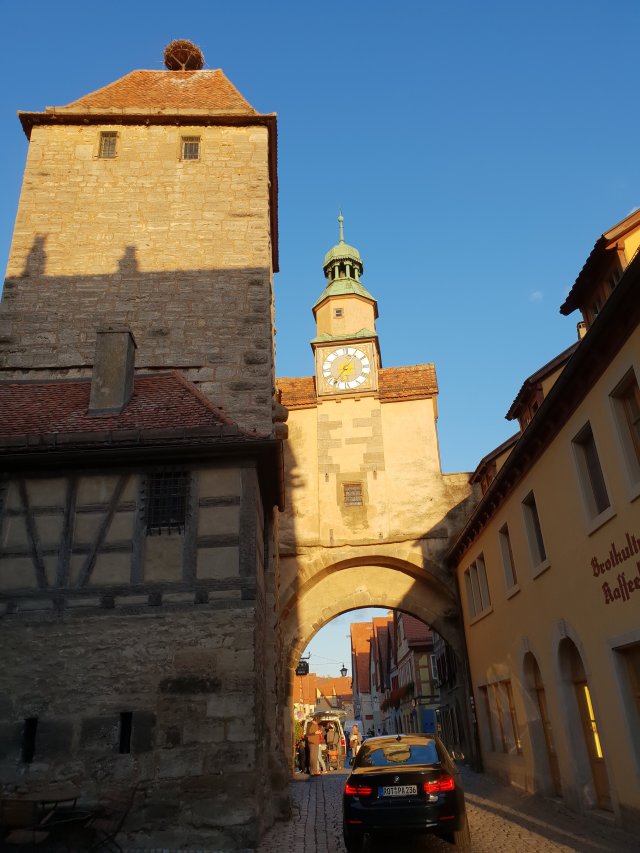
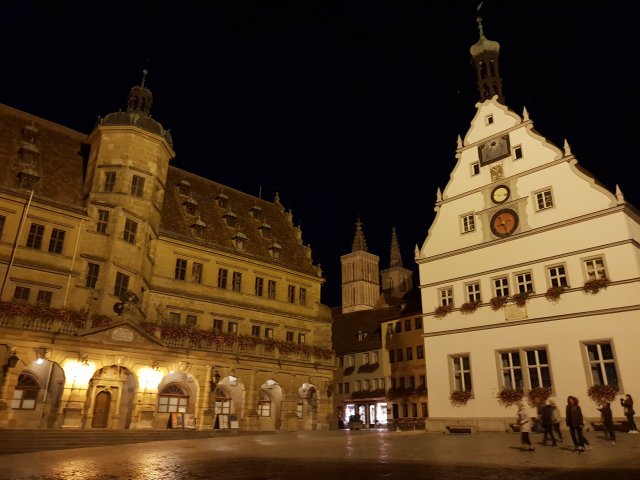
The Romantik strasse runs from Wurzburg, south to Fussen, and was a concept promoted after WW2 to bring tourism back to Germany. It is so pretty, and Rothenburg is one of its northern gems. A Mediaeval town, perched high above the valley, it entranced us at every turn.

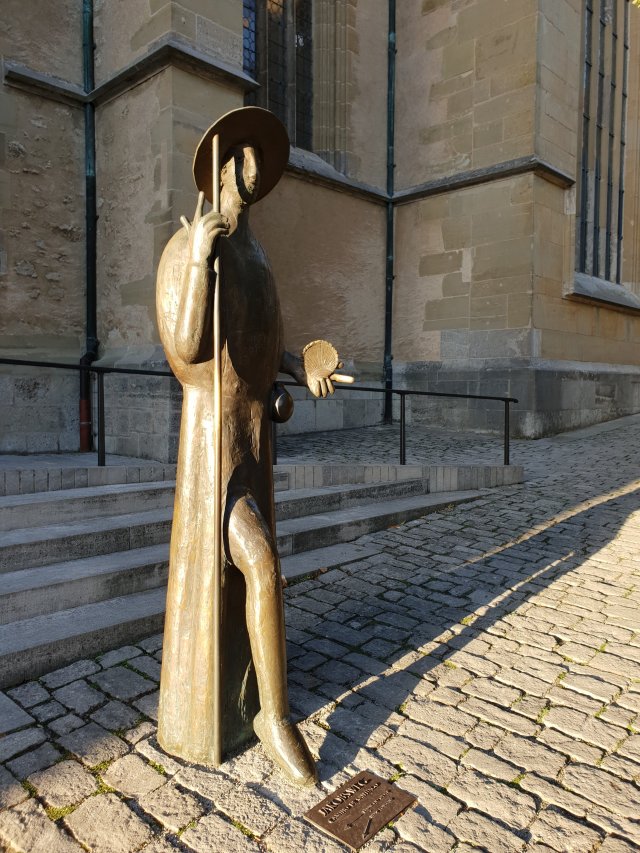
The parish church was interesting and is on one of the pilgrim routes to Compostela.

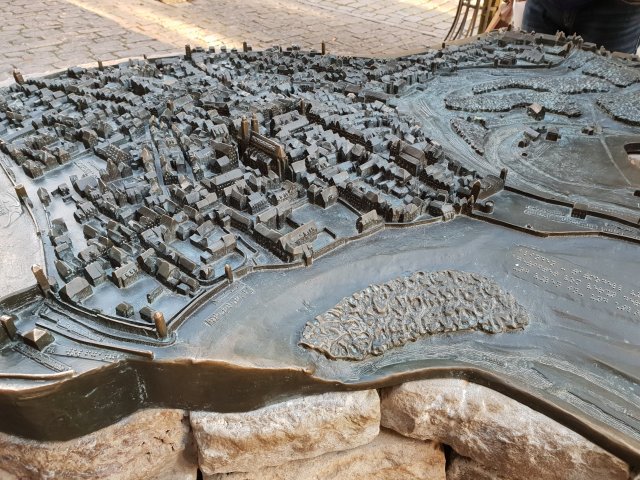
Another lovely feature was an exquisitely realised, bronze relief map of the town, captioned in braille so that visually impaired visitors could share in it’s beauty.

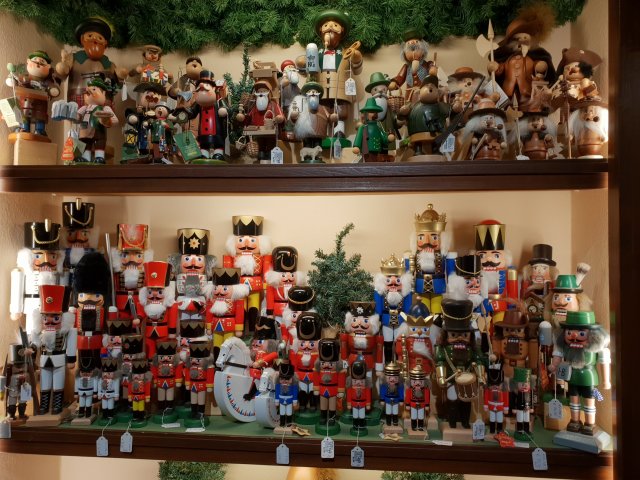
A big surprise was a huge Christmas museum, and some beautifully presented shop windows.

Spot the people to get an idea of scale!

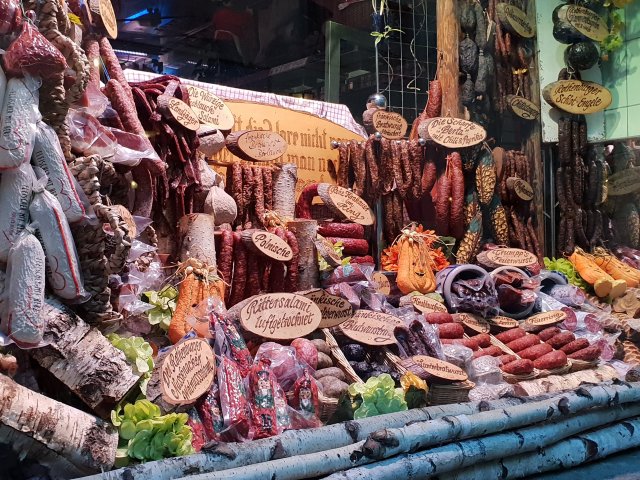
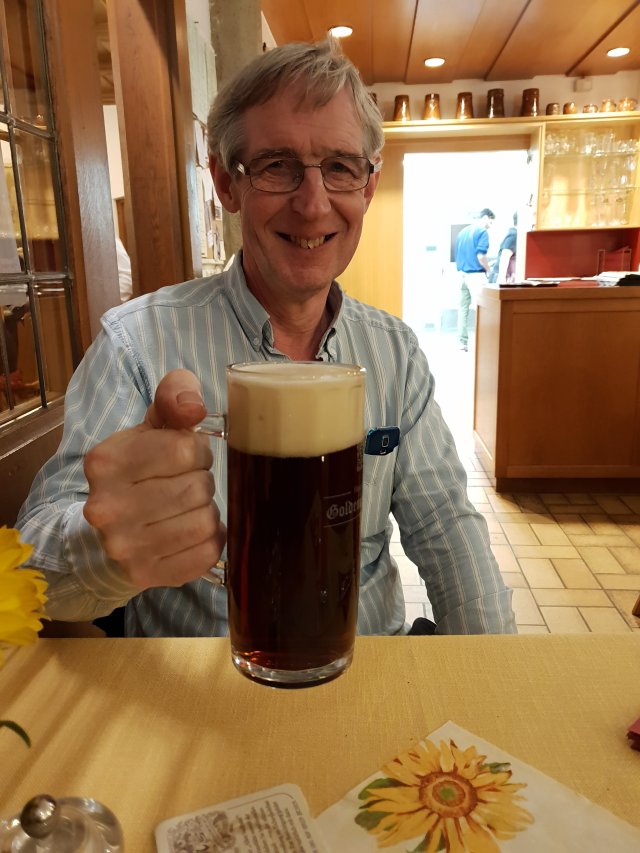
Great restaurants too! Chris was happy with his beer, and decided to fully embrace the local cuisine.. wildboar sausages, red cabbage and apple and sauteed potatoes.

The walk back to our lovely campsite showed another view of the town.

What a great start to our hols!

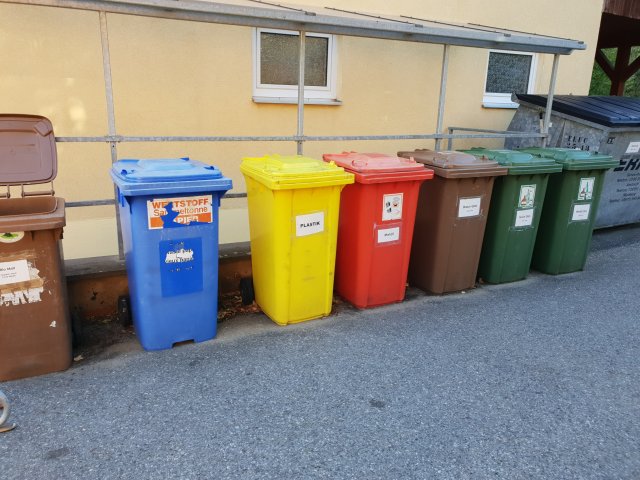
PS They seem to have got recycling colourfully organised here!

Post 27 Deja Vu Dubai!

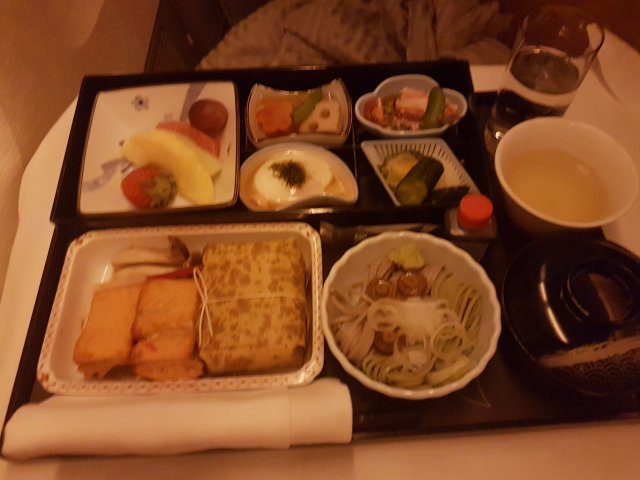
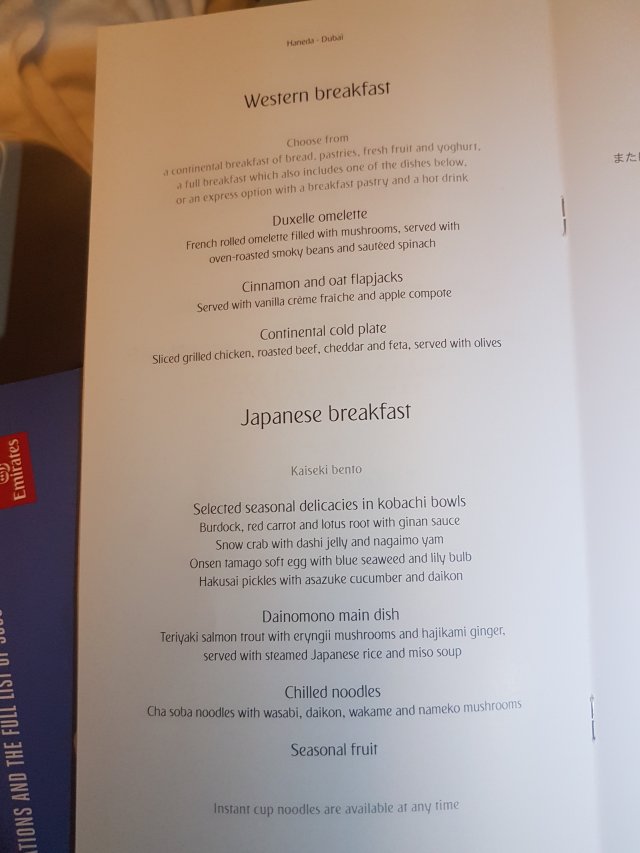
We arrived in Dubai at 7am (2am Japan time.) Excellent flight.. especially the incredible Japanese breakfast.

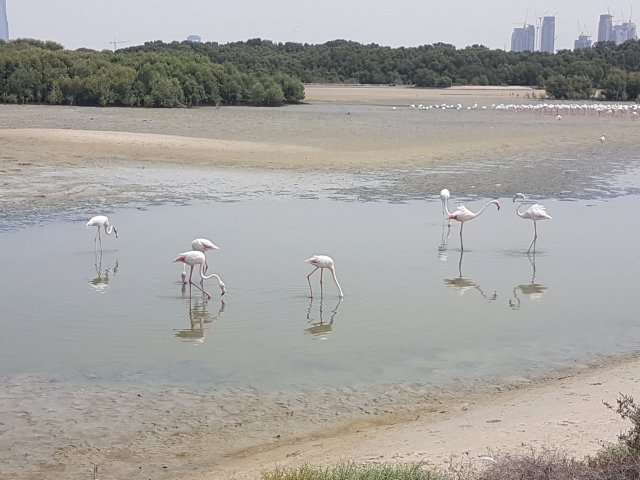
Chris stuck to croissants! In Dubai we were staying for 2 night’s in an Air BnB on the Palm belonging to Danna and Mike. Mike was our tour guide on day one, and we had booked another day with him to keep us awake! So we arrived at the apartment, did a quick change into shorts and set off, firstly to a bird watching area on the river, where there was a good variety of birds, including lots of flamingoes.

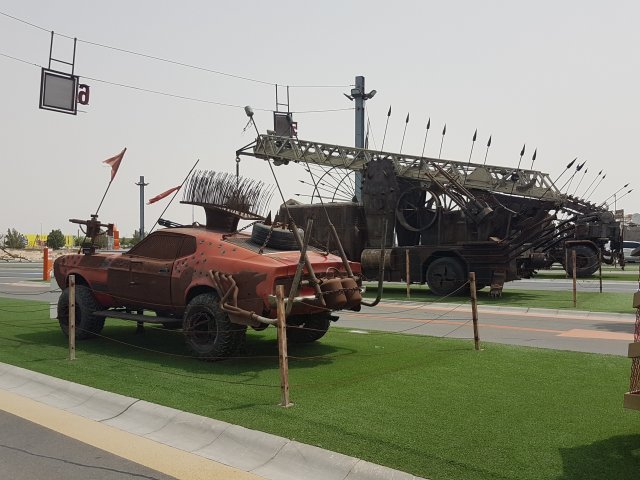
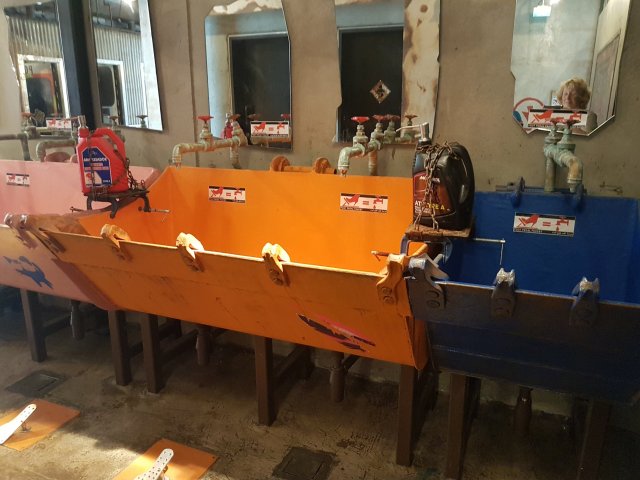
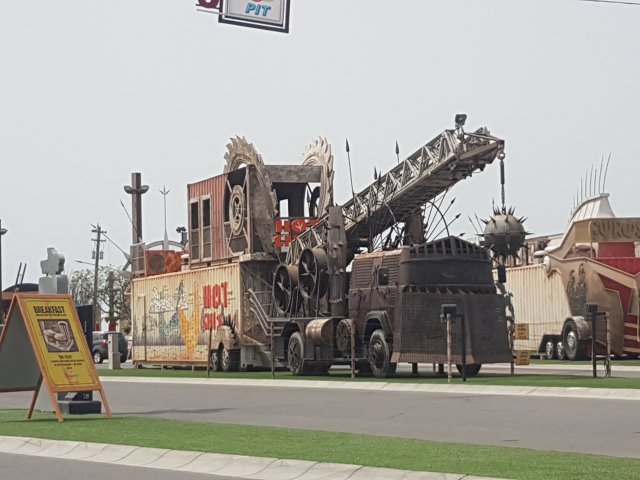
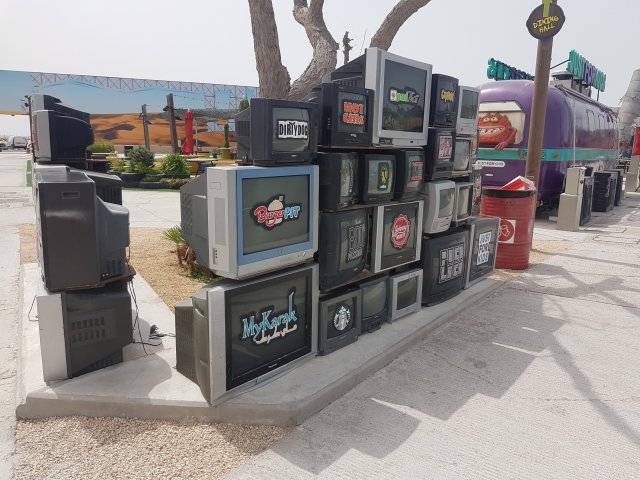
Then we headed to Abu Dhabi, another Emirate. En route we stopped at the Last exit services. Everything in Dubai must be different! This was a highway food stop with a difference. The main building, and all the food outlets were themed on Mad Max films. (Post apocalyptic fantasy which involved a lot of vehicle modification and cut throat survival!) It was eye opening!

The ladies washroom!!

Abu Dhabi is wealthier than Dubai, with more oil, and it was more elegant, with a less frenetic feel.

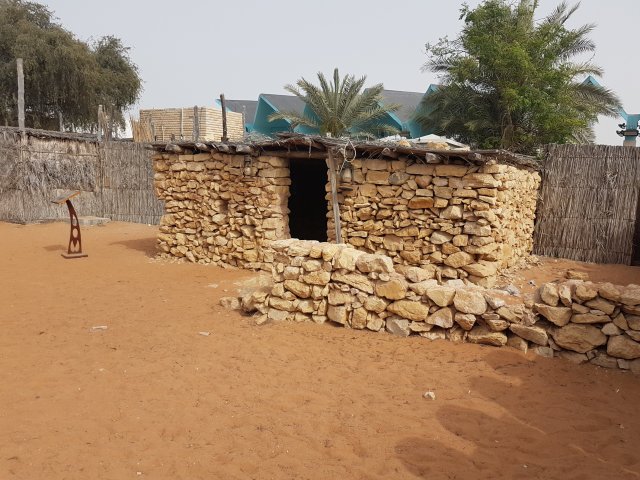
We first visited a heritage museum explaing how just 60 years ago this area was inhabited by fishermen and desert nomads!

A bit different now!

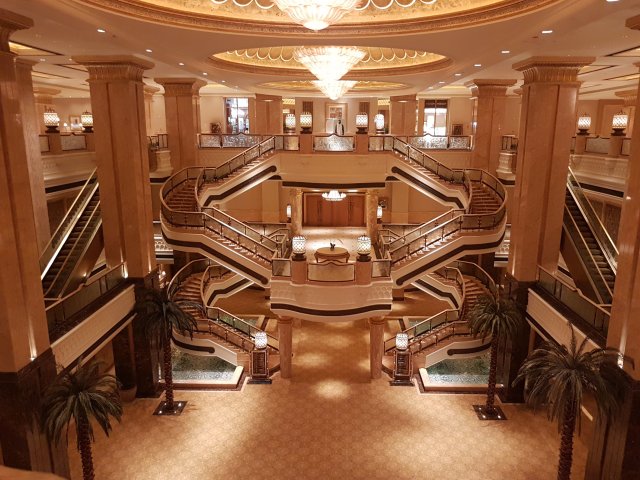
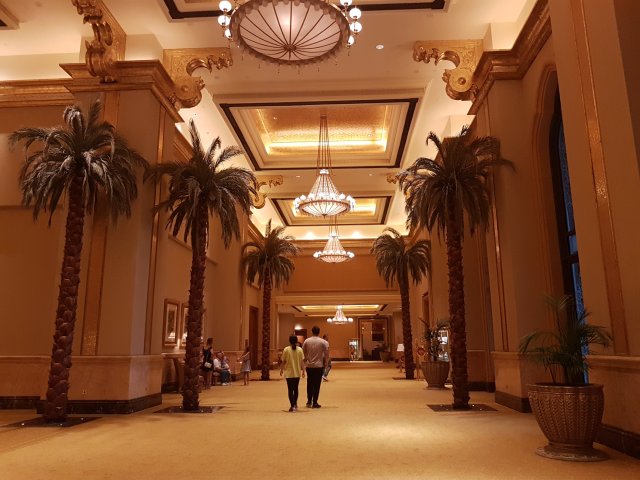
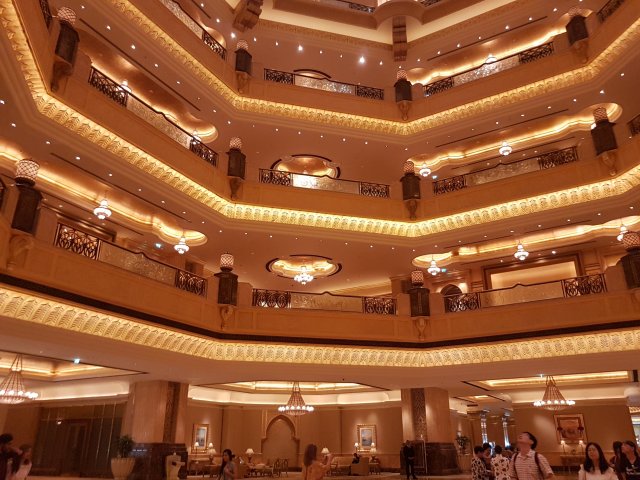
Then to the Emperor’s Palace Hotel.. originally built as a palace, and now one of the most beautiful deluxe hotels in the world. Real palm trees adorn the corridoors.. I’m wondering if there is room on the landing at home?!

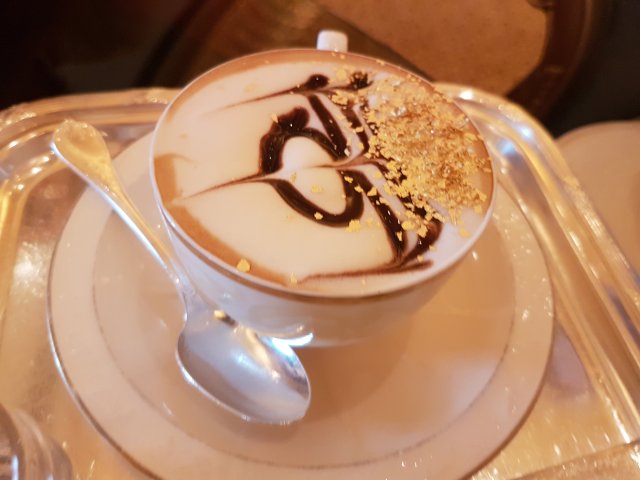
We lived the life having “gold” coffee in the golden lounge! Sprinkled with 23 carat gold.

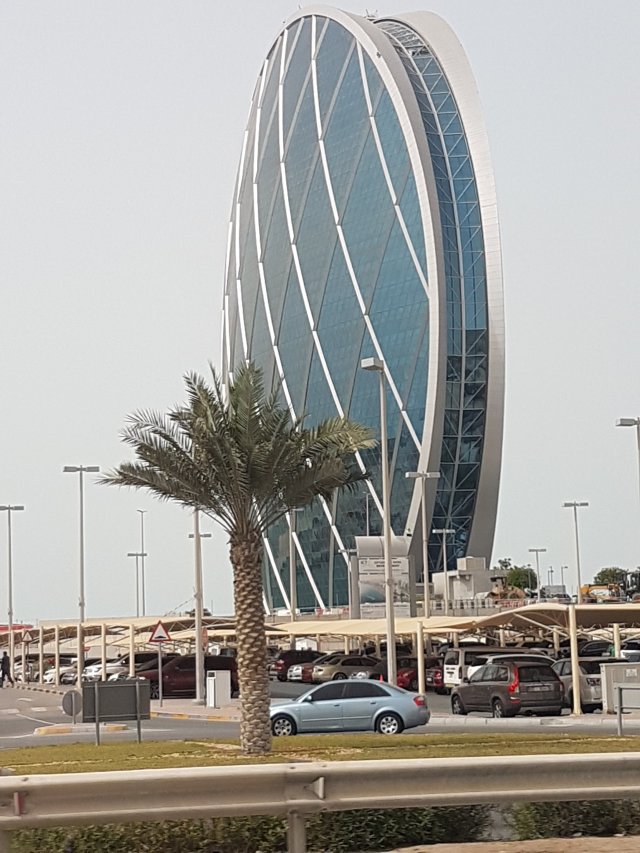
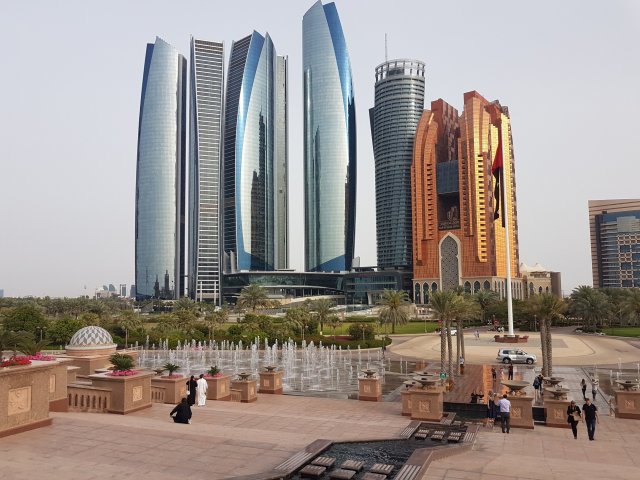
The skyscrapers are beautiful, and very individual. Apparently these 3 were used in a stunt in the film Fast and Furious!

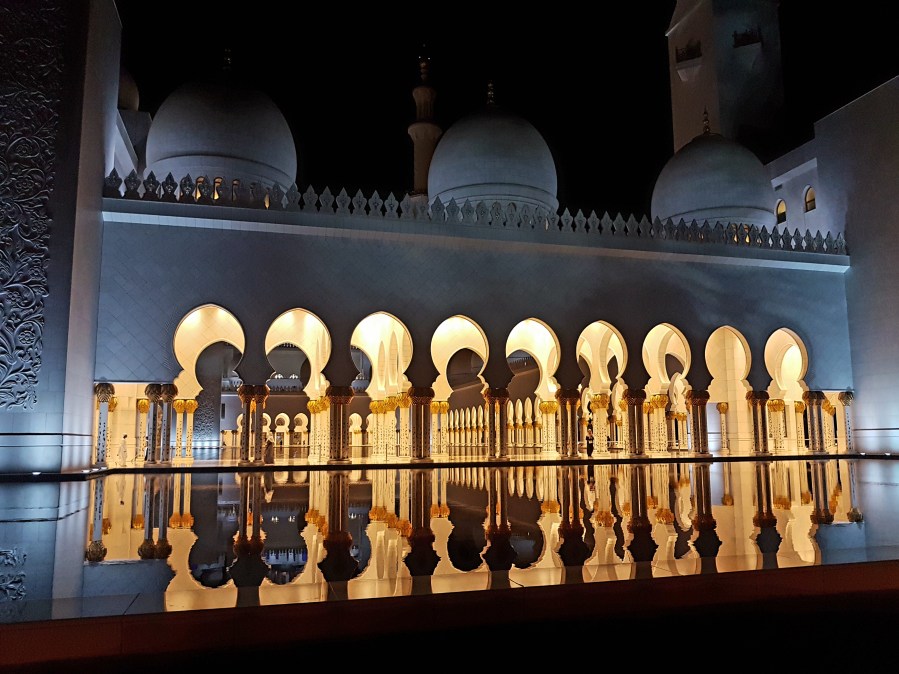
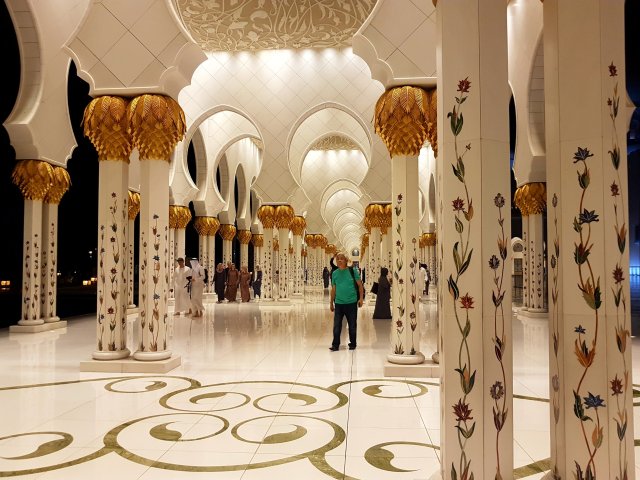
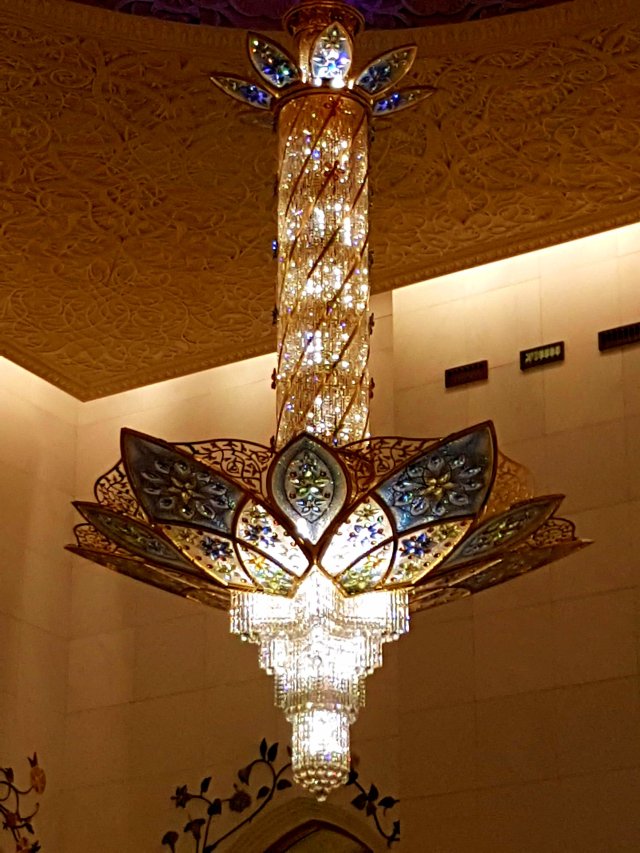
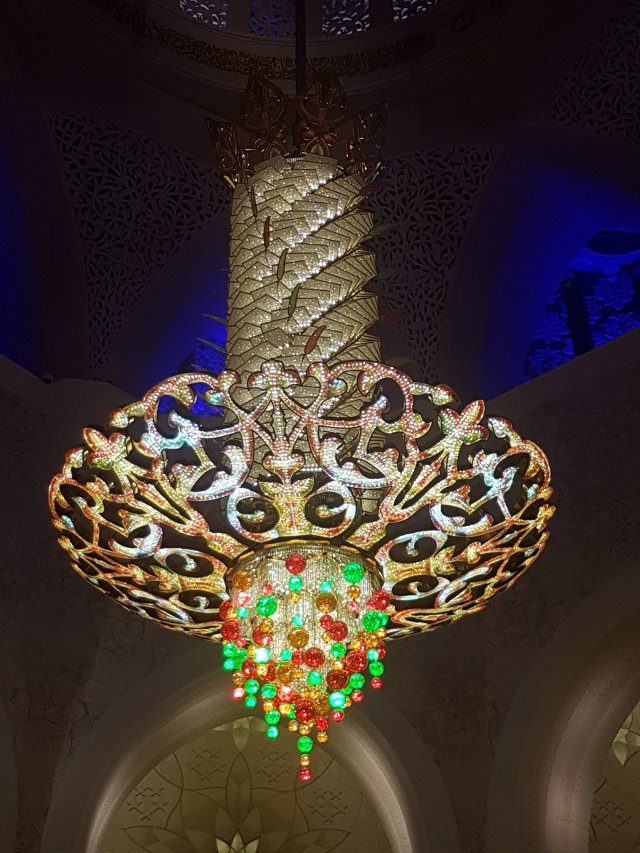
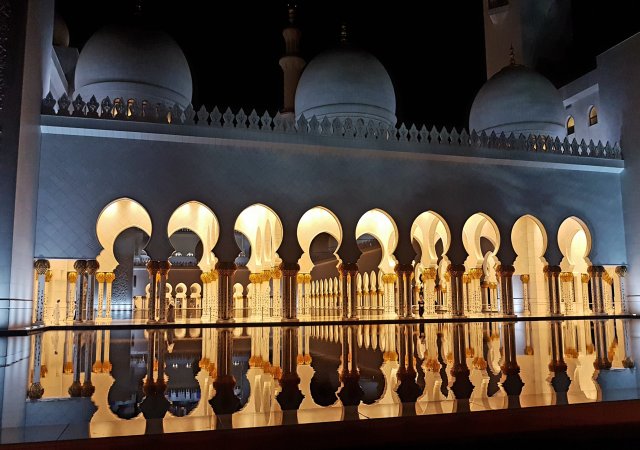
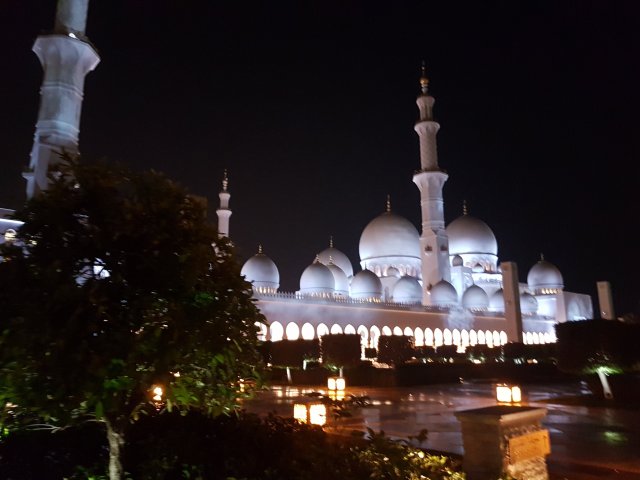
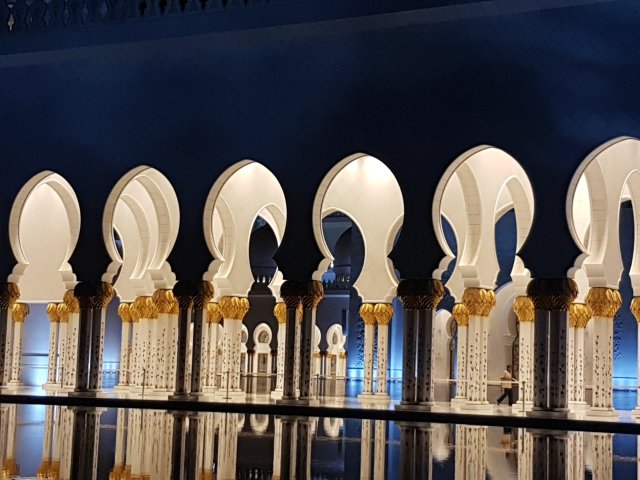
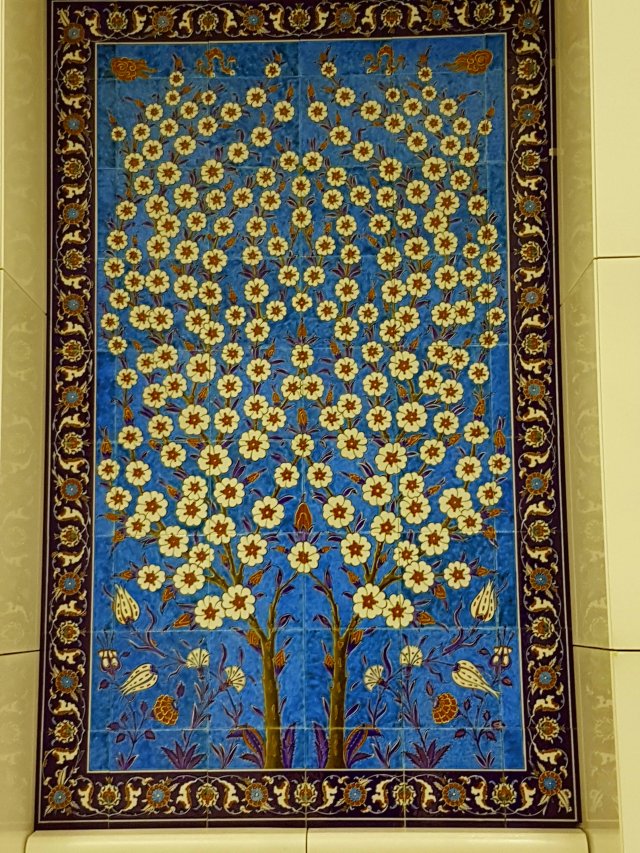
The most glorious stop was the mosque. Built within the last 20 years, it was enormous, and astonishingly beautiful. Almost everything you see in the pictures is marble, including the inlays on the floor, walls and pillars, or glass. The chandeliers are huge and sparkle in the light. Breathtaking.

We ended the day with snacks at an ethiopian restaurant near the BnB!

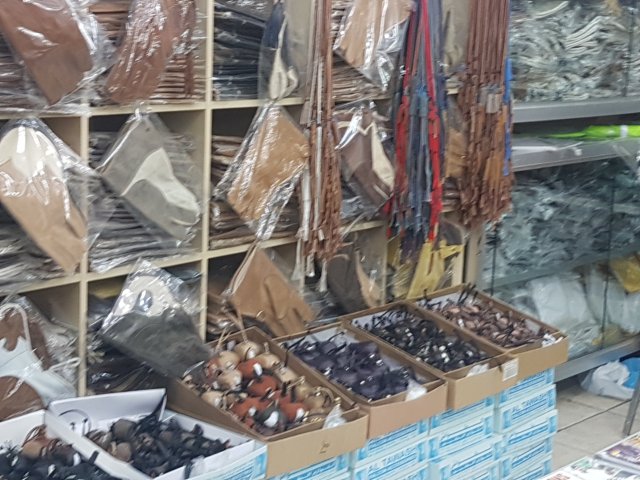
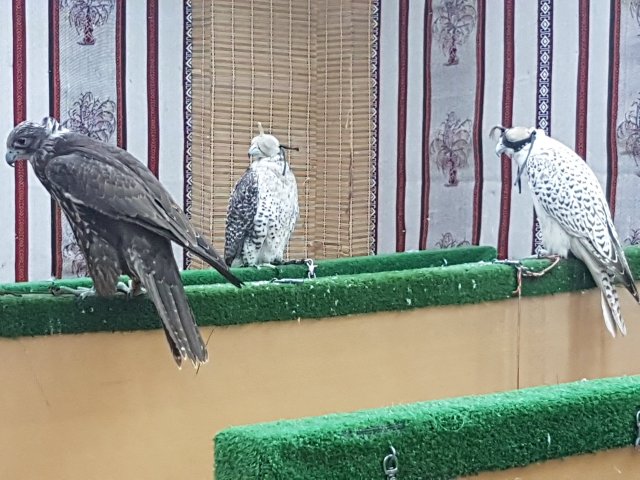
Next day we explored alone using taxis and the metro. Uber worked well. We visited the falconry museum to discover the ancient use of falcons and the bond between man and bird. Alongside is the falcon souk, selling…. falcons! Along with every accessory you can imagine! They are highly prized and therefore well looked after.

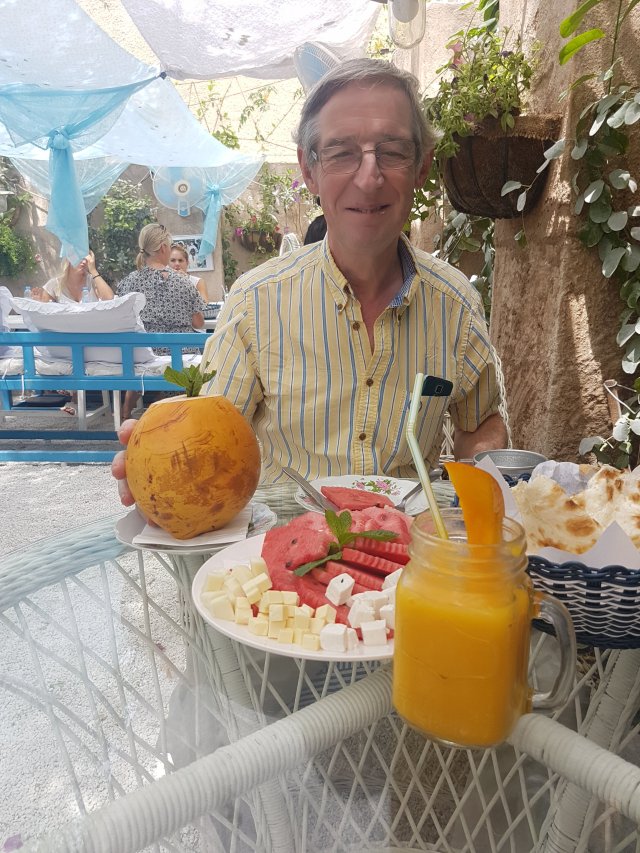
Then back to the old town, and a snack at our favourite cafe from last time – The Arabian Tea House. Fab!

A walk through the souk,

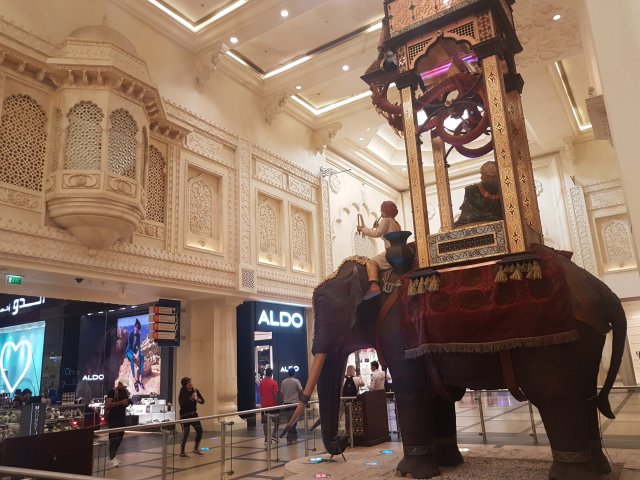
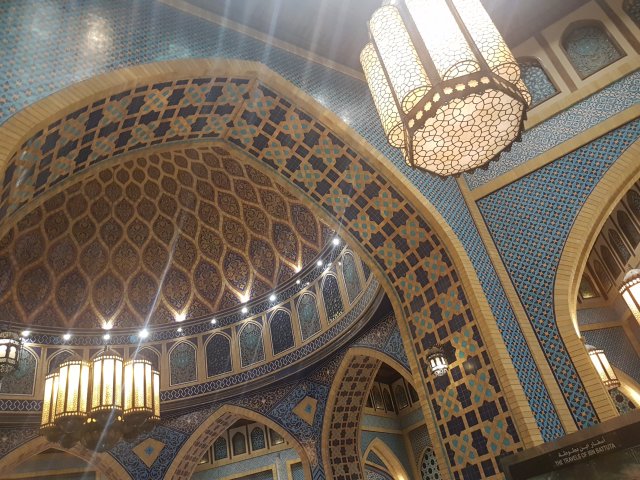
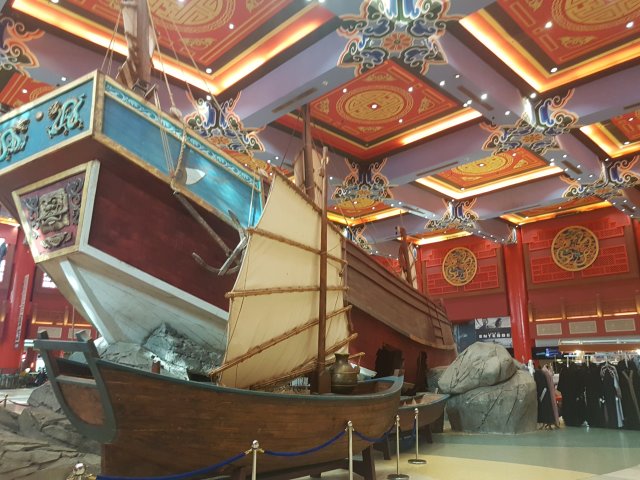
then the metro to Ibn Batutta Mall where you could be forgiven for thinking you were in a different country, as each area is geographically themed!

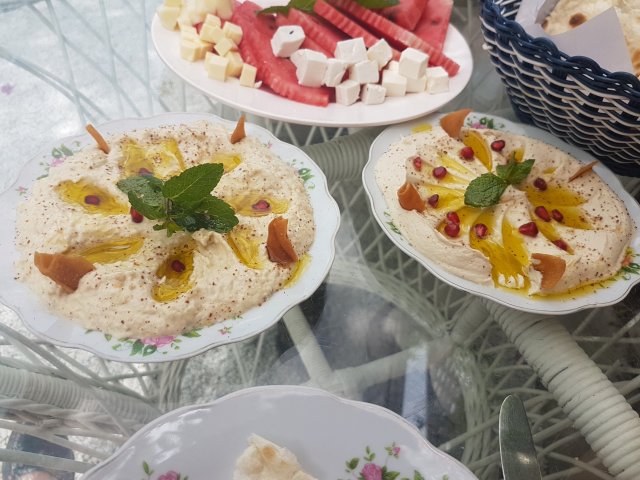
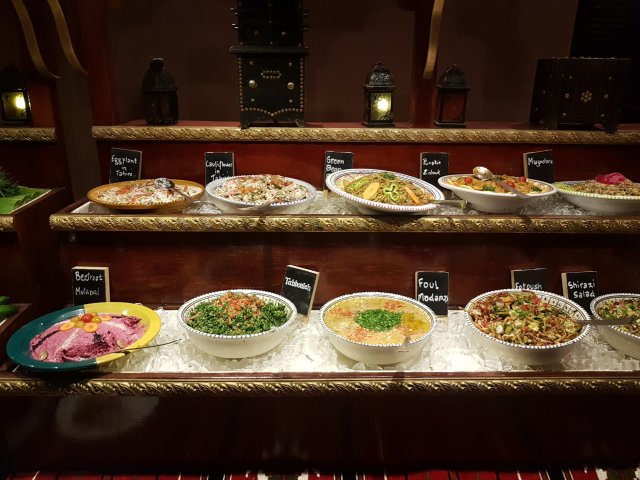
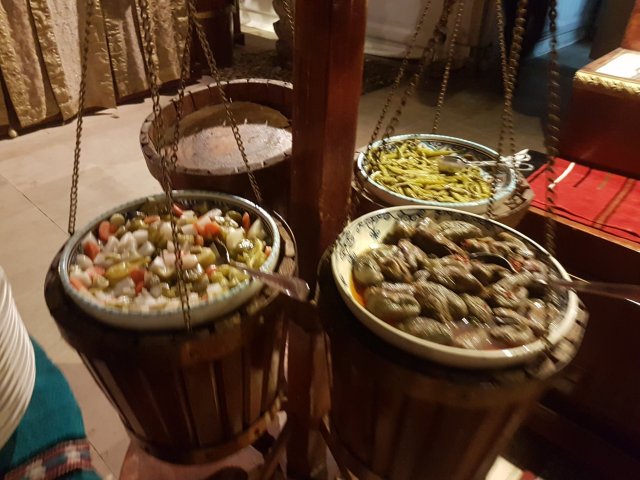
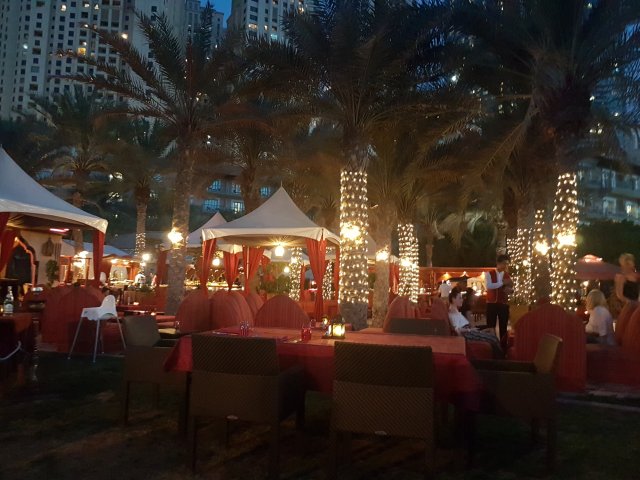
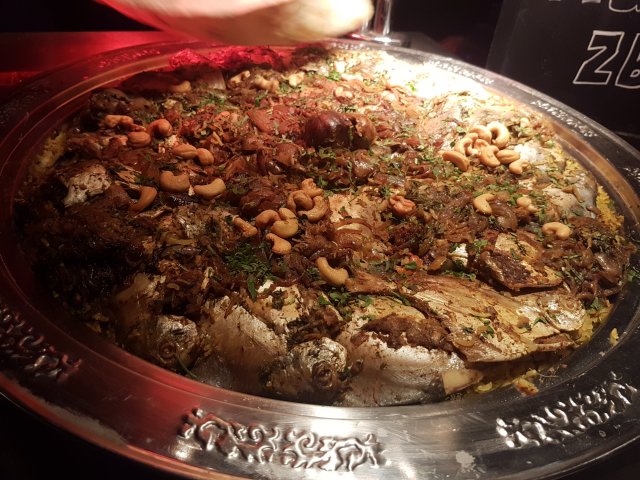
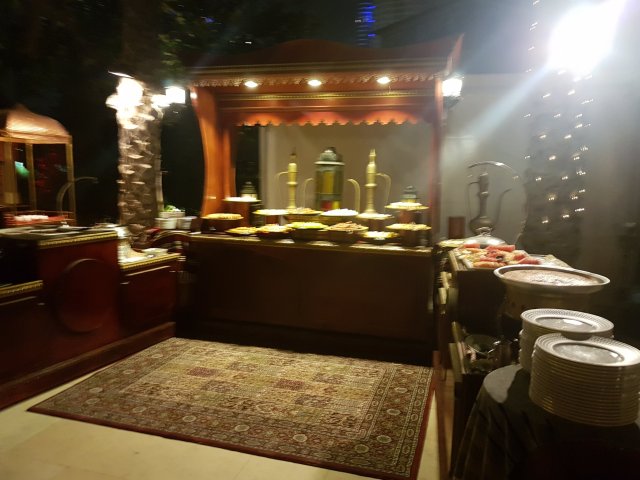
Our day ended with a Middle Eastern buffet at Amaseena restaurant at the Ritz-Carlton Hotel. Awesome array of traditional food, with chef Rani to explain what each one contained and how it was cooked. Delicious.

Now we are at the airport, waiting for our flight home and wondering where the last 3 months has gone!!

Post 26 Last days in Japan

To reduce the driving the next day, we drove for an hour at night to a michi-no-eki that seemed to be in the middle of nowhere …what will we find when we wake up!… After a very cold night…around freezing we think, we awoke to find we were on a huge plain and next to a very wide river! Now off to the mountains! We chose a route that climbed up through the Kiso valley, following an ancient Shogun route from Tokyo to the plain. The area is known for its premium quality cypress trees. The cold climate means slow growth. They can take 100 years to reach maturity, but then the tree is tall, with dense, high quality timber. In the ‘olden’ days, this timber was reserved for high ranking persons… anyone else cutting down a tree was beheaded.. or for lopping a branch you lost a hand!

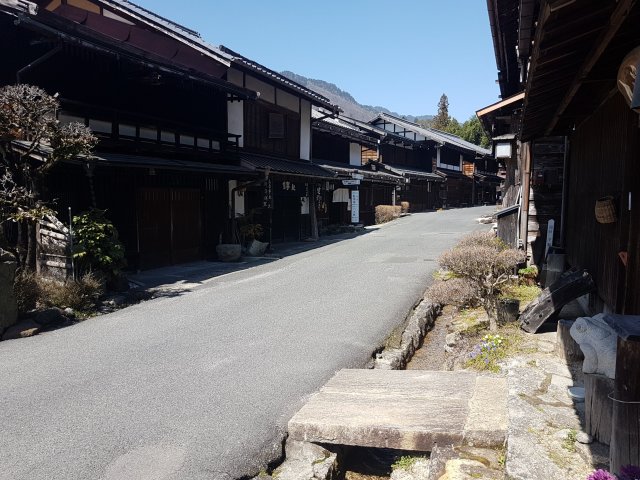
Part way up is a gorgeous village that has been preserved as it was. No TV masts etc!

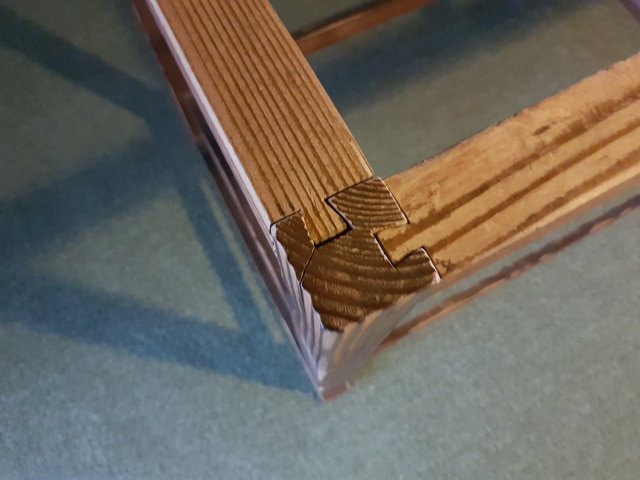
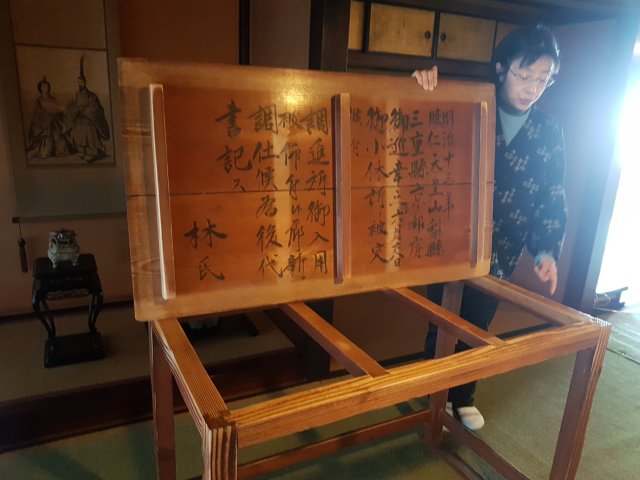
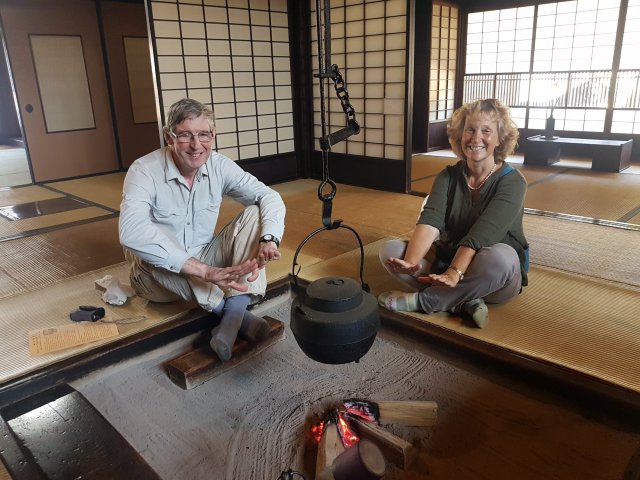
We had a lovely walk here, and visited the old inn, which is still owned by the 25th generation of the family. A charming guide adopted us and took us from room to room explaining everything. The Emporer once came to visit for 30 minutes. They had a special high table built, with no nails, so that the Emporer would always be above everyone else.

Afterwards, the owner inscribed the table! He also had a toilet built specially for the Emporer… who never used it. So it has never been touched since!

She also explained the family seating positions around the fire. The children had the coldest, smokiest place, so that they could learn to cope with hardship and be ready to face anything in life. Guess who got the best place!!!

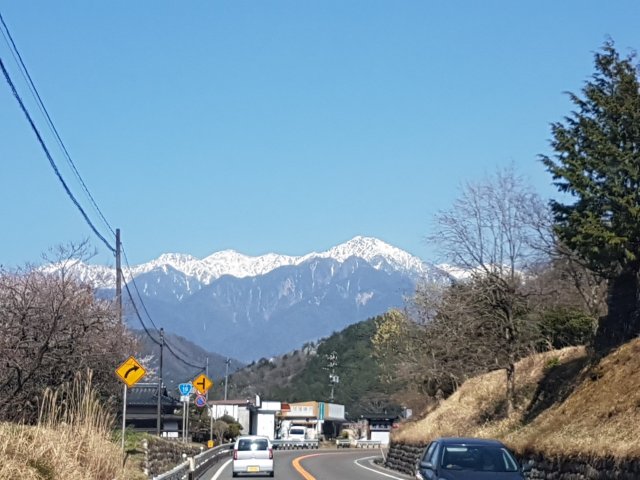
Then, we drove on, with tantalising views of the High Alps crowned with snow.

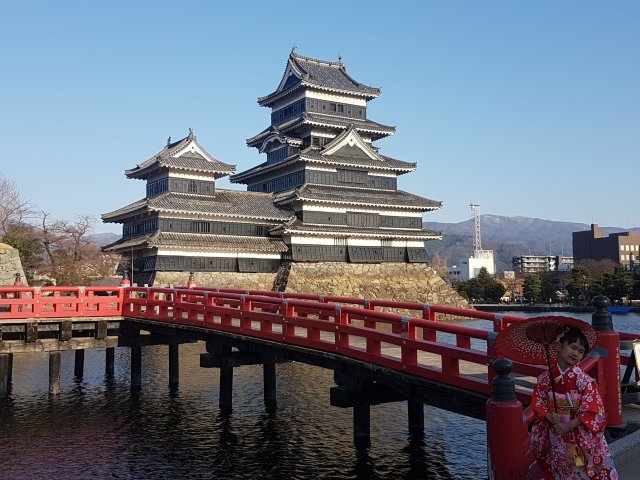
Our destination was Matsumoto and it’s beautiful castle, which would have towered proudly above the plain when it was built in….. The wooden construction of these castles is incredible, using wood like the cypress I mentioned before.

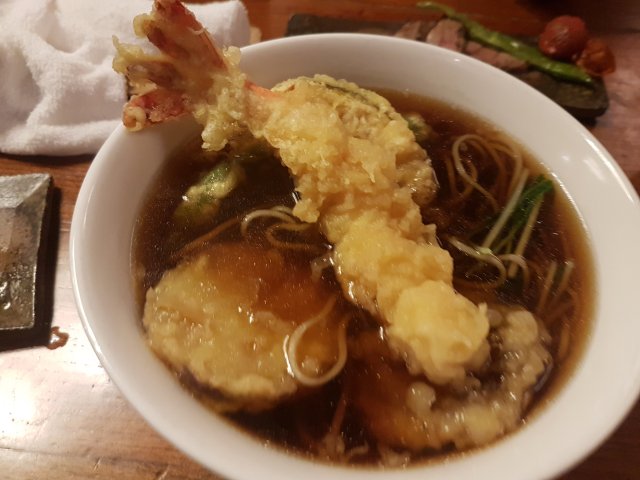
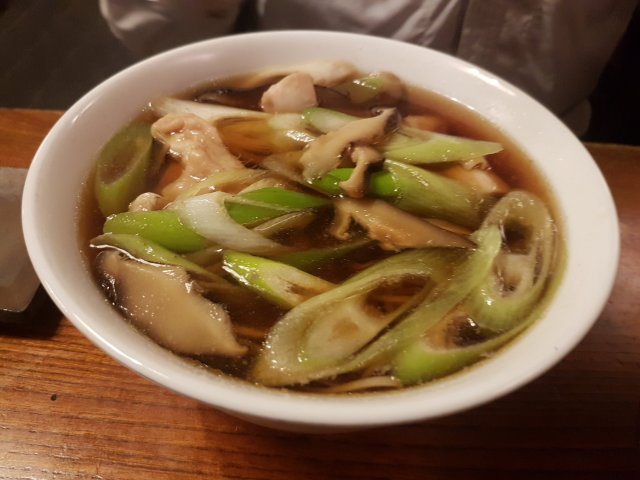
As dusk arrived, we sought out a small restaurant in the town, Kyobashi-soba, which served special soba noodle soup with additions on the side!

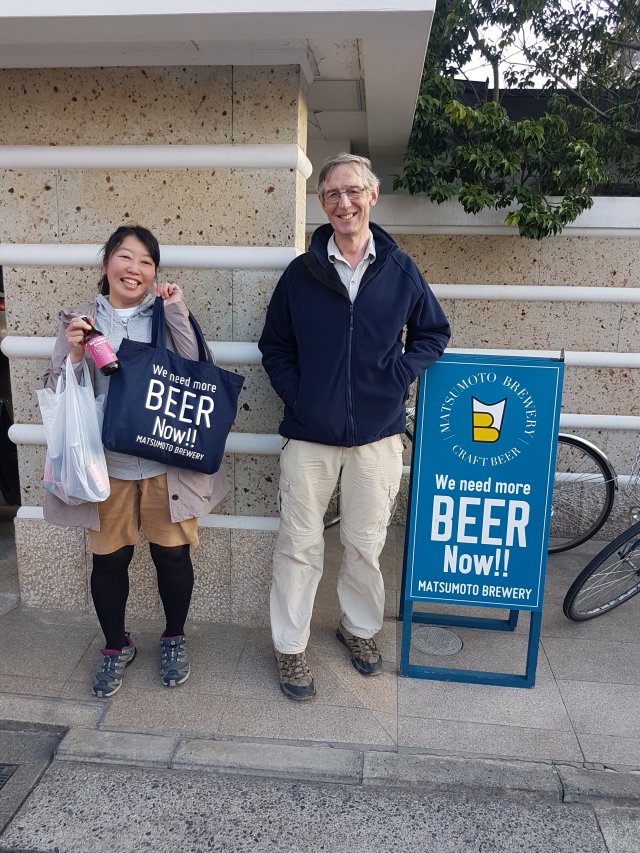
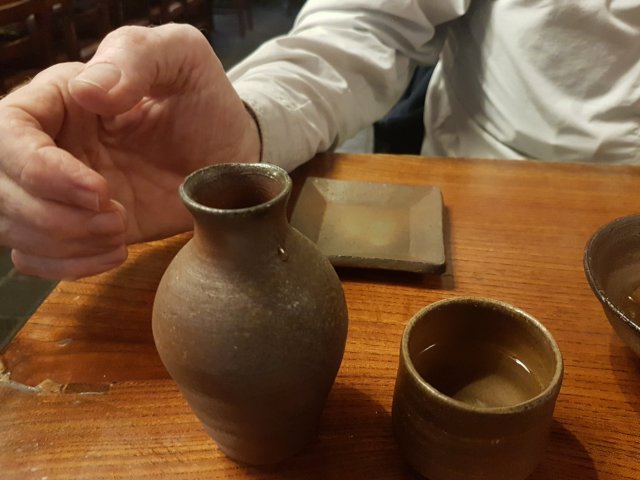
Chris hit the sake! Although we did find a brewery but it was closing!

Then 40 minutes drive to our next overnight. Brrrrrr. Really cold tonight. SO glad of the duvet!

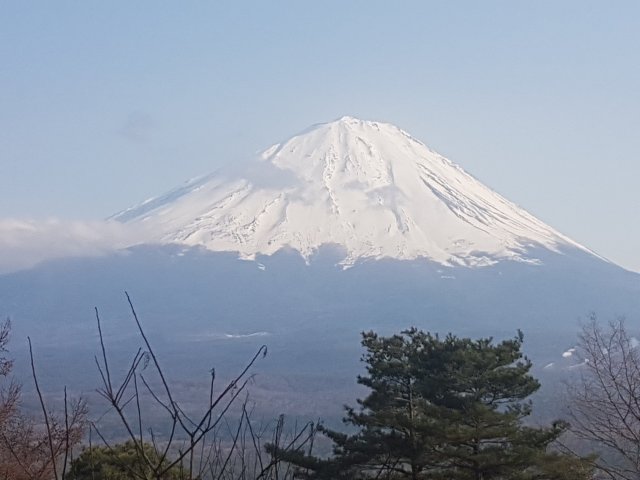
Next morning dawned crisp and we headed south to the 5 lakes area. As we drove, gradually Mt Fuji came into view. Wow, it is such an impressive mountain, and we are apparently lucky to have seen it, as it is often shrouded in cloud.

On arrival, our first stop was to be a challenge.

As someone who never gets undressed in front of anyone, has a very modest swimsuit with a skirt, and has spent her whole life avoiding communal changing rooms, this was right out of my comfort zone… but I was determined to do it.

We visited an Onsen. A hot spring bath complex. These are plentiful in Japan, but this one was special. It had a number of different baths, and some of them had a great view of Mt Fuji.

All the baths are between 38 and 42 degrees C. Some are indoors, some outside.

Now here is the rub… Onsen etiquette is strict. Men and women are segregated. Shoes in locker. Then you are given towels. Into the communal changing room where you strip off. Completely! Not a swimsuit or anything allowed. Then you wander into a communal washroom where you sit on a wooden stool and wash yourself thoroughly. Now you are ready to go to the pools. Each one hold between 4 and 8 people. They are landscaped, with rock seats, waterfalls etc. You can wander freely (and did I mention nakedly) between them! It was lovely to see groups of elderly ladies nattering in one pool, two mums and their little daughters in another, 3 teenagers giggling in a third. And I did it. I visited 6 pools. Chatted to several people… mainly in sign language! … and forgot my modesty. Would I do it again? Yes I would! No photos allowed…thankfully!

Next we set off for a walk by Lake Saiko. Did I say ‘by’? I meant UP a big hill onto a high ridge with views of Mt Fuji.

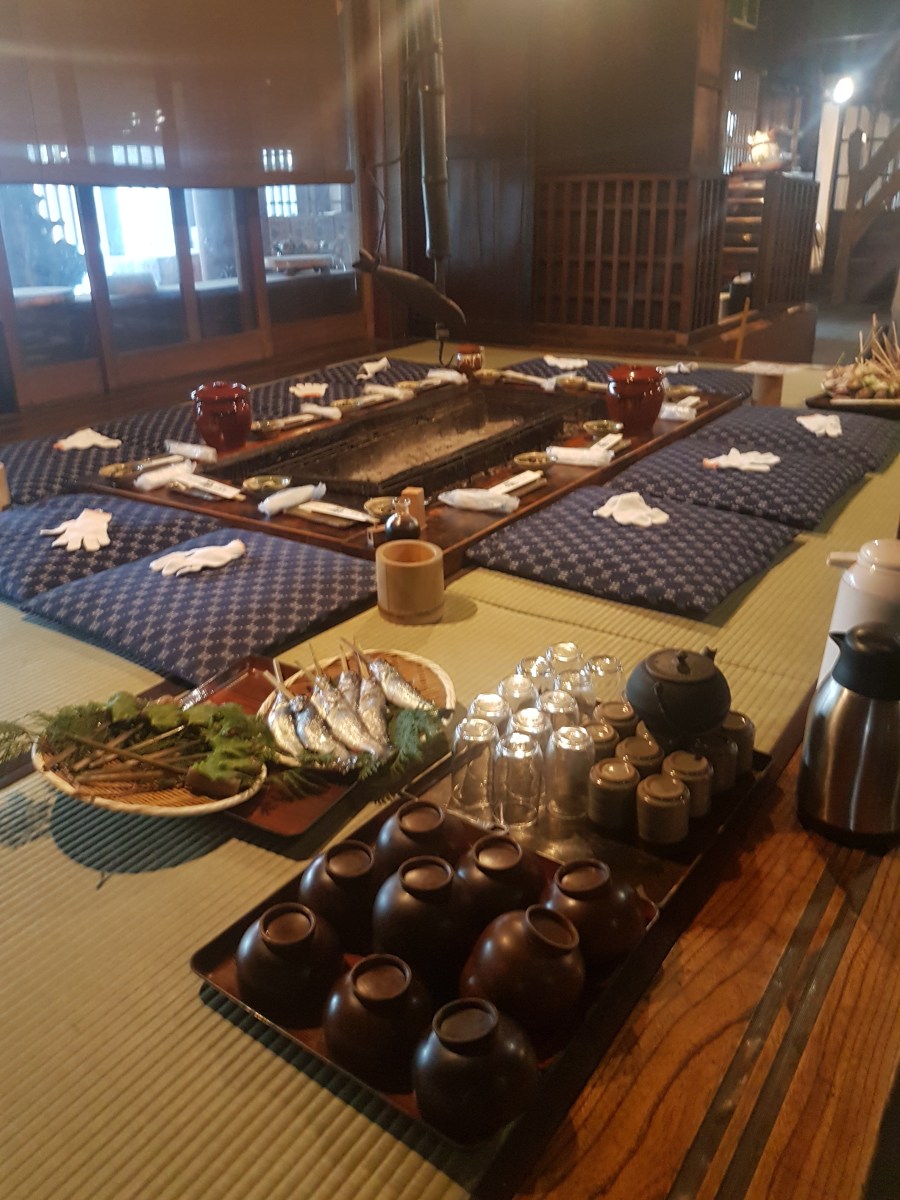
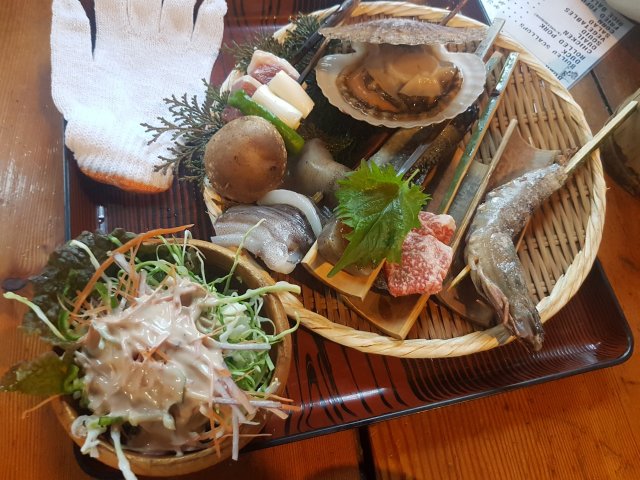
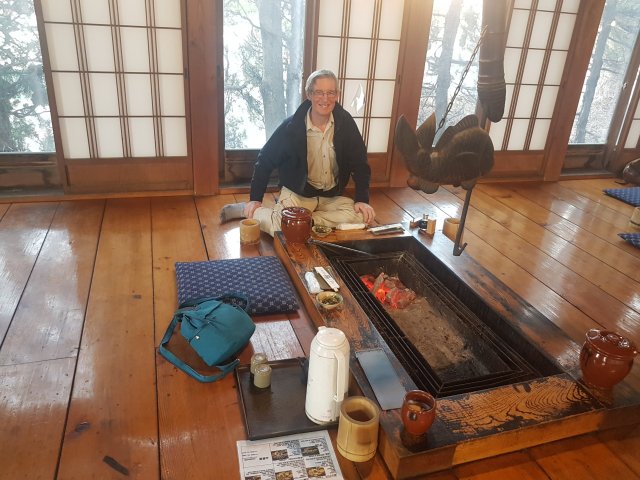
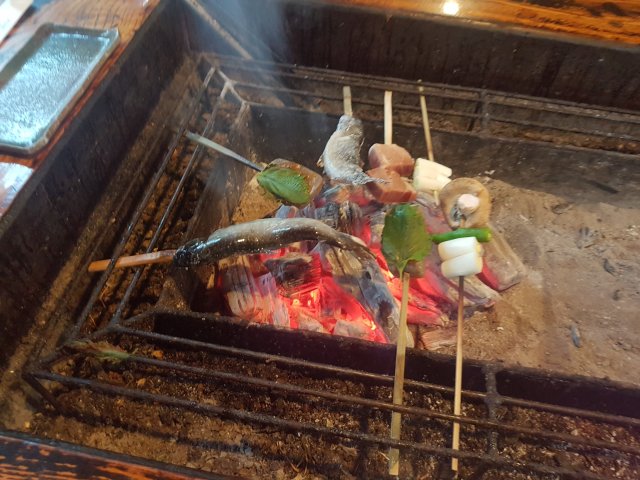
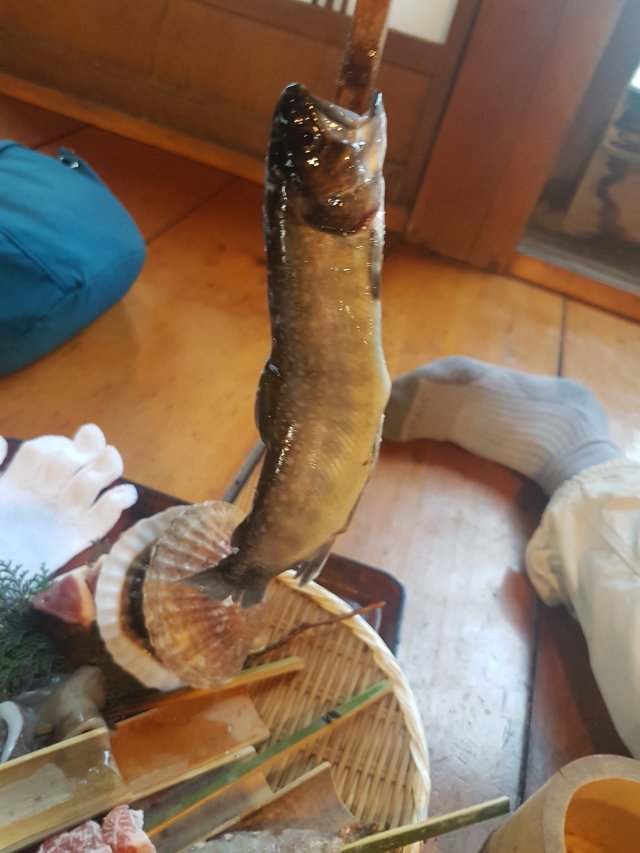
That evening we stayed at a great michi-no-eki beside lake Kawaguchiko. A search for food led us to , a traditional restaurant in a 300 year old building where we sat on the floor and grilled our own food. Beef, duck, boar, whole fish, huge shrimp, quail, squid and veg! Then they appeared with a small vat of veg and noodle soup. Scrumptious.

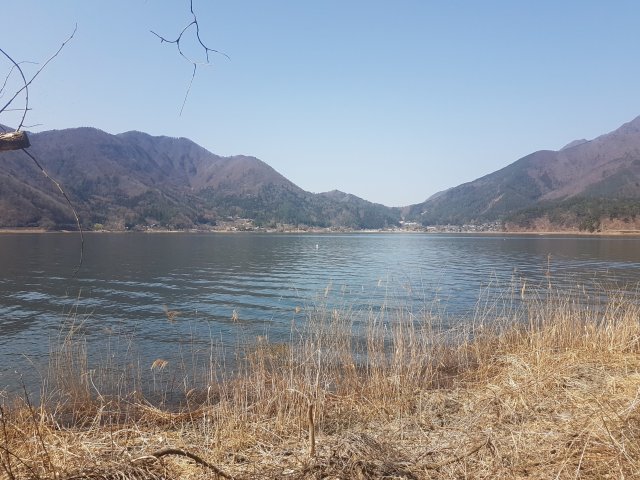
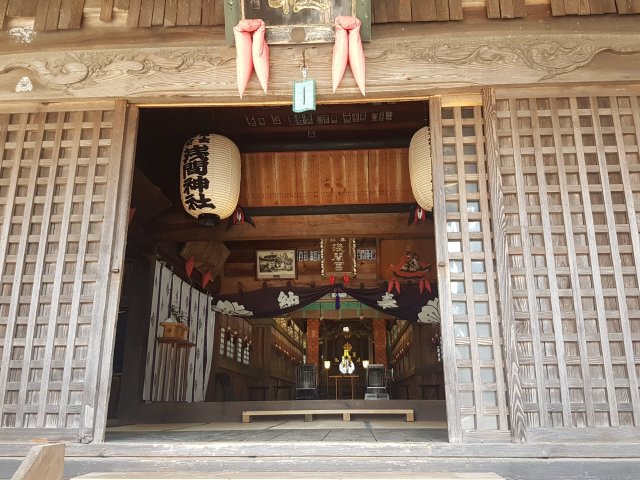
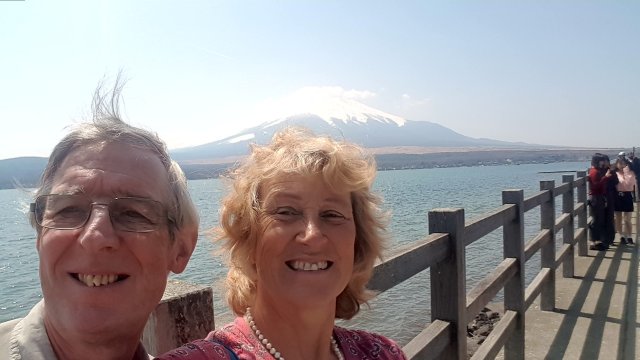
Next morning Easter Sunday. We did a lovely walk along the lakeside to a shrine, and then drove on to Lake Yamanakako which, despite the haze, looked great with Mt Fuji in the background.

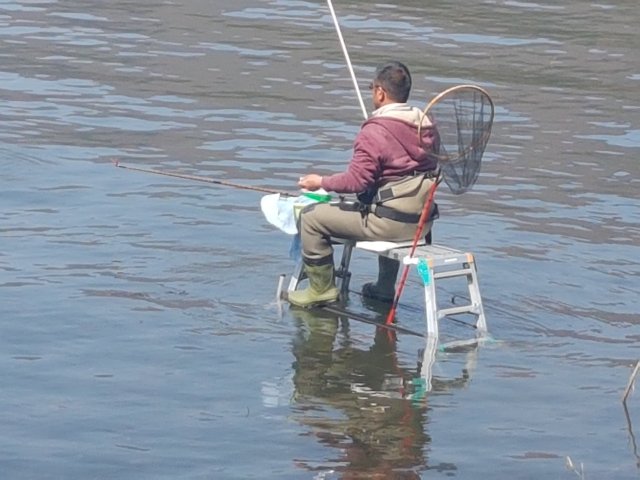
Great use for stepladders!

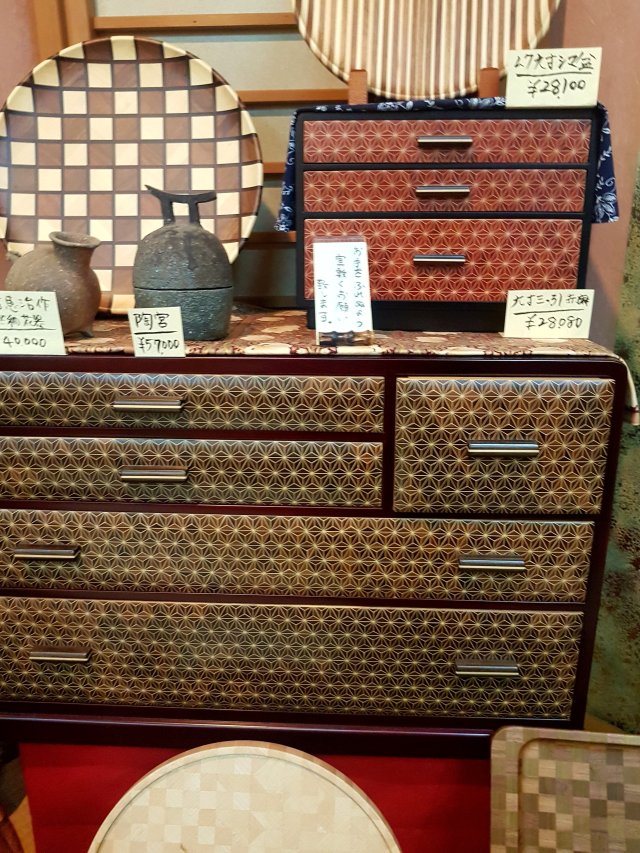
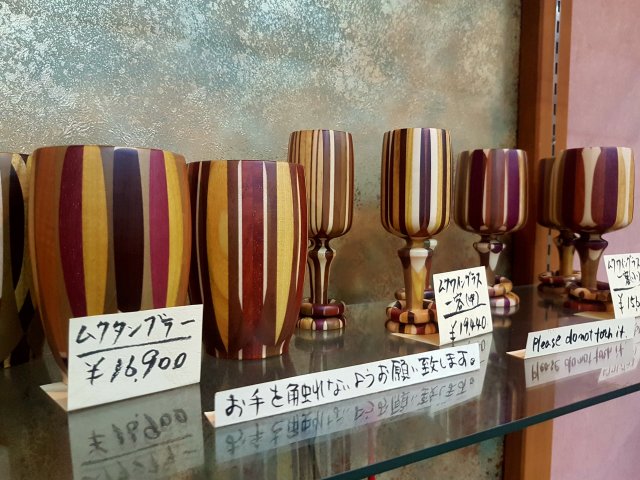
Another walk here, then onto Hakone. Crossing the mountains we left sunny and hit low cloud. This area is known for parquetry… woodworking to create beautiful multi coloured wooden items, including puzzle boxes.

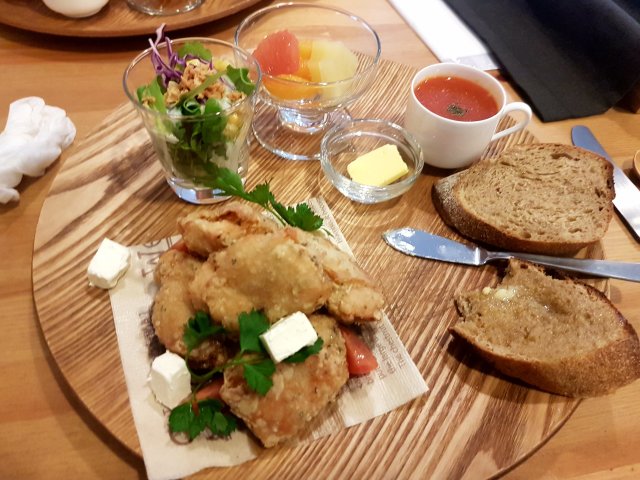
Supper was in a tiny cafe which served a local version of KFC called Karaage!! Delicious chicken marinaded in soy and herbs, crumbed, cooked, then served with cream cheese, salad and soup! Delicious.

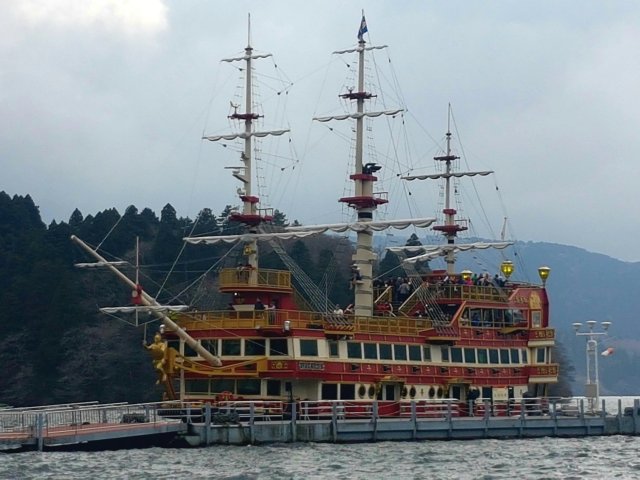
The ferry boats on the lake were rather ornate!

Our night was spent up in the clouds, literally. The Hakone michi-no-eki was at quite high altitude and the clouds came down to meet us!

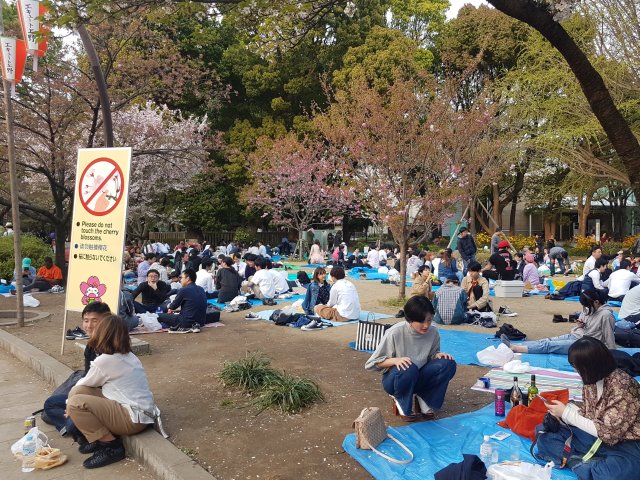
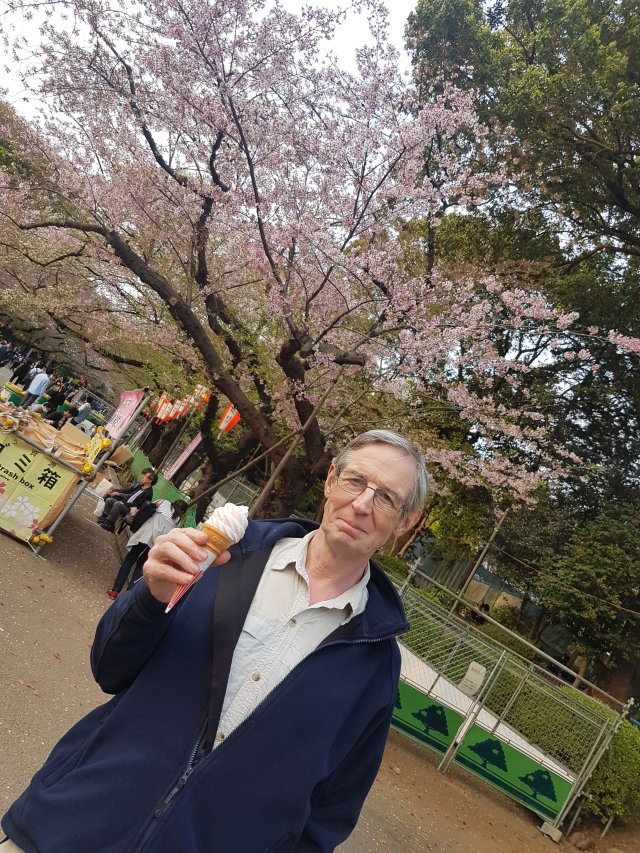
Next morning…sunny. Our last day, and we needed to sort out our bags, clean and tidy the van, and do a 3 hour drive to return it. We had hit on a cunning plan. We almost passed our airport – Haneda – so we dropped off all our luggage in lockers there, before returning the camper to its base… the opposite side of Tokyo! Then we took the train, with just 1 bag to carry instead of 4… we decided to bring our lovely duvet home! Lightly laden, we were able to stop in central Tokyo, at Ueno park, which we had only seen in the pouring rain! What a difference! The cherry blossom was coming out, and the park was packed with pip up food stalls, and thousands of people picnicking under the cherry trees.

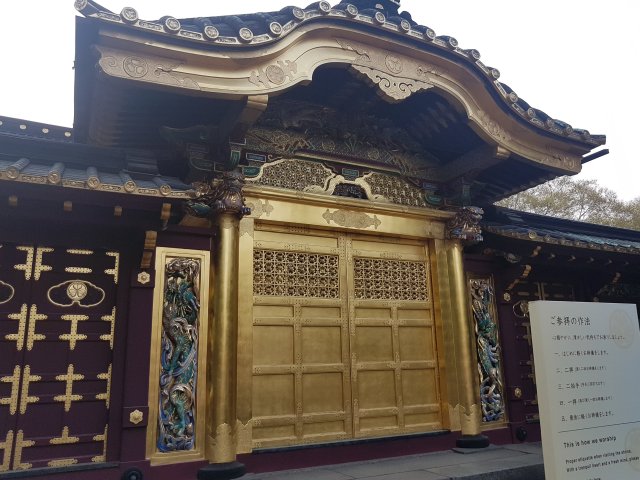
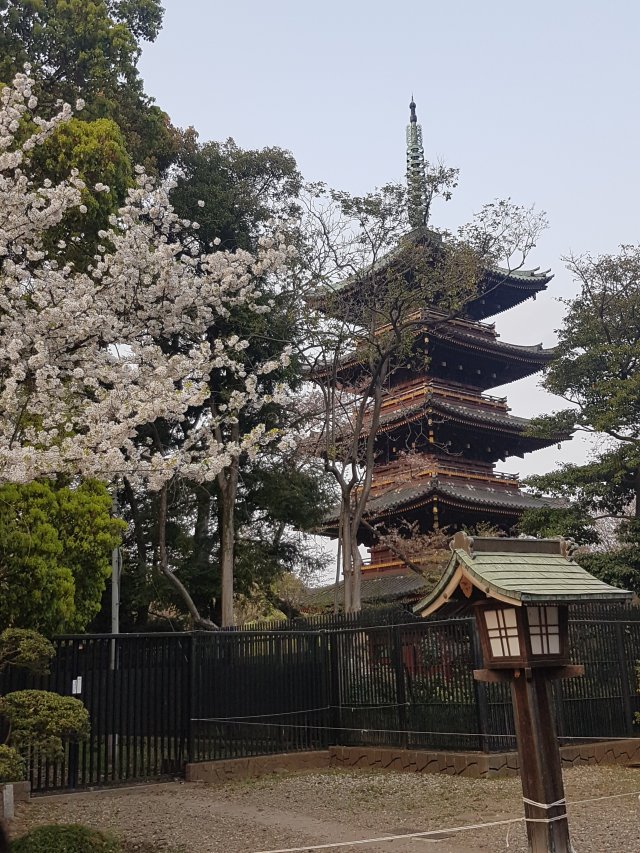
We indulged in Cherry blossom ice cream and explored the park, finding shrines and pagodas.

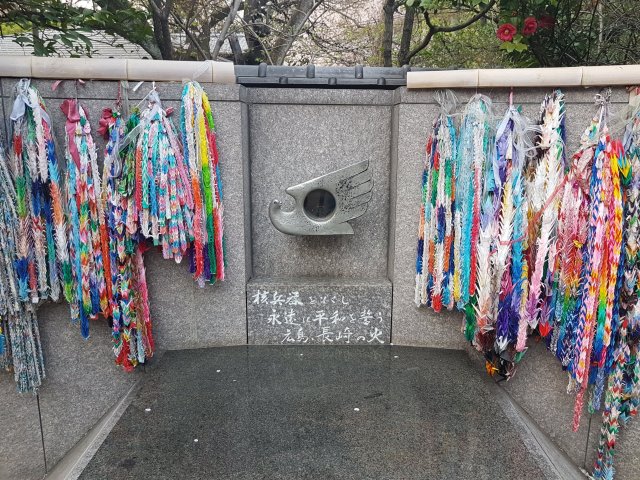
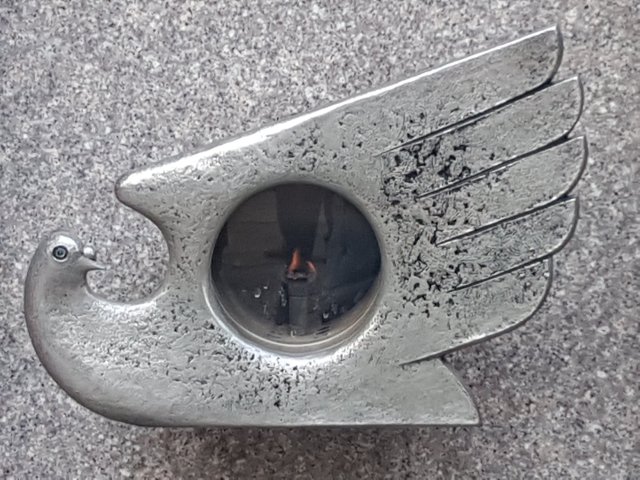
We also had a strange experience. Our one regret was that we had not been able to visit Hiroshima, and see the peace park. It was just too far south. While in Ueno park, we followed a path that initially didn’t look very interesting. Suddenly we were at a shrine, with a stone dove, enclosing a flame. I will let you read the inscription.

The Origin of the ‘Flame of Hiroshima and Nagasaki’

On August 6, 1945, US forces dropped the world’s first atomic bomb on Hiroshima, and another on Nagasaki on August 9 the same year, claiming the lives of hundreds of thousands of people in an instant. Even now, many survivors are still suffering from the damage.

Sometime later, Tatsuo Yamamoto went to Hiroshima in search of his uncle, and found a flame of the atomic bomb burning in the ruins of his uncle’s house. He brought it back to Hoshino-mura, his hometown in Fukuoka prefecture. He kept it burning in his house as a memento of his uncle and an expression of his resentment. But years went by, the meaning of the flame turned into a symbol of his desire for abolition of nuclear weapons and for peace. Hosino-mura village build a torch and transferred the flame to it on August 6, 1968. It has been keeping the flame ever since as the flame for peace, with the support of the villagers.

In 1990 it lit the flame here in this memorial and is kept burning.

We were very moved by this.

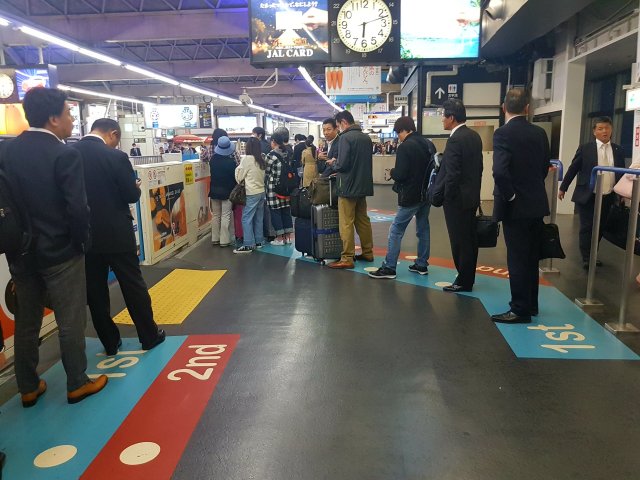
Leaving the park we caught the train and monorail to the airport. The queuing system was well organised!!

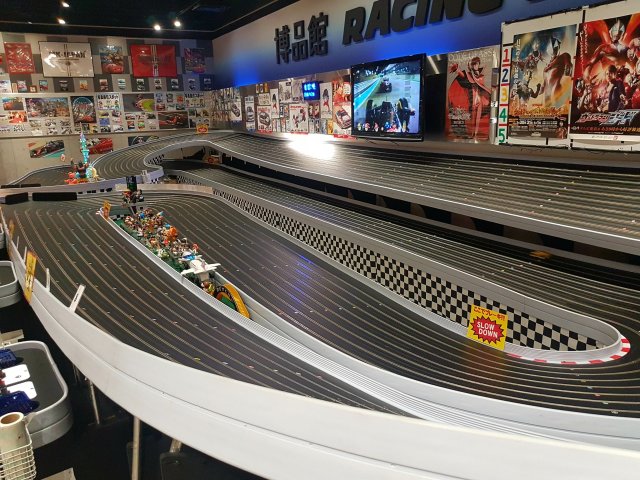
The airport had some interesting shops, and a cool zone with a giant scalectrix racetrack. So Chris and I played…and I won!

All the Mariokart training was worth it!! We found a great restaurant for our last meal in Japan. Turned out it was a Korean Bbq restaurant, which is ironic, because it was better than any meal we had in S Korea, except for the one in the Japanese restaurant!

Emirates don’t have a lounge here, so we could use the Japan Air one until our midnight flight. We were glad we had eaten, as the food choice was poor, but we took advantage of the showers! Shame they don’t have washing machines too! Now for our longest flight.. 11 hours to Dubai. Night night!
Post 25 Captivating Kyoto

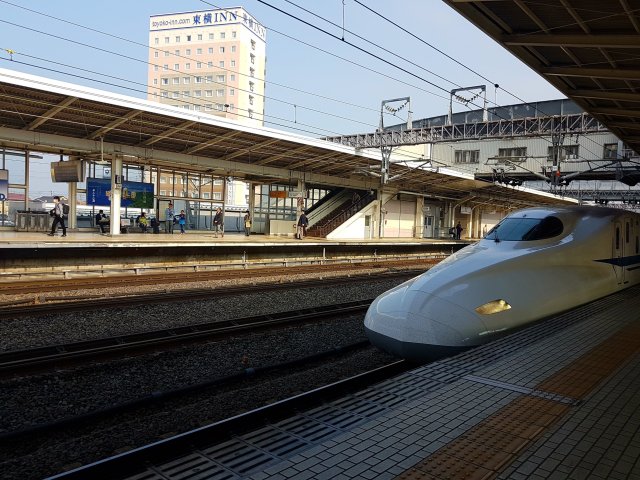
Kyoto is a huge city…definitely not ideal for a camper, so we came in by train… the bullet train. A journey that takes 65 minutes using the local train, took 18! It was fast! And smooth.
We planned 2 days in Kyoto, and wanted to see as much as we could using public transport and our feet. We used 3 self guided walking tours which took us to hidden paths we would have missed. Kyoto was the imperial capital of Japan for over 1000 years, so not surprisingly there are many temples, shrines, castles etc. but they are quite far apart. This would be a challenge! Poor Chris! I get an adrenaline charge in busy cities… whereas I think after a while he would rather be in a field birdwatching!
The one or two day bus and subway passes are good value, but we also used the JR trains which were quick and comfortable.

Day one.
Exiting the station, the bus queues were huge, but efficient marshalling, and some squashing, meant we were soon on our way to stop one. From here we would walk through parks, and some of the oldest streets in Kyoto, still with wooden frames and paper screens.

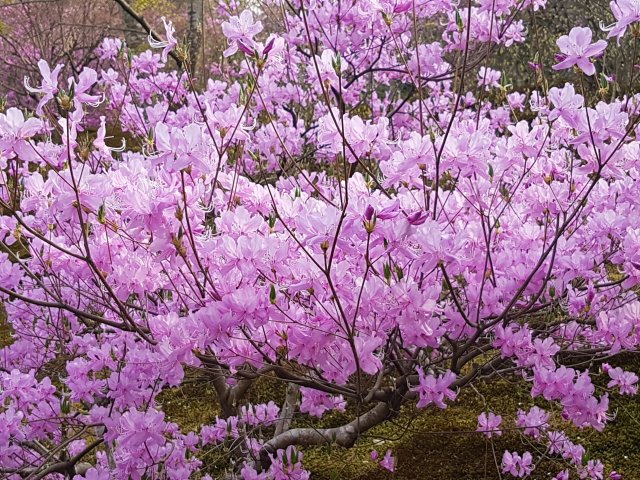
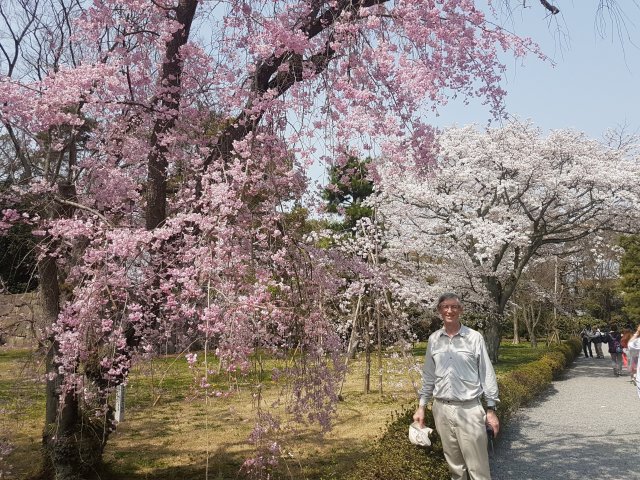
The biggest treats were that it was warm and sunny, and the cherry blossom had erupted almost overnight. Glorious, but it meant everywhere was extra busy!

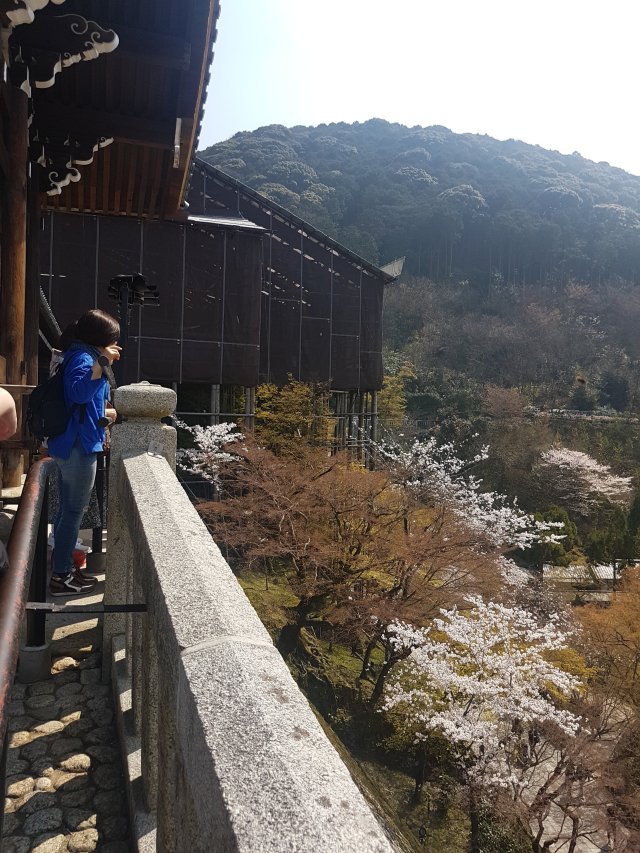
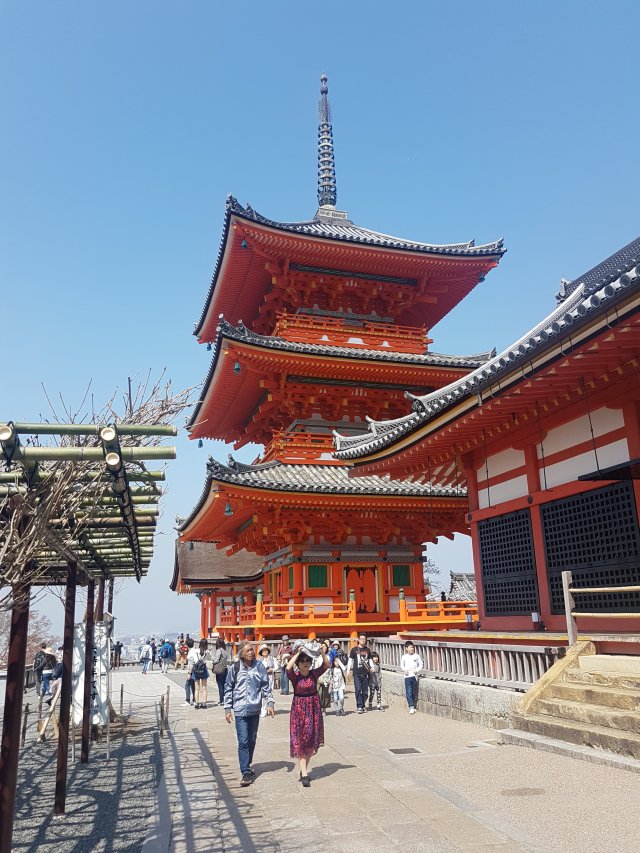
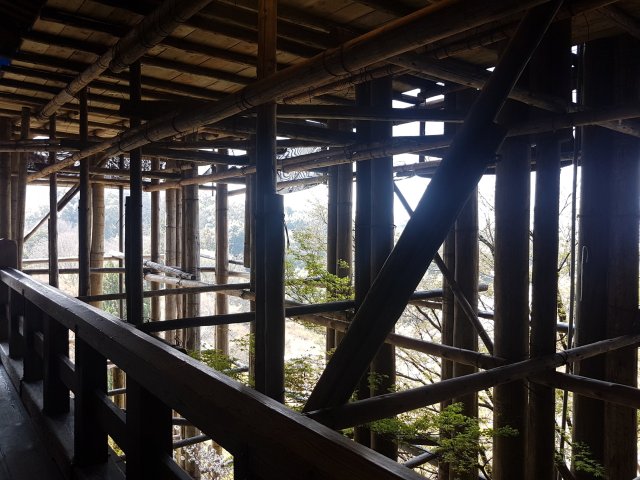
There were small temples everywhere, but we had our main goals. Firstly, overlooking the mountains, the amazing Kiyomizu-dera buddhist temple complex, first built in 763, but this renovation was from 1633. The colours were gorgeous, and the highlight is a huge temple, with a veranda hanging out over the side of the mountain.

Some renovation was in progress… we loved the bamboo scaffolding!

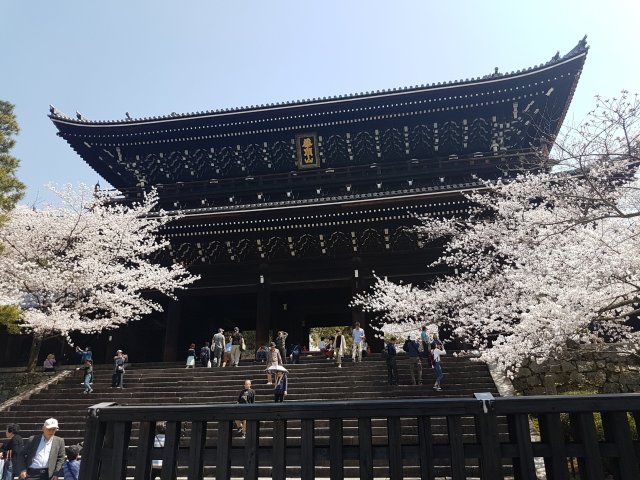
Then onto the impressive Chion-in temple complex with the largest gateway in Japan! The timbers were an incredible size.

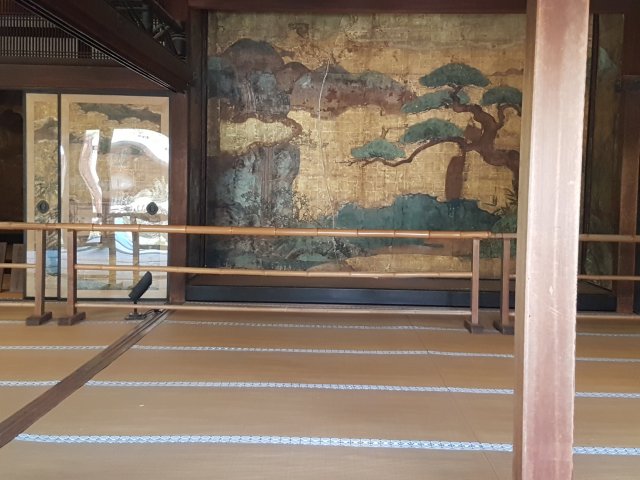
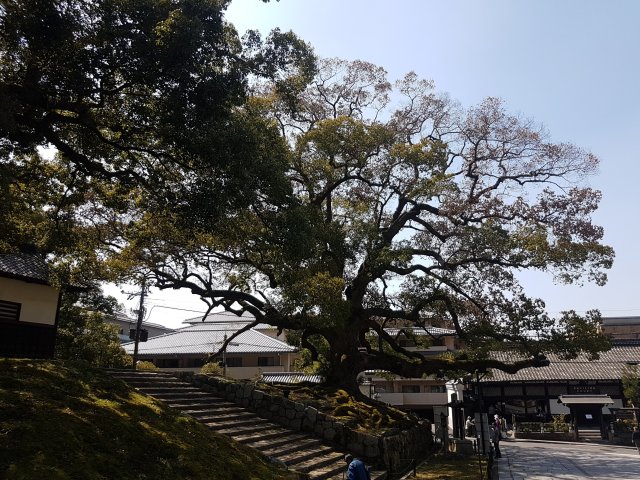
Next to the lovely Shoren-in temple, with giant, ancient camphor trees guarding it’s entrance. The main hall had beautiful sliding screens with 16th and 17th century paintings.

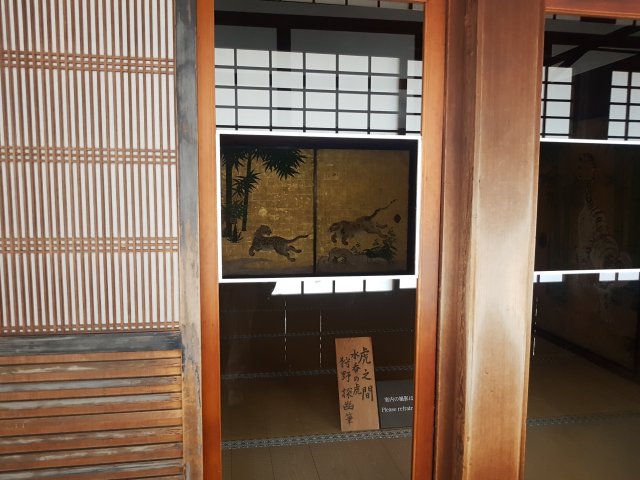
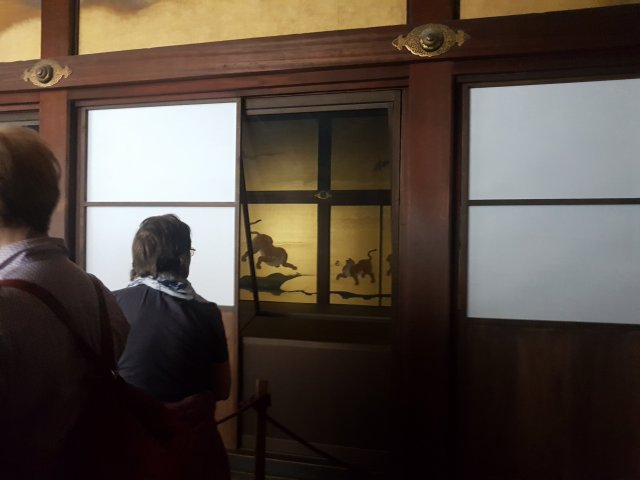
Next a side step to Nanzenji Zen Temple, rebuilt 1570-1600. This was a lovely oasis with a pretty, zen garden, and gorgeous tiger screen paintings in the Hojo hall.

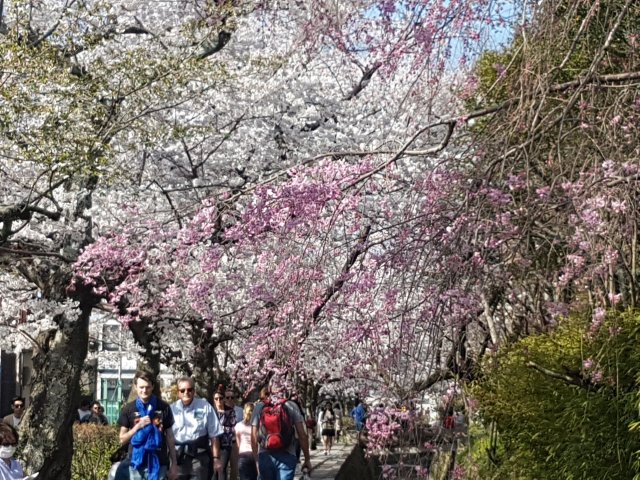
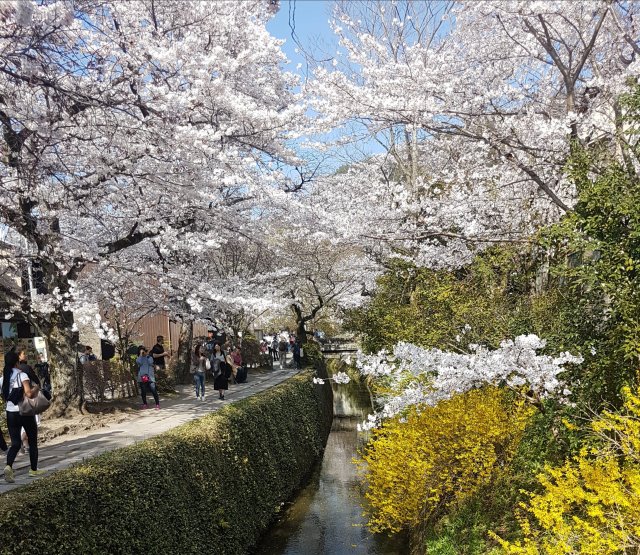
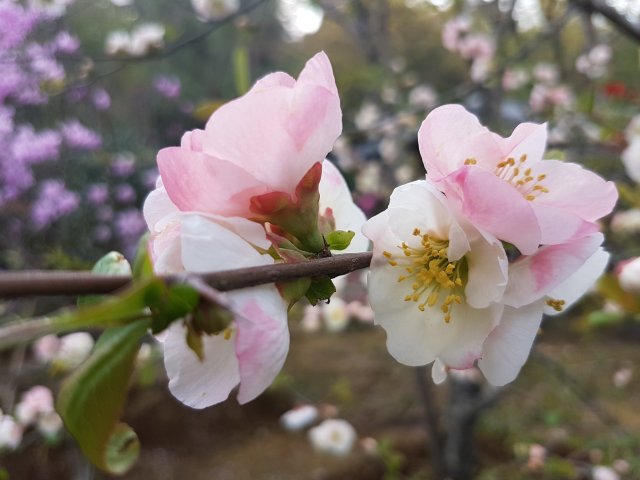
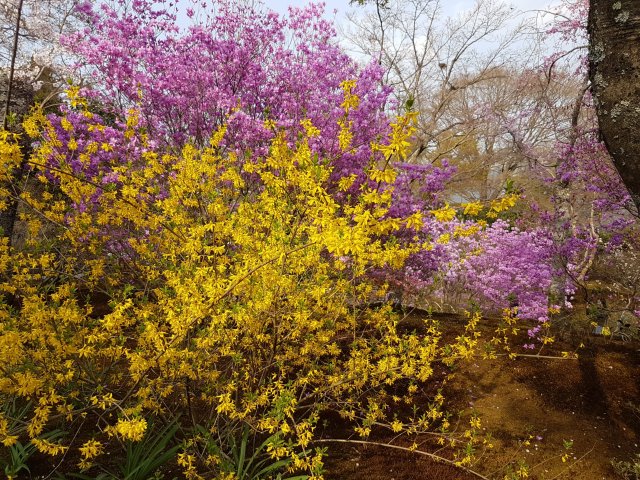
Now a walk along the 2 km Philosophers path, alongside a canal and lined with cherry blossom and spring shrubs. Gorgeous.

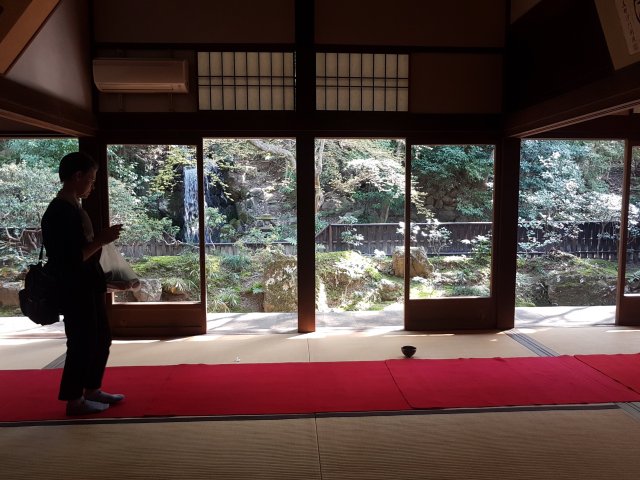
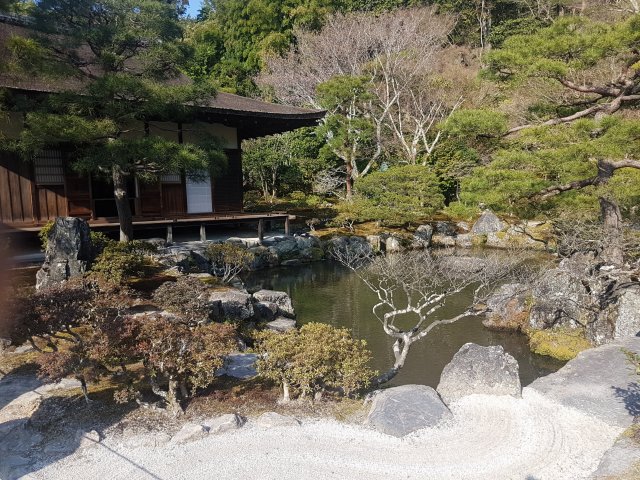
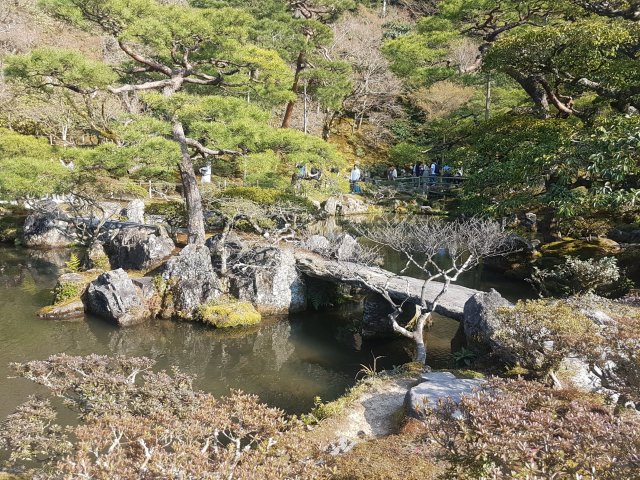
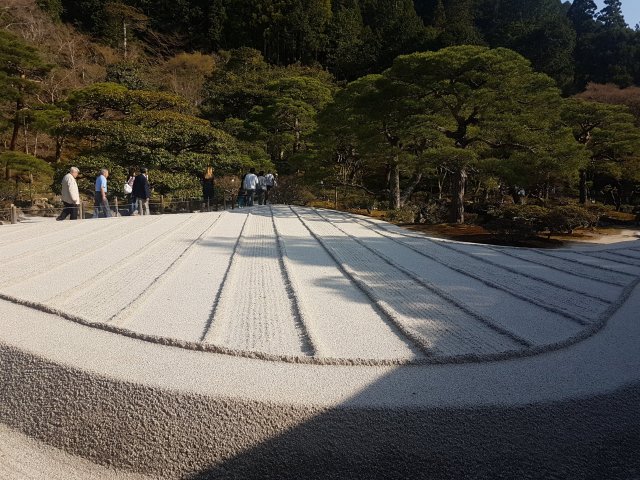
At the top of the hill, (every temple seemed to be at the top of hills …we will have climbed Everest by the end of this trip!), our final stop at Ginkakuji Zen Temple and dwelling house. High above the city, the garden winds it’s way up the hillside. We love the way the rooms are divided with sliding panels so they can be reconfigured in so many shapes and sizes. The 17th century screen paintings were beautiful but we couldn’t photograph them.

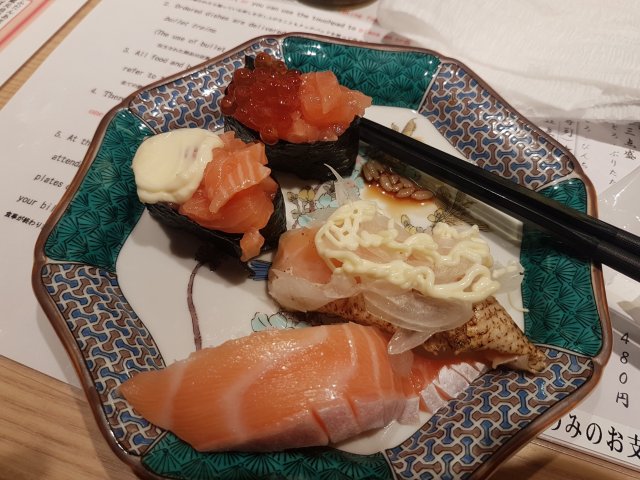
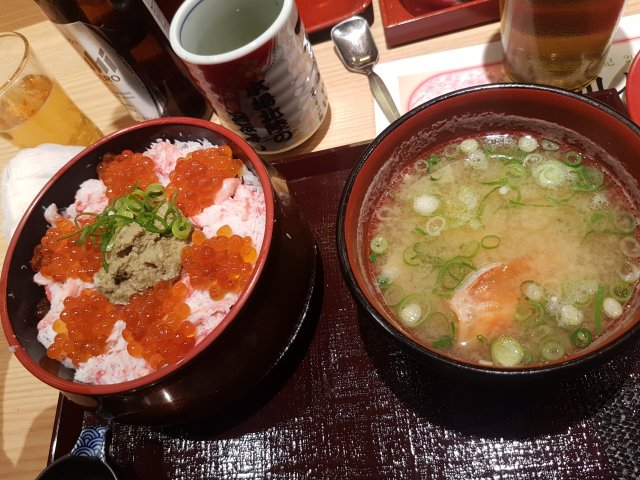
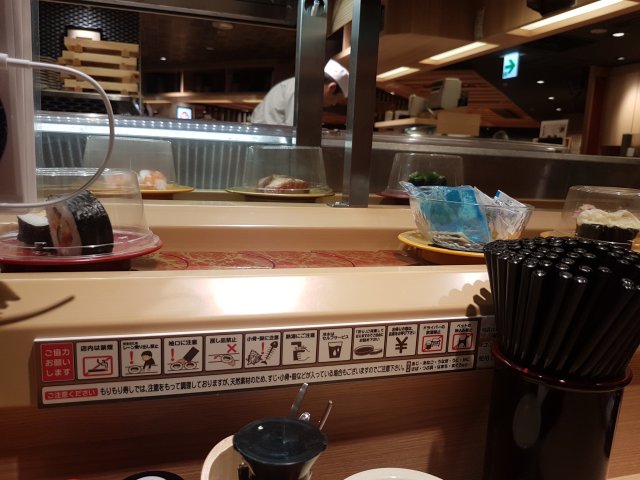
Onto a very busy bus to the town centre to find food! A recommended restaurant serving acclaimed Kobe beef wanted over £100 for a steak! Er… no thank you! So we found a great sushi restaurant with conveyer belt!

Then train back to our little camper before we do it all again tomorrow!

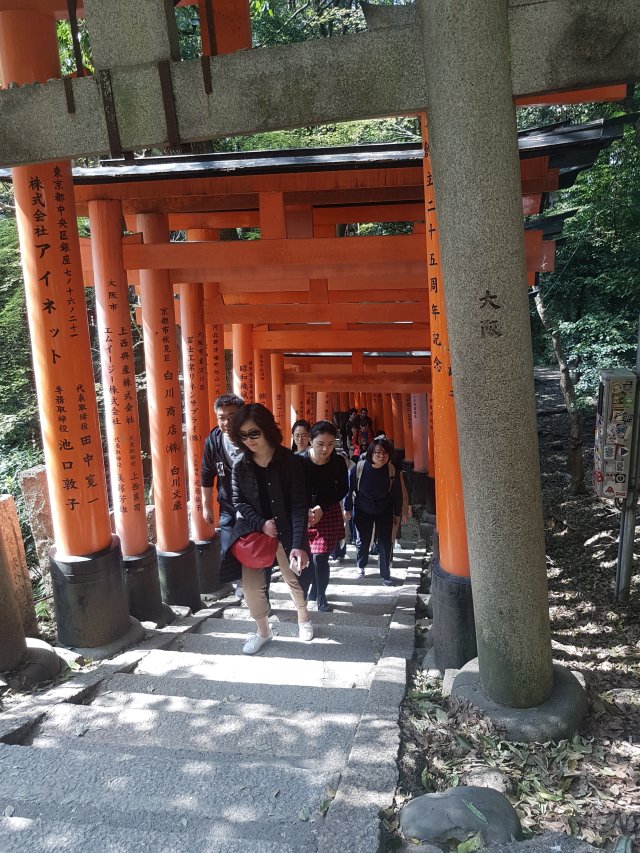
Day two, earlier start to try to beat the crowds. We were at our first shrine – Fushimi Inari Taisha – by 8.45. It was still busy!

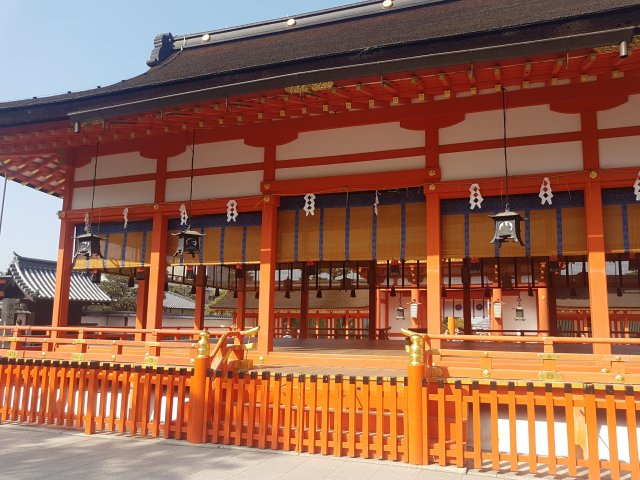
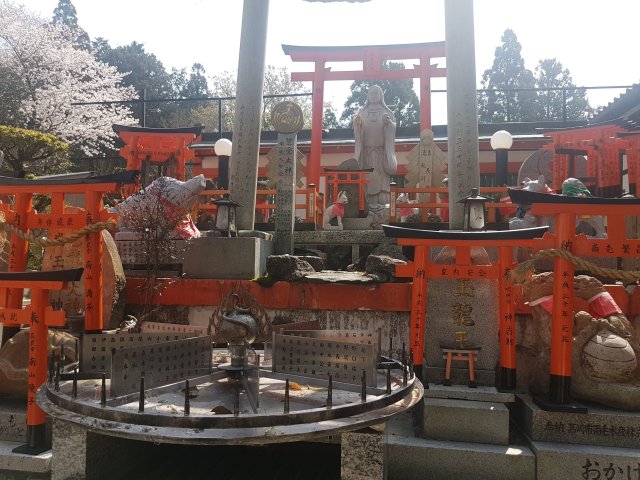
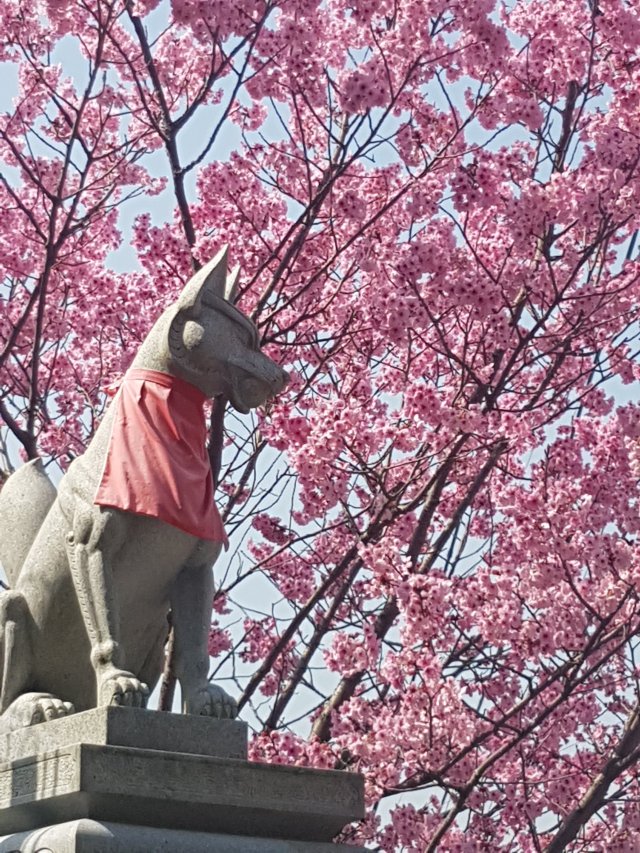
This is a special place at the foot of Mt Inari. It has been a shrine to the guardian god of abundant rice crops and good business since 711. The shrine buildings are vermillion, the colour of our life force, and which can counteract spells. There are many statues of foxes, guardians of the rice harvest. Since ancient times, worshippers have built shrines up the mountain, and added Torils – huge red gates, so that now the Toril walkway stretches over a mile up the mountain… so up we went. Every one is inscribed with it’s donor and their wishes or thanksgiving message. It was quite moving to witness such belief.

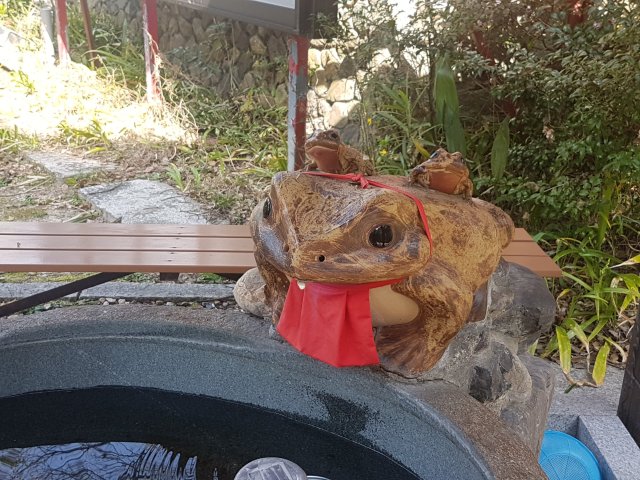
Next, we found a tiny shrine to the frog spirit,

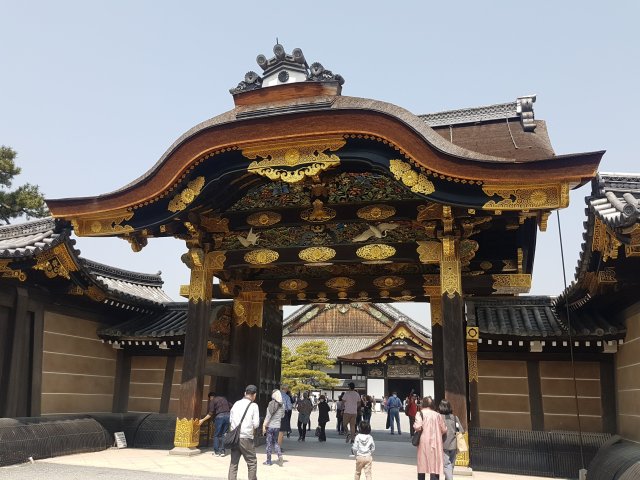
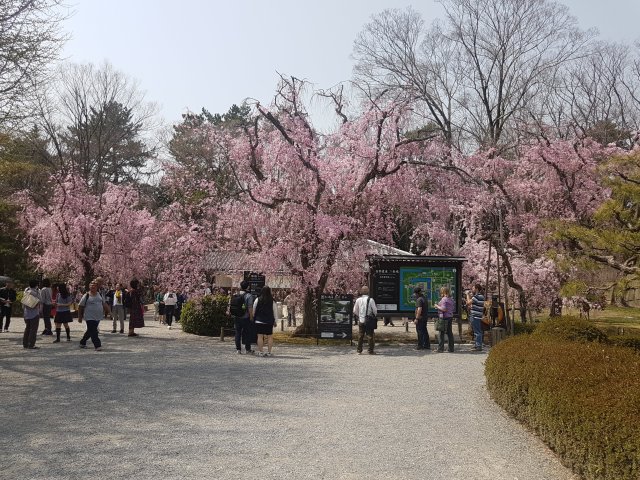
and then headed to the wonderful Nijo-jo castle, built in 1603 by the Shogun leader who unified Japan. It was also the place where the Shogun returned Japan to Imperial rule in 1867.

It was full of paintings, and special wooden Nightingale floors.. the nails squeak like birds singing when you walk. It is said that this was so that no-one could creep up on the Shogun unnoticed!

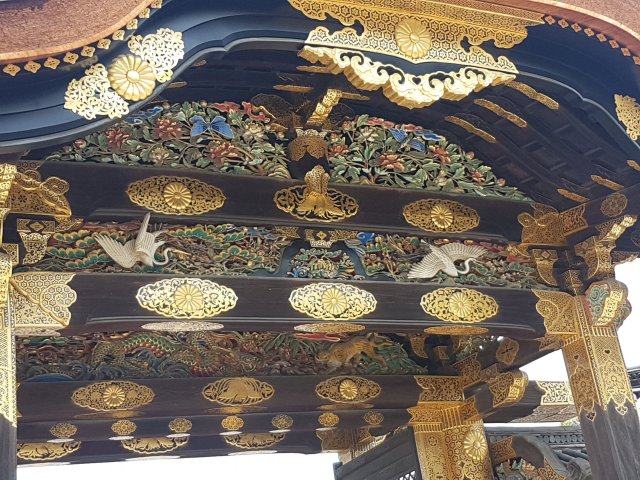
The ceilings were ornate.. themore decorative your ceiling, the higher your status!

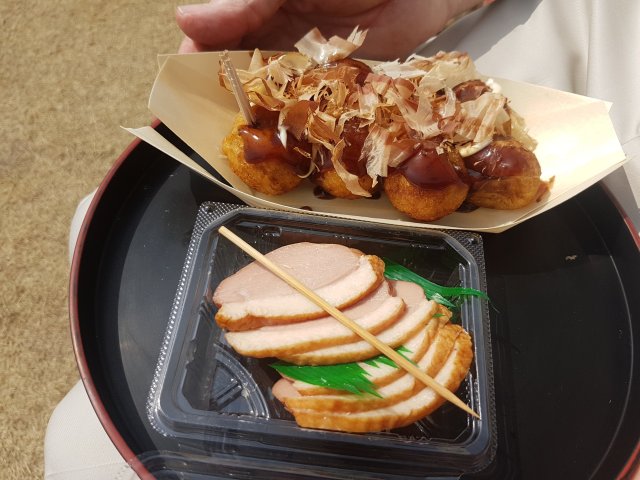
The gardens were lovely and we had some great street food here – duck slices and Octopus balls!

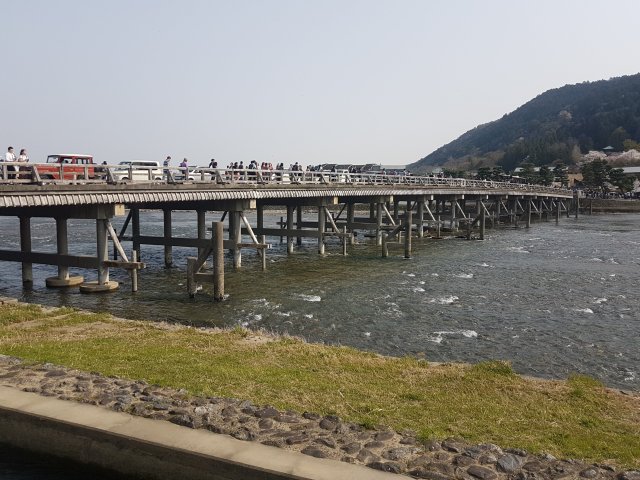
Finally, a train to Arashiyama to see the impressive wooden bridge,

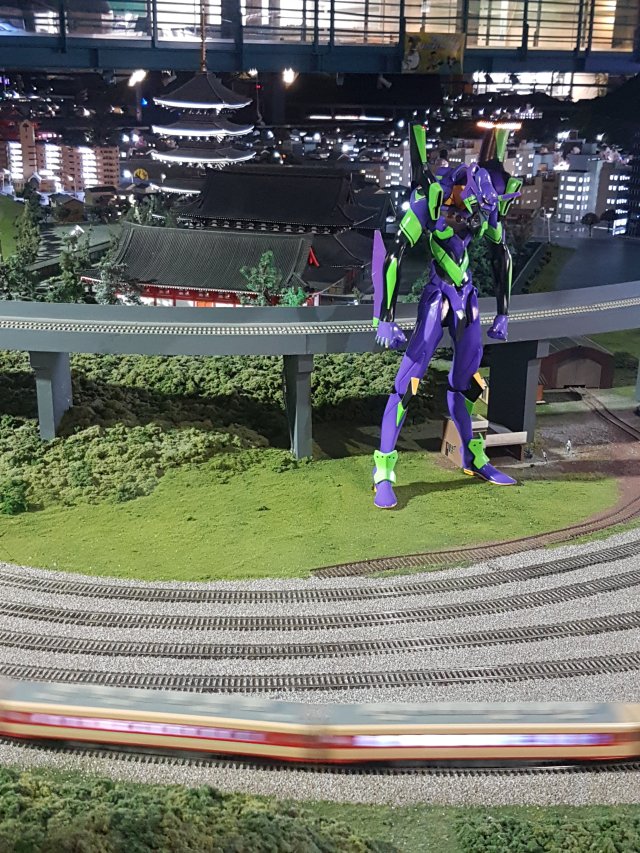
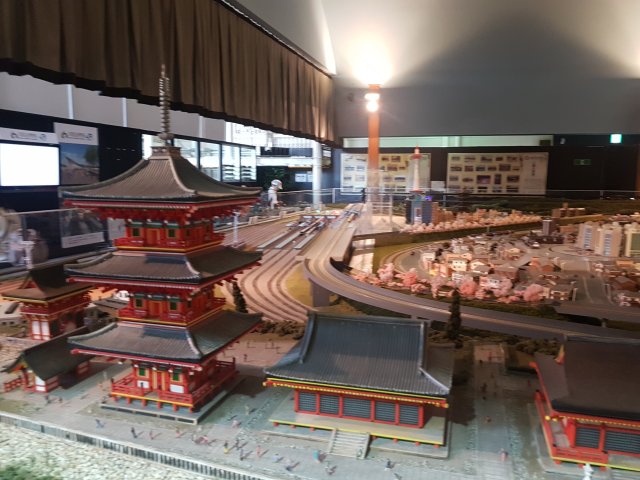
and the Tenryu-ji temple. We hardly left the train station when I foolishly pointed out a poster for a model railway exhibition! Quick diversion to see a very good layout of Kyoto, complete with bullet train… with one slightly bizarre addition!

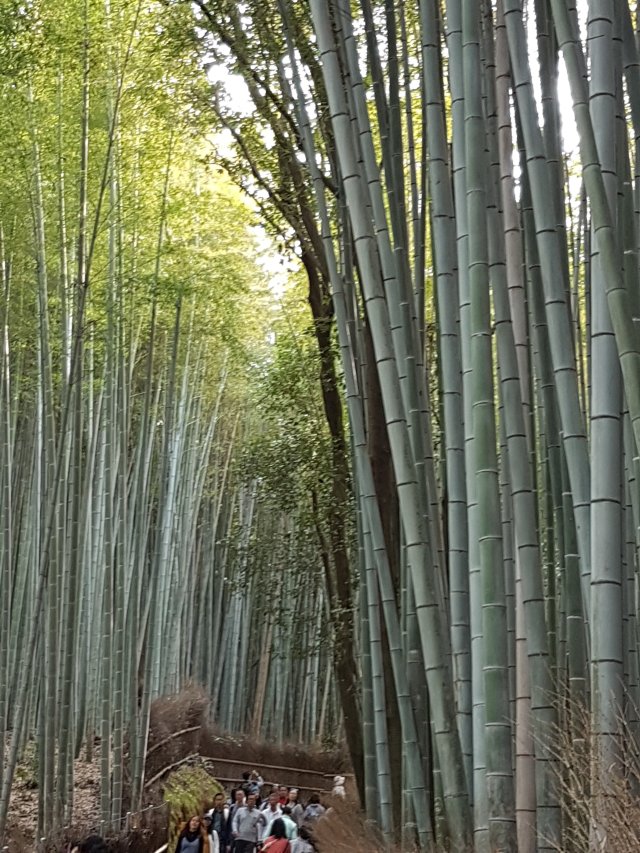
Back on track, the Tenryuji temple is most famous for it’s garden, one of the oldest in Japan, laid out in the 14th century and little altered. It was gorgeous. The exit leads into an amazing bamboo forest, on an epic scale.

Finally, train back to Mairaba to collect the car. We needed to eat. Tripadvisor showed a cafe, so we headed down a dark street without much hope. Suddenly there it was. A small, very local restaurant! No English. They came and said ‘Sashimi tempura’. We nodded, unsure of what it would be like. It arrived, beautifully presented, tasted delicious and cost less than £10 each including tea and water… and an ice cream at the end. A perfect end to a great day!

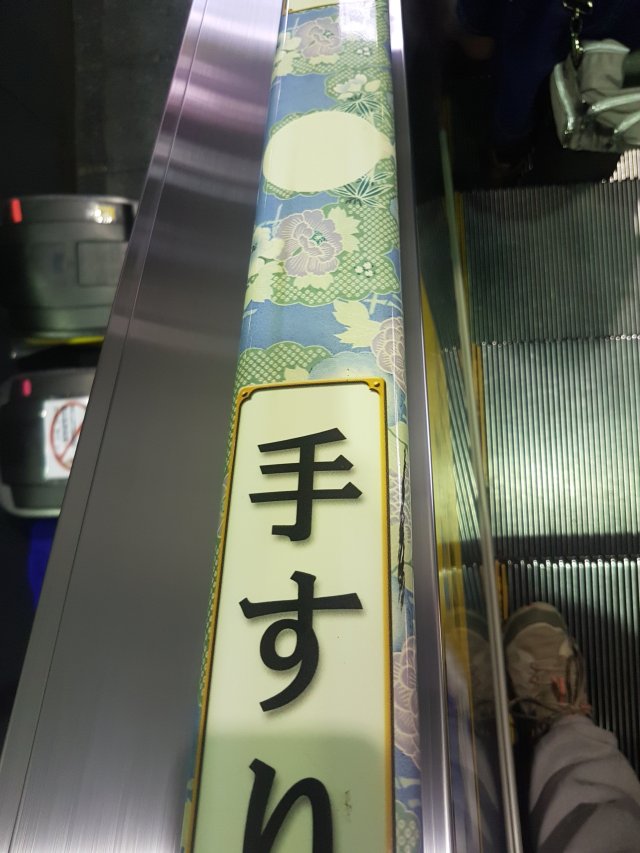
PS ..you have to love a city that has cherry blossom handrails on it’s escalators!

.